BusinessTechnology leadership
Banetti

Banetti hired me as a web developer in 2008. The job grew one responsibility at a time: a report, a training need, a server, then another piece of company technology that needed someone to look after it. Eventually the sum of those things was technology leadership.
Before Banetti
I arrived with an odd mix of experience: school networks and an early web design firm in Farmington, a stretch selling cars in Albuquerque, and finance and insurance software for smaller dealerships at Professional Software Systems. A contracting connection there also pulled me into an early IBM Maximo barcoding project, my first look at the problems of the people responsible for physical equipment.
Then I stepped away to travel and study at San Juan College and New Mexico Tech. Banetti brought me back to software in 2008.
A job that grew by accumulation
The title said web developer. The work soon included reports, training, servers and backend systems, and company email and Google Apps. Each one showed me something else the business depended on every day.
I tried to understand each task, reduce the effort around it, automate what I could and leave it in a state I could keep managing. Then I could take on the next problem without abandoning the previous one.
Over time the work shifted from looking after individual systems to deciding how they should fit together and what the company would need next. Becoming CTO grew out of that continuity.
Reliability as the test
Maximo manages equipment and maintenance. A planner needs reports that help with a decision; an administrator needs training they can use. Those everyday needs guided the reports, training and system changes I worked on.
In 2018 I earned the Certified Reliability Leader credential and became the first CRL exam proctor from outside Reliabilityweb. It put a framework around what Banetti had already been teaching me about how organizations care for their equipment, their people and the processes connecting them.
AI, starting with a food truck
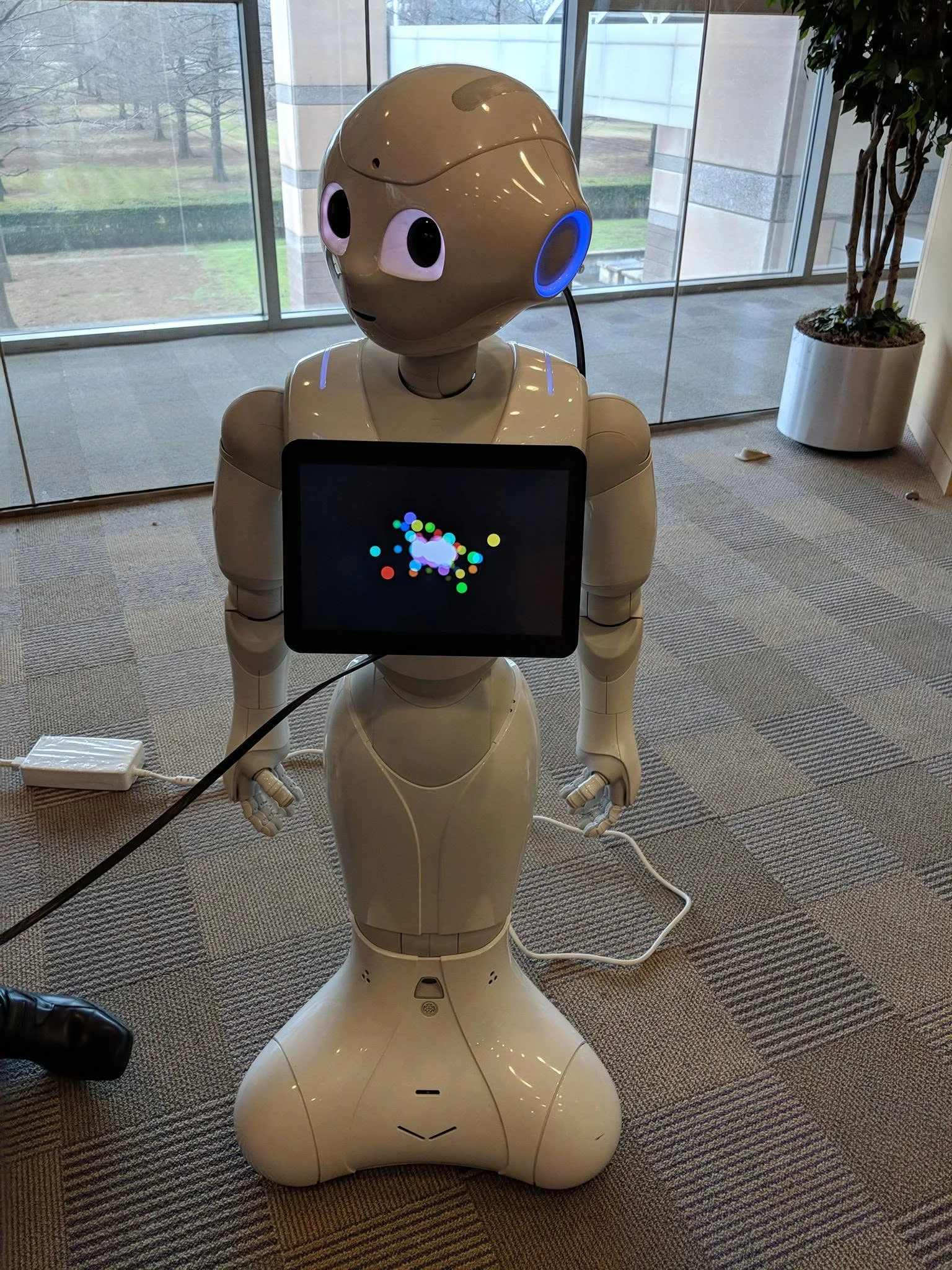
IBM's Watson food truck at a conference stuck with me. It used AI to come up with unexpected recipes, which made the possibilities easy to grasp. In February 2018 I visited IBM in Austin, spent some time with Pepper, the humanoid robot, and posted a photograph.
AI became a much larger focus for me around 2020, and by around 2022 I was deeply involved with generative tools. I used them for research, writing and customer discovery, then experimented with early agents as those tools appeared. Bringing AI into Maximo and reliability work is now part of my role as Head of AI.
The sabbatical, and now
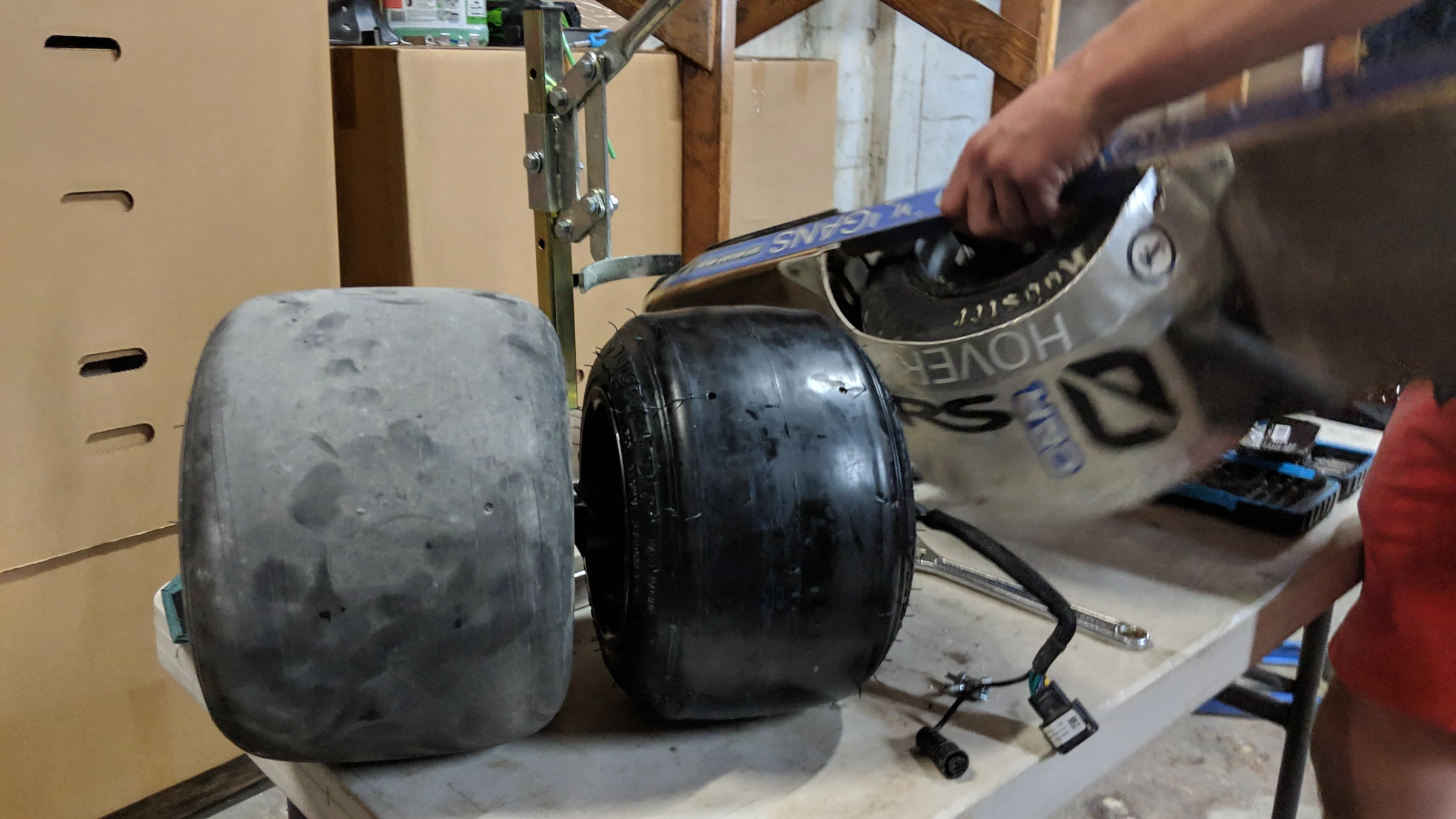
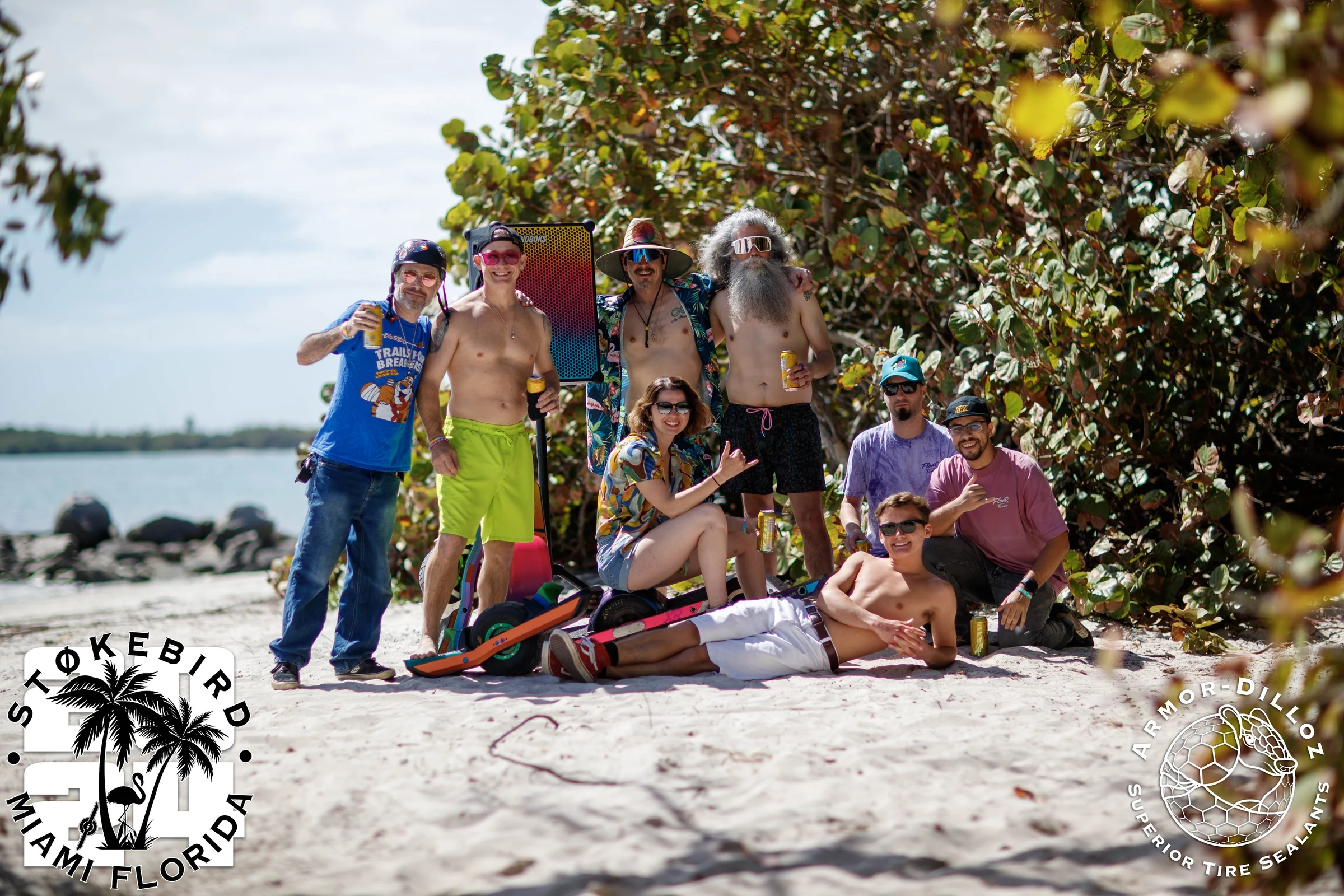
When Armor-Dilloz took most of my attention, I took a sabbatical from my usual balance of Banetti work. I stayed involved and available to help throughout while I concentrated on the product business.
Two current projects show where the Maximo and AI work meet. Dr. Maximo answers asset-management questions, and Banetti Data Cleaner tidies messy records without stripping away what they mean. Both grew out of years of reports, training and company systems where the context matters as much as the data.
Day to day, I keep the existing systems dependable, decide what the company needs next and look for places where a newer tool makes a practical difference.
I lead AI development and company technology, with work spanning software, reports, training, servers and automation.