DevelopmentData tools

Banetti Data Cleaner
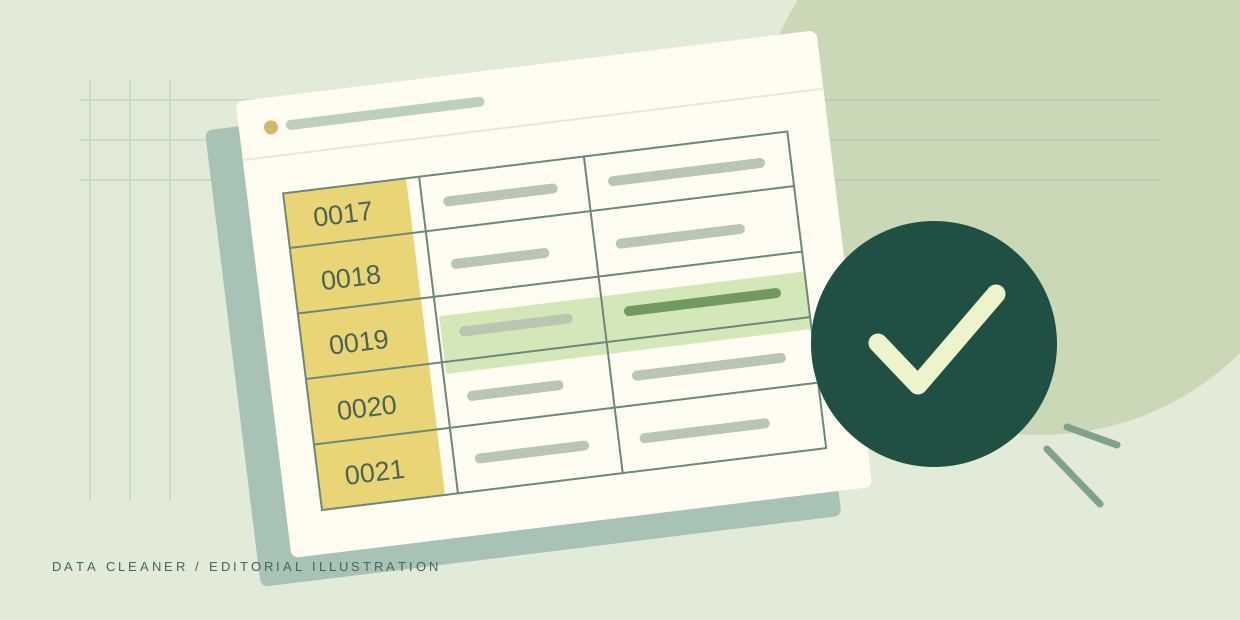
Illustration of a paper data grid with a highlighted identifier column and a large check mark.
A checked data sheet, with the original identifiers kept intact. Illustration.

An equipment identifier reads 0451. A spreadsheet decides it's a number and drops the zero, and 451 may no longer match the equipment record. The file looks tidier and is now wrong. Banetti Data Cleaner grew out of Maximo-related workbooks where descriptions, dates, quantities and identifiers share the same sheet, and where some inconsistencies need fixing while others carry meaning.

Agree on the columns first

The application reads the full spreadsheet or text file and proposes how to treat each field before touching the contents. The person who knows the file reviews that proposal, with a chance to catch an abbreviated heading or a column the software has misunderstood.

Identifiers get particular care. A string of digits may be the name of a part, with no business being added up. A blank may mean nobody has supplied the information yet, and a tool shouldn't fill it with a guess. The reviewer doesn't have to inspect every cell to get started, but they do settle what the important fields mean and what must stay as it is.

The model proposes, the application checks

A locally running model suggests improvements, and the application checks each suggestion before accepting it. The grid updates as the work moves through the file, with before-and-after examples available to inspect.

Rejected suggestions are recorded next to accepted changes, so the reviewer can see where cleanup stopped short. The application and the model both run locally, so the business file isn't sent to another AI service during the process.

What goes out with the file

The download contains the cleaned data, a change record and a quality report, in familiar spreadsheet formats. Whoever receives it can see what changed, what still needs review and why a particular value was left alone.

Cory BoehneLet's talk
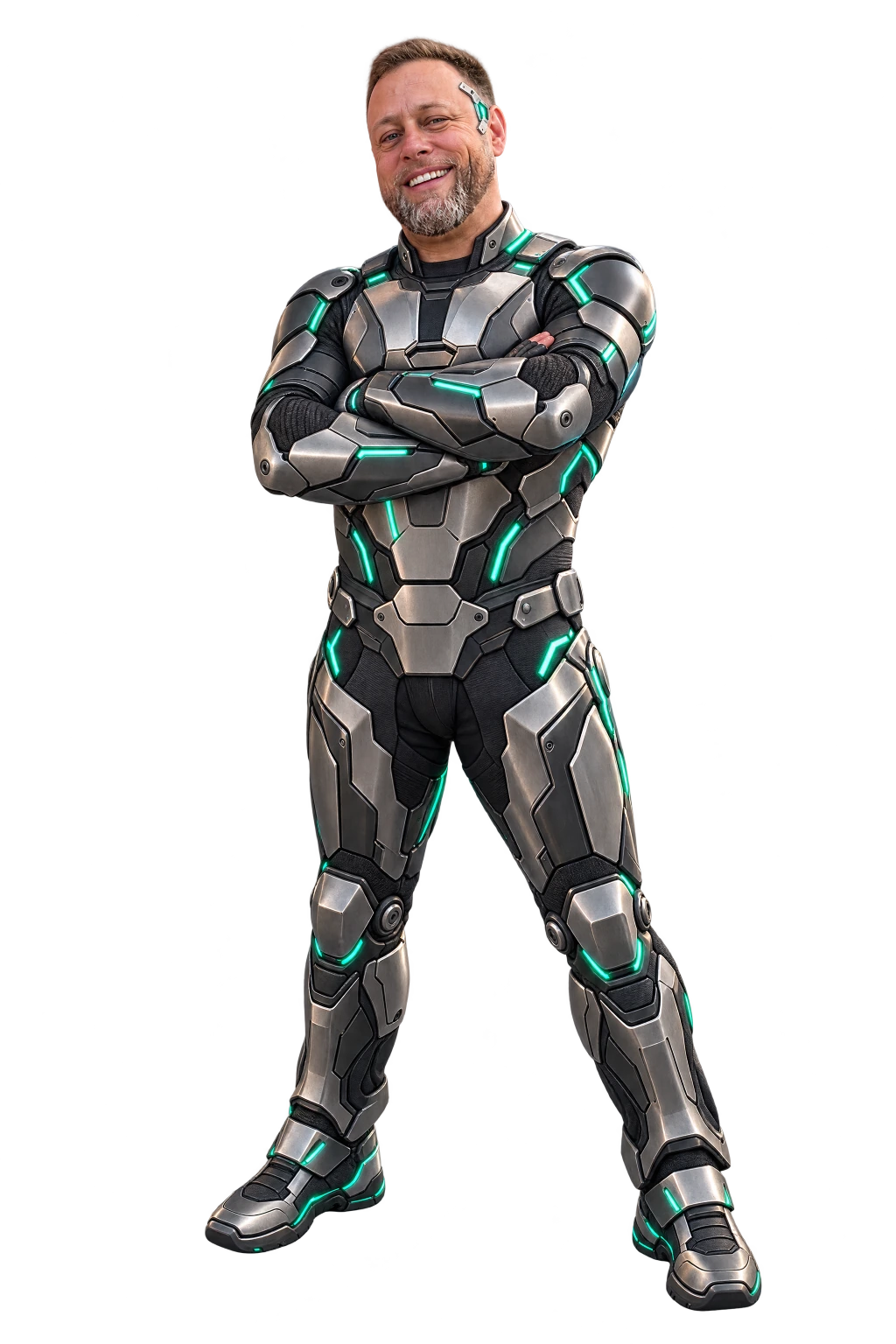
Creative full-body development portrait of Cory Boehne
03SOFTWARE CASE STUDIES

Software I've built
and how it works.

I've built tools for maintenance teams and company finances, applications that run on local models, image and story software, and games with a little AI in the cast. The problems range from a missing zero in a spreadsheet to a suspect who mustn't reveal the answer.

Building software since the late nineties.

Business tools, games and image software.

Three places
to start.

A Maximo assistant that has to know which release you run. An arcade where one local model plays a different part in every game. An image tool I built while making the portraits on this site.

Dr. Maximo brand character holding a tablet.
AI and reliability

Dr. Maximo

A web application for Maximo and reliability questions that shows its sources, keeps track of the release and reads approved system data without changing it.

Inside Dr. Maximo
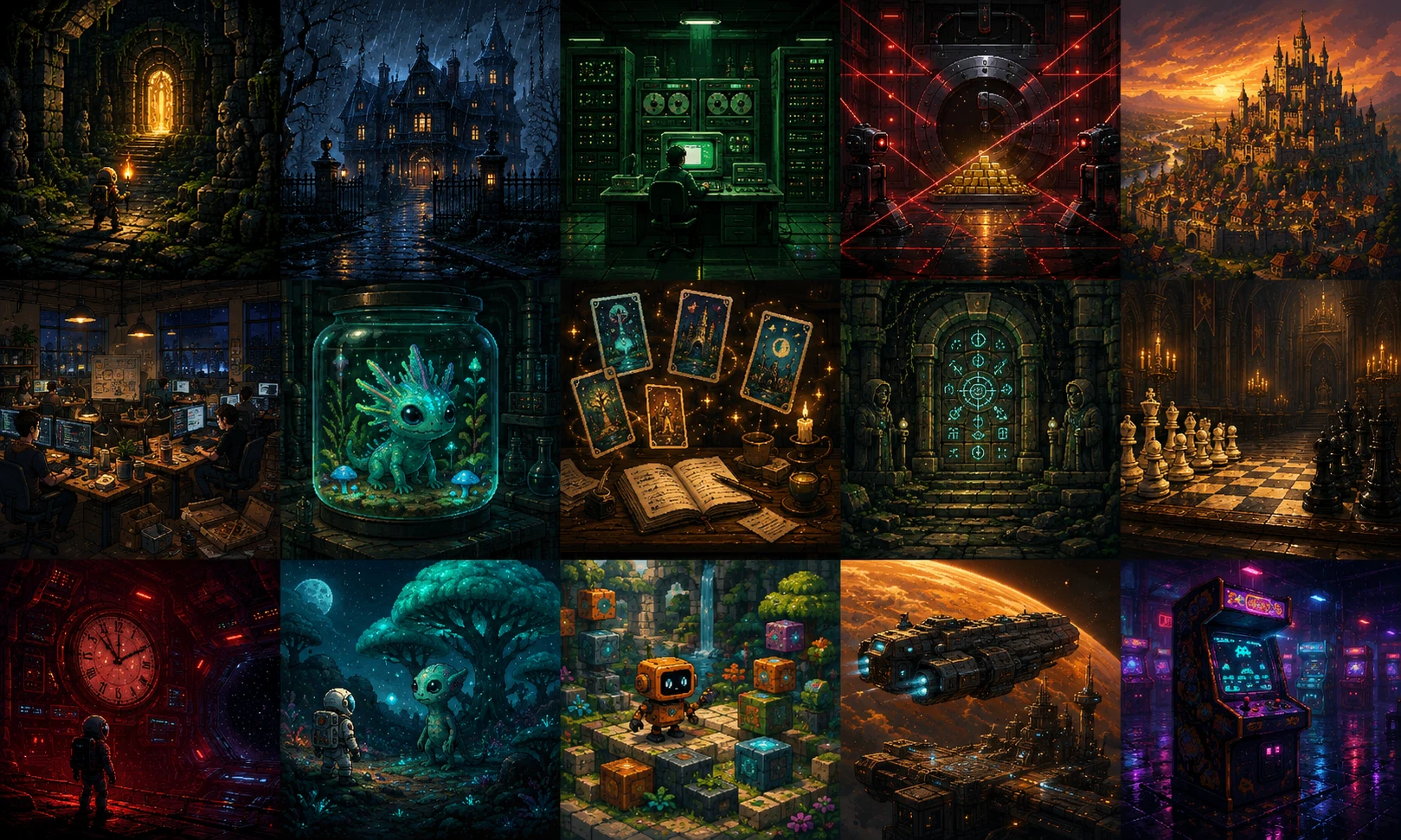
Fifteen illustrated game worlds from Tiny AI Arcade.
Interactive experiments

Tiny AI Arcade

Small games and practical tools where the rules stay in charge and the model plays a defined part: suspect, narrator or hint-giver.

Enter the arcade
Personal portrait of Cory, created in Image StudioAI portrait of Cory, created in Image StudioRiding portrait of Cory, created in Image Studio
Creative software

Image Studio

A private image application for keeping one person recognizable across many scenes, with reference roles, saved recipes, masked edits and transparent output.

Inside Image Studio
The Story Scrolls
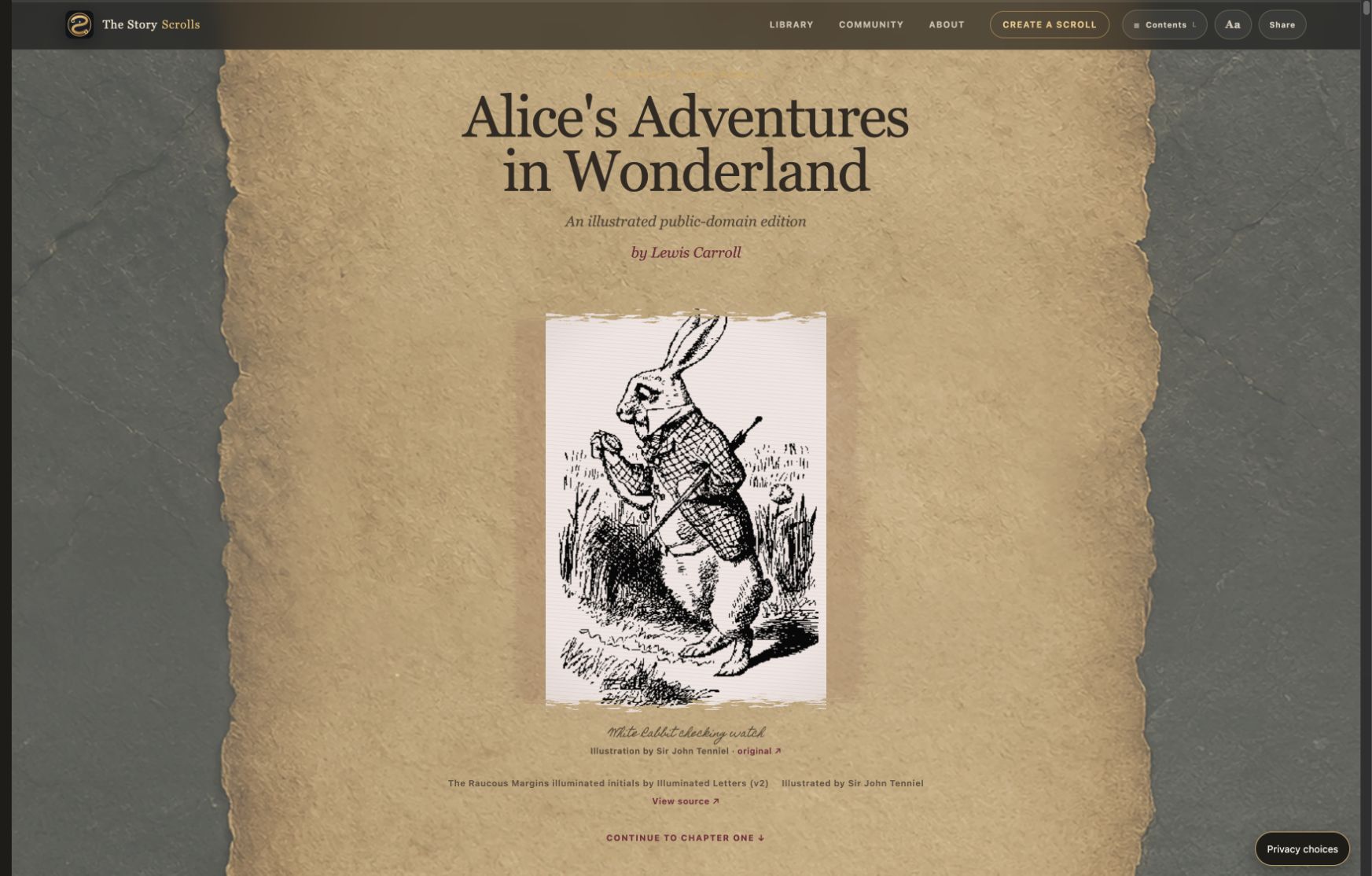
Alice’s Adventures in Wonderland in Story Scrolls, with John Tenniel’s original illustrations.
Creative software

An illustrated library with room to make your own.

An illustrated public-domain library, several ways to read and a guided workshop for writing and illustrating a story of your own.

Open The Story Scrolls
  1. Dealerships

    Selling cars showed me what finance and sales software had to do.

  2. Professional Software Systems

    Finance and insurance software for smaller dealerships.

  3. IBM Maximo

    Asset-management work, starting with barcoding software.

Before the current tools

Dealership software led me to Maximo.

I was building, selling and repairing computers by my mid-teens, and did early web work after that. Then came a stretch as an electronics supervisor at OfficeMax and several years selling cars at Casa Chevrolet in Albuquerque.

The car lot turned out to be good preparation. At Professional Software Systems, I built finance and insurance software for smaller dealerships, including buy-here-pay-here loan handling and sales tools. One of those tools compared amortization scenarios to show when a different use of a customer's money could benefit both the buyer and the dealership. I had worked the sales floor, so I knew what those screens needed to show.

The oddest problem involved driver's license numbers. Some states built their identifiers with Soundex patterns, and each state had its own variations. Inside the dealership workflow, we reverse-engineered those patterns and worked through the exception rules one state at a time.

A contracting connection then brought me into IBM Maximo, writing barcoding software. After that I left the industry for a while to travel and study, starting at San Juan College around 2005 and moving on to New Mexico Tech. Banetti brought me back to software.

How that experience grew into technology leadership

All the software stories.

Explore the applications, experiments and server work, including the private prototypes and the decisions that shaped them.

11 entries
Related work

The design, the businesses
and the skills behind the builds.

There's more to a project than its software: the identity it needs, the business it serves and the people who have to use it.

Build something

What needs
building?

Tell me what the software needs to do, what data it touches and where the current process breaks down. I'm glad to work through the details with you.

Tell me what needs building