DevelopmentCreative software

The Story Scrolls
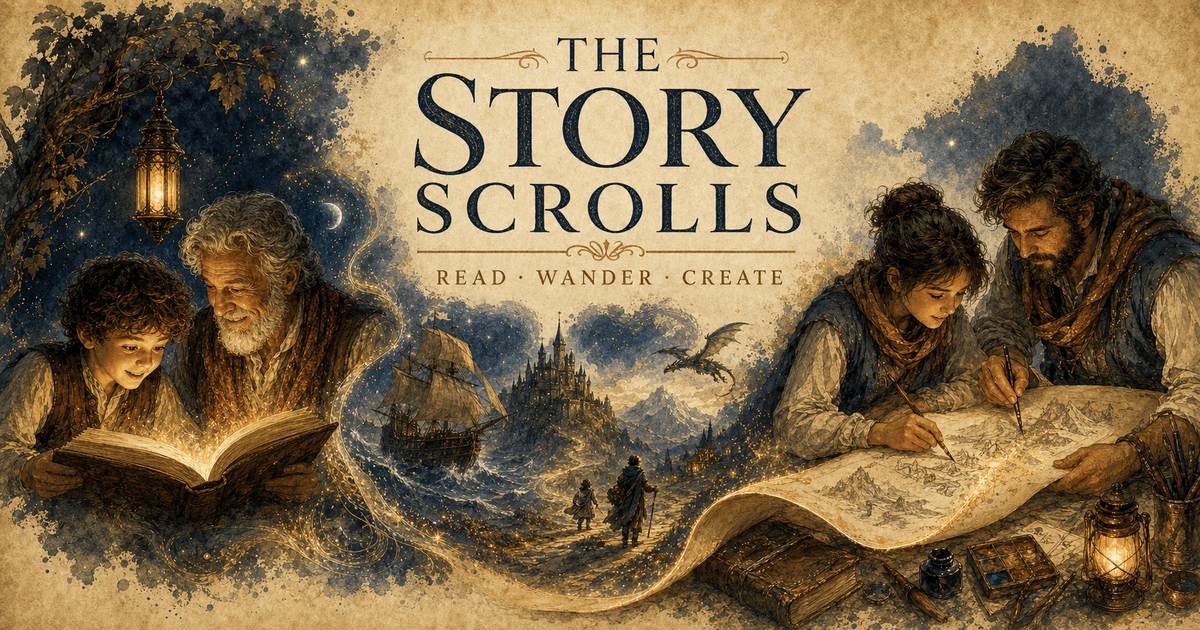
The Story Scrolls illustrated reading and storytelling cover.

The Story Scrolls puts books, pictures and story-making in one application. You can open Alice's Adventures in Wonderland with John Tenniel's original illustrations, or start a story of your own without leaving. I built it as a solo developer with AI engineering assistance, handling the creative direction and the interface.

The shelf

The library includes Alice with Tenniel's originals and The Wonderful Wizard of Oz with W. W. Denslow's 1900 artwork, along with Treasure Island, The Secret Garden, Huckleberry Finn and Anne of Green Gables. Their authors, artists, editions and source material stay visible in the application. My part is the reading and creation experience around them.

The visual direction comes from books, maps and lantern light. I wanted the shelf to be worth browsing on its own, before the application asks anyone to make anything.

Four ways into the same book

Near the start, a reader chooses between the complete work, a condensed telling, an age-adapted version and a more picture-led experience. Each is a different way to spend time with the same source.

Inside a scroll, text and illustrations run along one continuous page, with the contents and reading settings close by. The Alice edition pairs Tenniel's originals with AI chapter and scene art, clearly labeled, and uses decorative initials for the feel of a printed book. I worked on the pictures and the layout together, since the room an illustration gets and the way a chapter opens both change the reading.
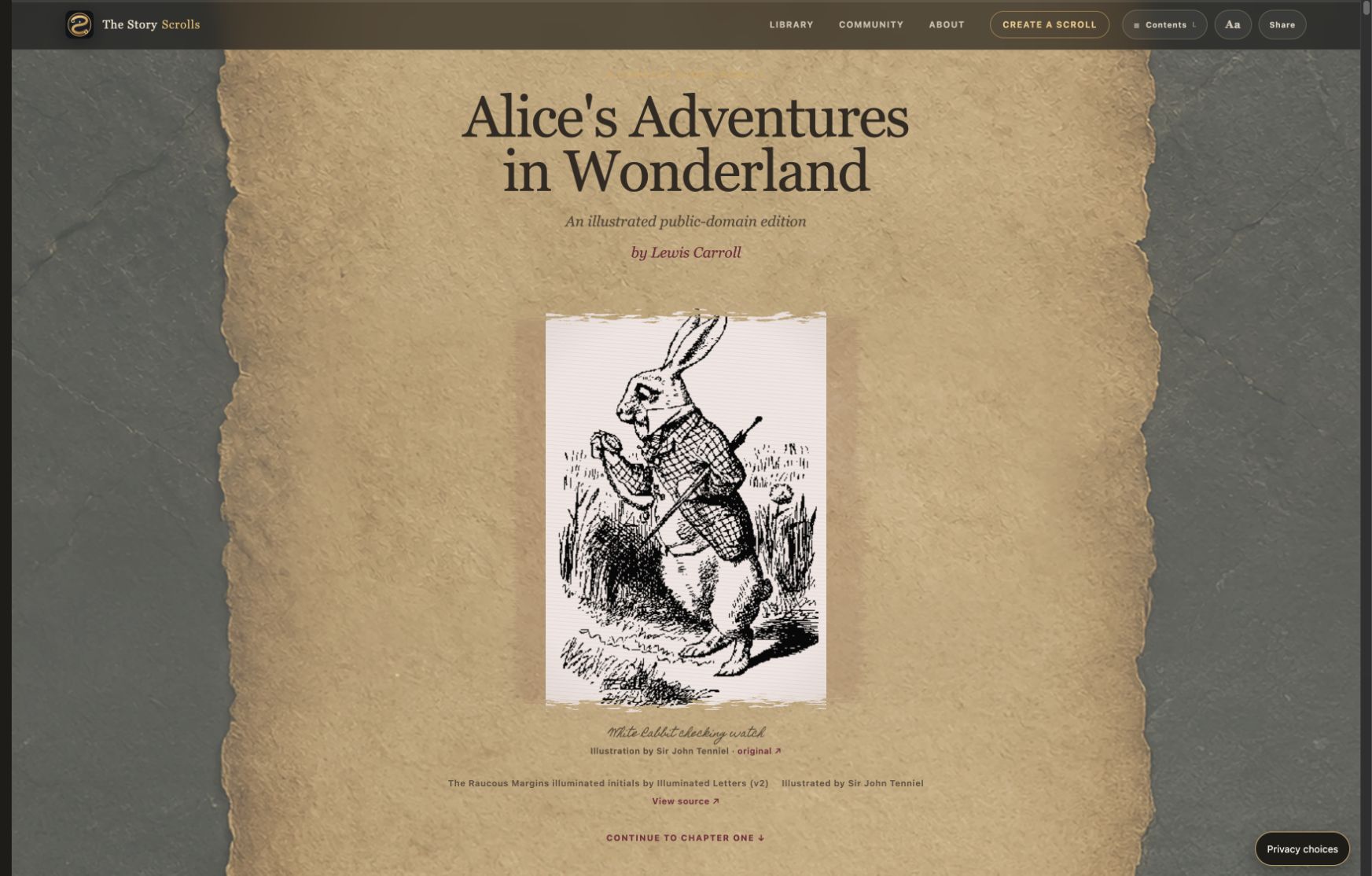
Alice’s Adventures in Wonderland in Story Scrolls, with John Tenniel’s original illustrations.

What does your character want?

The workshop can start from an original idea, a public-domain work or a manuscript the reader brings. It moves through source, rights, story, intended reader, art and review.

For an original story, it asks for the premise and setting, then the character's wants, needs, obstacles and stakes, with room for a three-act outline, a character arc, a theme and an ending. I like that those questions come before the pictures. A rough idea often gets much clearer once someone decides what the character wants and what stands in the way, and the review stage gives those choices a second look before the next step.

A public community area holds scrolls beyond the classic library, for anyone who wants to see what other people have made.

Cory BoehneLet's talk
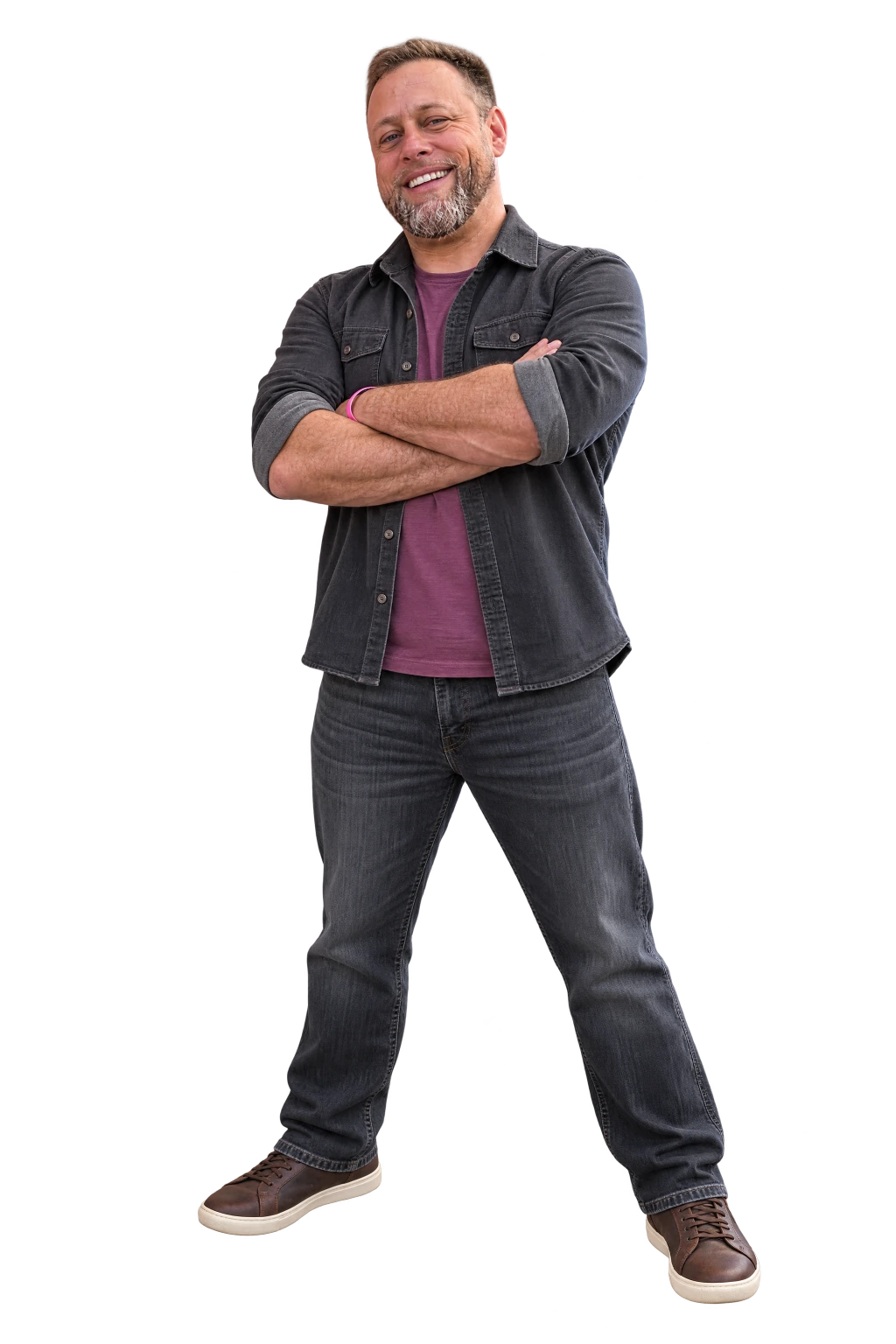
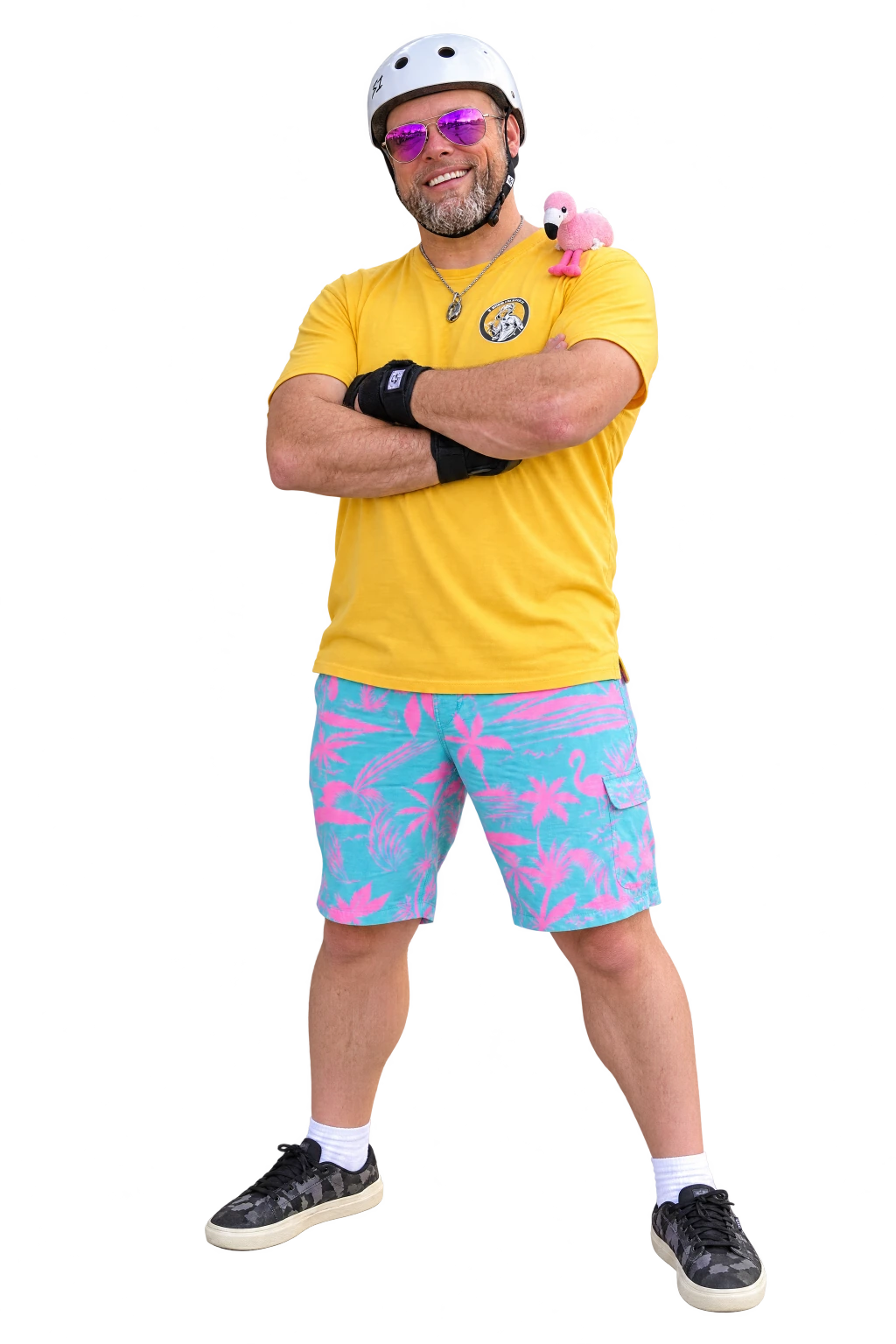
Creative full-body development portrait of Cory Boehne
03SOFTWARE CASE STUDIES

Software I've built
and how it works.

I've built tools for maintenance teams and company finances, applications that run on local models, image and story software, and games with a little AI in the cast. The problems range from a missing zero in a spreadsheet to a suspect who mustn't reveal the answer.

Building software since the late nineties.

Business tools, games and image software.

Three places
to start.

A Maximo assistant that has to know which release you run. An arcade where one local model plays a different part in every game. An image tool I built while making the portraits on this site.

Dr. Maximo brand character holding a tablet.
AI and reliability

Dr. Maximo

A web application for Maximo and reliability questions that shows its sources, keeps track of the release and reads approved system data without changing it.

Inside Dr. Maximo
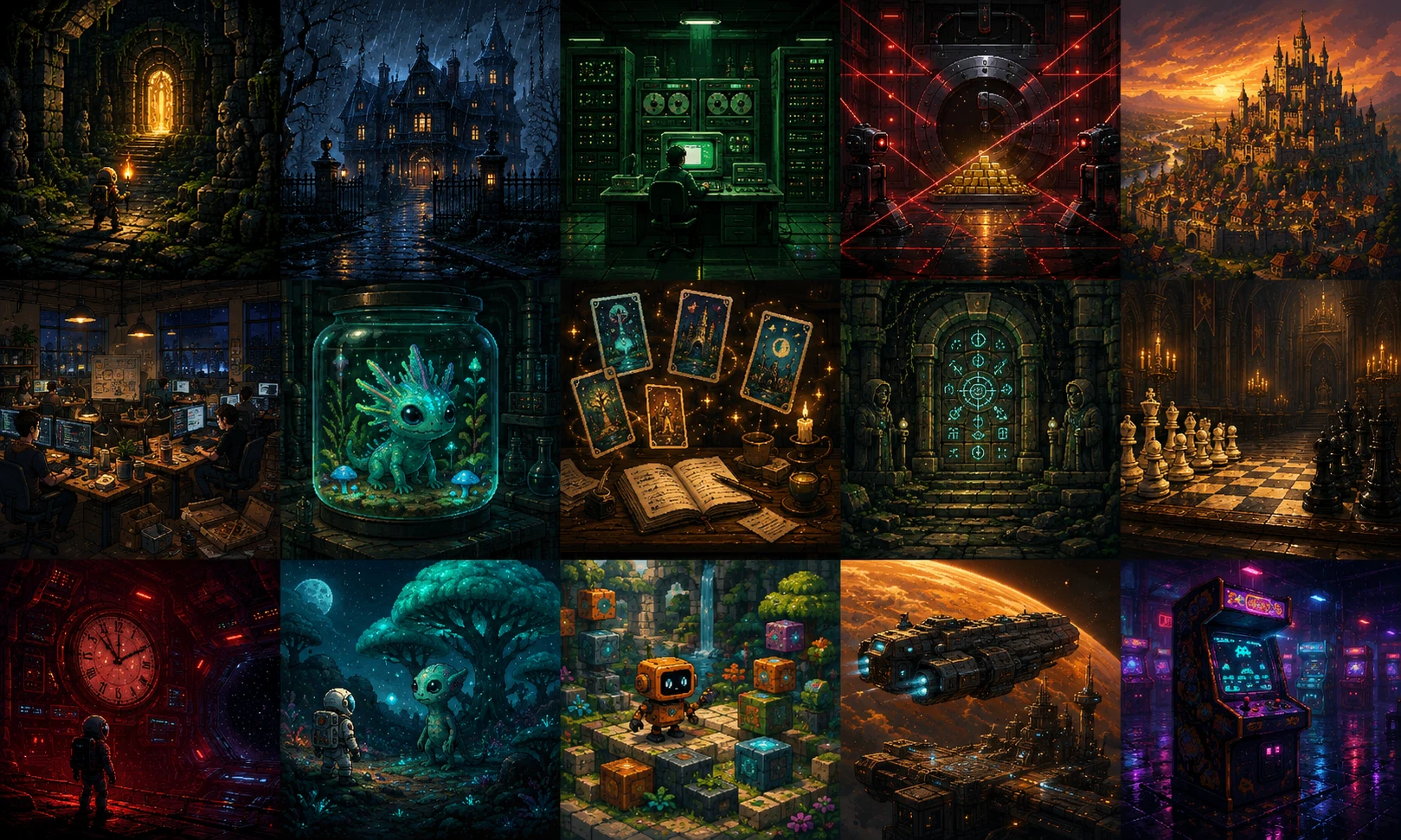
Fifteen illustrated game worlds from Tiny AI Arcade.
Interactive experiments

Tiny AI Arcade

Small games and practical tools where the rules stay in charge and the model plays a defined part: suspect, narrator or hint-giver.

Enter the arcade
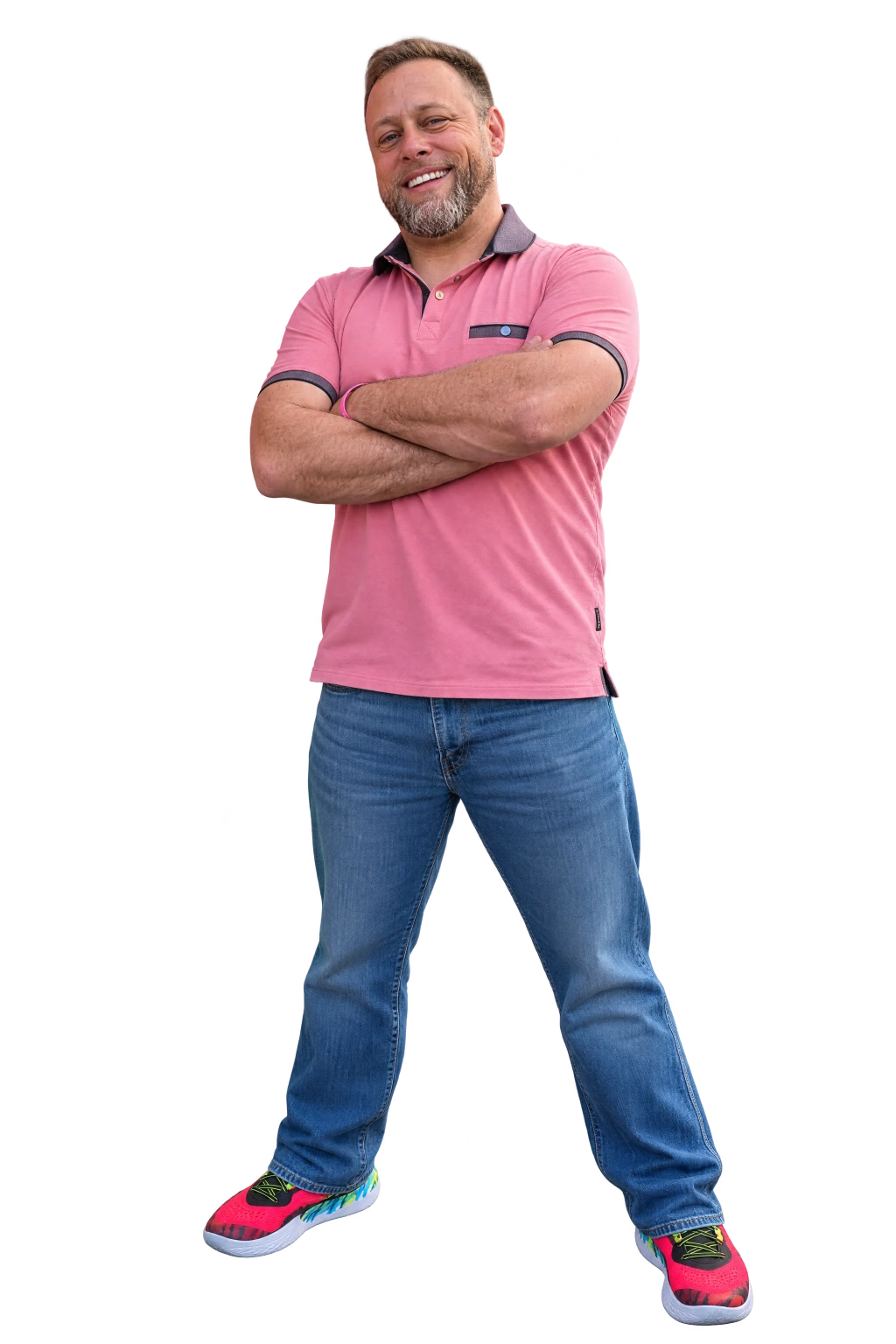
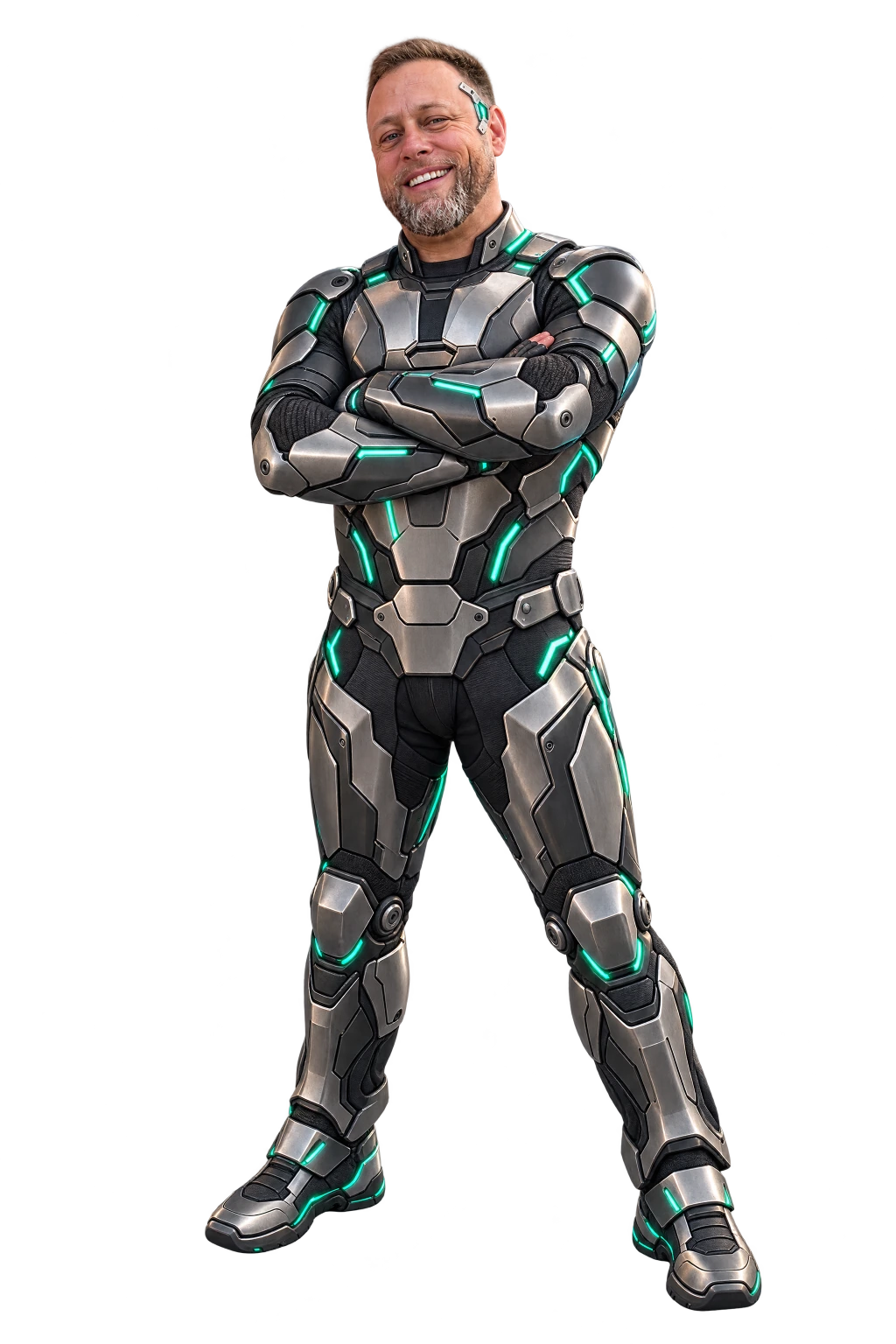
Personal portrait of Cory, created in Image StudioAI portrait of Cory, created in Image StudioRiding portrait of Cory, created in Image Studio
Creative software

Image Studio

A private image application for keeping one person recognizable across many scenes, with reference roles, saved recipes, masked edits and transparent output.

Inside Image Studio
The Story Scrolls
Alice’s Adventures in Wonderland in Story Scrolls, with John Tenniel’s original illustrations.
Creative software

An illustrated library with room to make your own.

An illustrated public-domain library, several ways to read and a guided workshop for writing and illustrating a story of your own.

Open The Story Scrolls
  1. Dealerships

    Selling cars showed me what finance and sales software had to do.

  2. Professional Software Systems

    Finance and insurance software for smaller dealerships.

  3. IBM Maximo

    Asset-management work, starting with barcoding software.

Before the current tools

Dealership software led me to Maximo.

I was building, selling and repairing computers by my mid-teens, and did early web work after that. Then came a stretch as an electronics supervisor at OfficeMax and several years selling cars at Casa Chevrolet in Albuquerque.

The car lot turned out to be good preparation. At Professional Software Systems, I built finance and insurance software for smaller dealerships, including buy-here-pay-here loan handling and sales tools. One of those tools compared amortization scenarios to show when a different use of a customer's money could benefit both the buyer and the dealership. I had worked the sales floor, so I knew what those screens needed to show.

The oddest problem involved driver's license numbers. Some states built their identifiers with Soundex patterns, and each state had its own variations. Inside the dealership workflow, we reverse-engineered those patterns and worked through the exception rules one state at a time.

A contracting connection then brought me into IBM Maximo, writing barcoding software. After that I left the industry for a while to travel and study, starting at San Juan College around 2005 and moving on to New Mexico Tech. Banetti brought me back to software.

How that experience grew into technology leadership

All the software stories.

Explore the applications, experiments and server work, including the private prototypes and the decisions that shaped them.

11 entries
Related work

The design, the businesses
and the skills behind the builds.

There's more to a project than its software: the identity it needs, the business it serves and the people who have to use it.

Build something

What needs
building?

Tell me what the software needs to do, what data it touches and where the current process breaks down. I'm glad to work through the details with you.

Tell me what needs building