DevelopmentMobile and web

For Sale

For Sale app icon showing a camera and price tag.
The For Sale Android app icon.

Selling a room full of things starts well before a listing. You're standing beside an item, photographing it and saying what you know while the details are in front of you. For Sale is an internal beta for that stage, with an Android app for capture and a browser view for review.

The item comes before the photo

A storage unit's worth of objects turns into a phone's worth of disconnected pictures very quickly. The model number is in one shot, the scratch is in another and the explanation was something said out loud on the way to the next box.

In For Sale, you create the item first. Photos, short videos and spoken notes attach to it from the start, so I can read out a model number or describe a mark while looking at the object. Walk & Talk covers moving through several things at once: narrated clips with item markers, with the recordings kept for later review.

The same item has to be recognizable on the phone and in the browser. More photographs should make it easier to understand without creating a second sorting job.

Uploads that survive a weak signal

Capture can happen somewhere with a poor connection. Uploads can resume, and local originals are retained while the transfer completes. The person can see whether their material has arrived and which item it belongs to.

Review at the desk, publishing switched off

On the larger screen, the collected photos and notes become the starting point for review. The broader project includes help with identification, condition notes, comparable listings, pricing and draft descriptions, with the comparisons available to examine. A photograph shows what an item looks like, and a spoken note can say whether it was tested. Keeping the two together helps a description stay accurate.

Drafts can be checked for missing photos, unclear condition notes and details that need another look. Marketplace publishing is disabled; the beta covers the capture and review work that comes before a listing. I designed the phone experience, the browser review and the connection between them.

Cory BoehneLet's talk
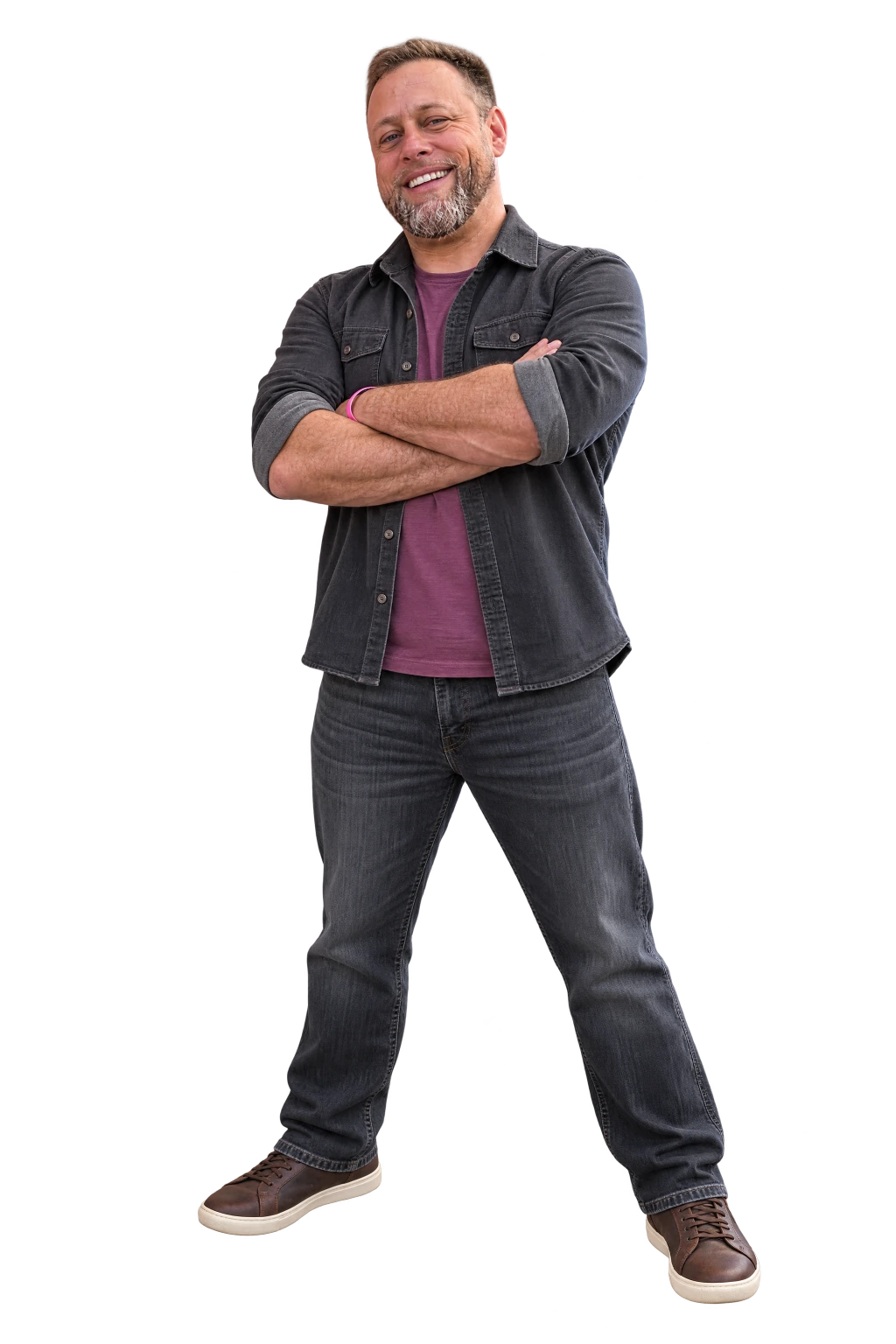
Creative full-body development portrait of Cory Boehne
03SOFTWARE CASE STUDIES

Software I've built
and how it works.

I've built tools for maintenance teams and company finances, applications that run on local models, image and story software, and games with a little AI in the cast. The problems range from a missing zero in a spreadsheet to a suspect who mustn't reveal the answer.

Building software since the late nineties.

Business tools, games and image software.

Three places
to start.

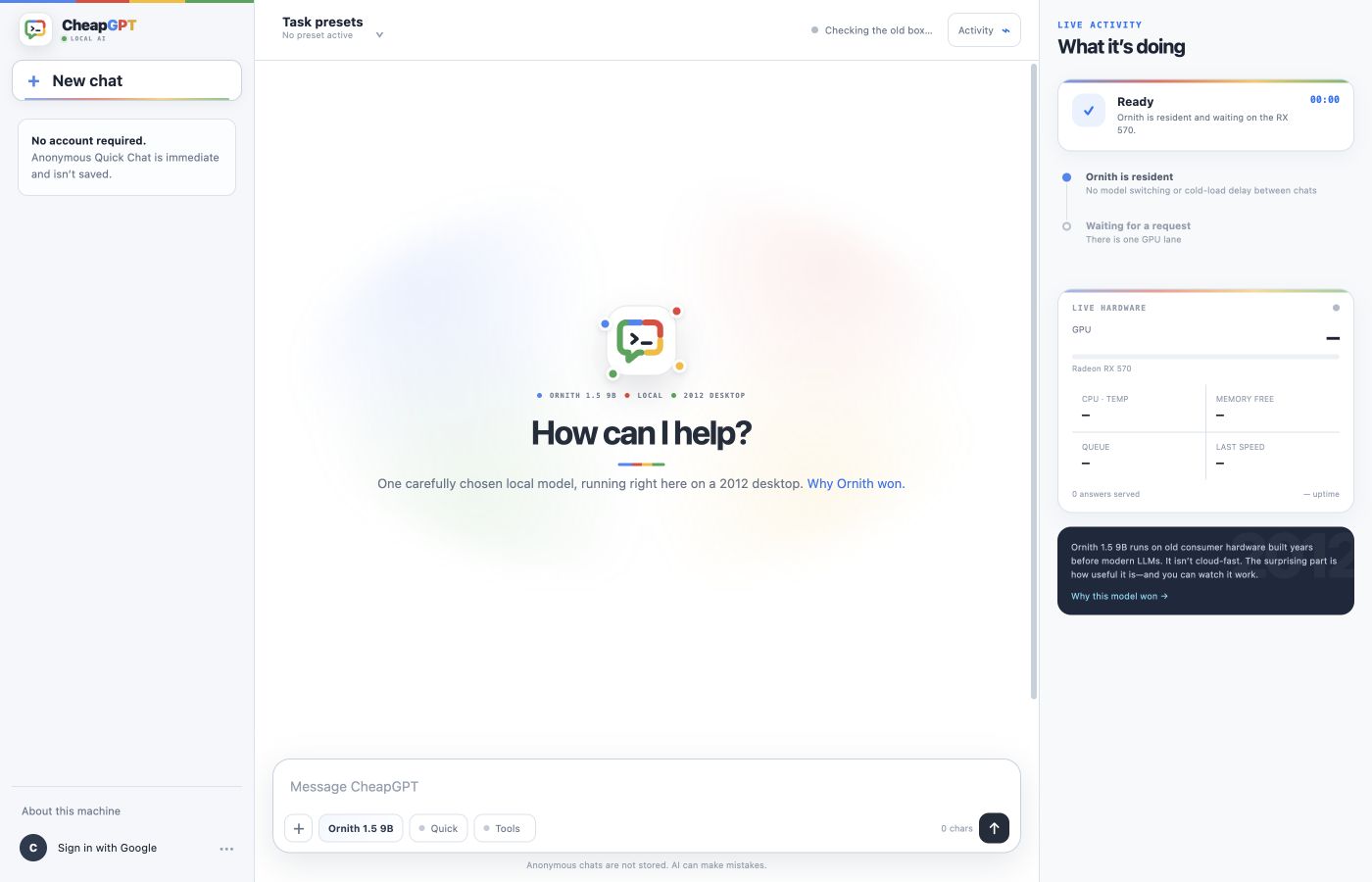
A Maximo assistant that has to know which release you run. An arcade where one local model plays a different part in every game. An image tool I built while making the portraits on this site.

Dr. Maximo brand character holding a tablet.
AI and reliability

Dr. Maximo

A web application for Maximo and reliability questions that shows its sources, keeps track of the release and reads approved system data without changing it.

Inside Dr. Maximo
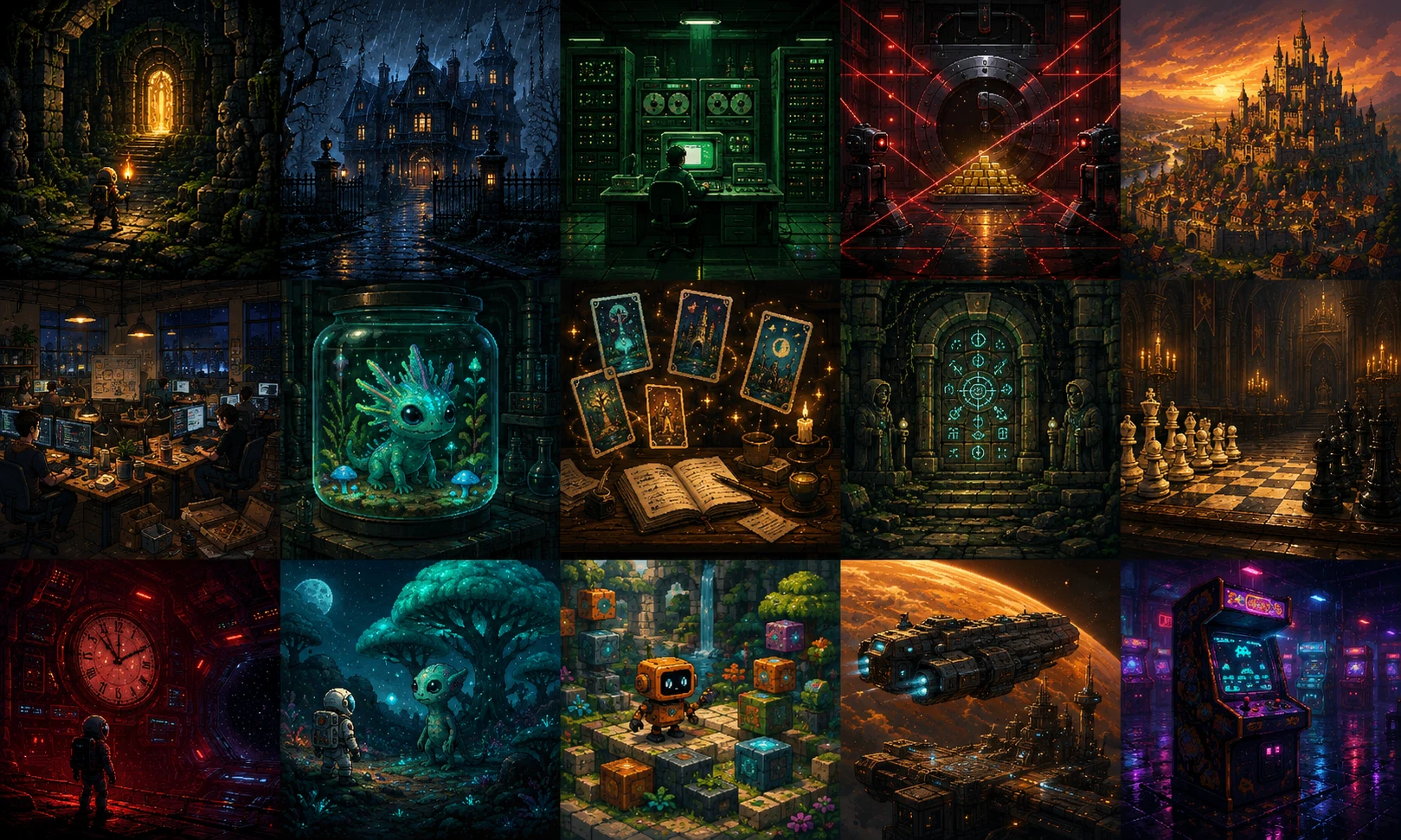
Fifteen illustrated game worlds from Tiny AI Arcade.
Interactive experiments

Tiny AI Arcade

Small games and practical tools where the rules stay in charge and the model plays a defined part: suspect, narrator or hint-giver.

Enter the arcade
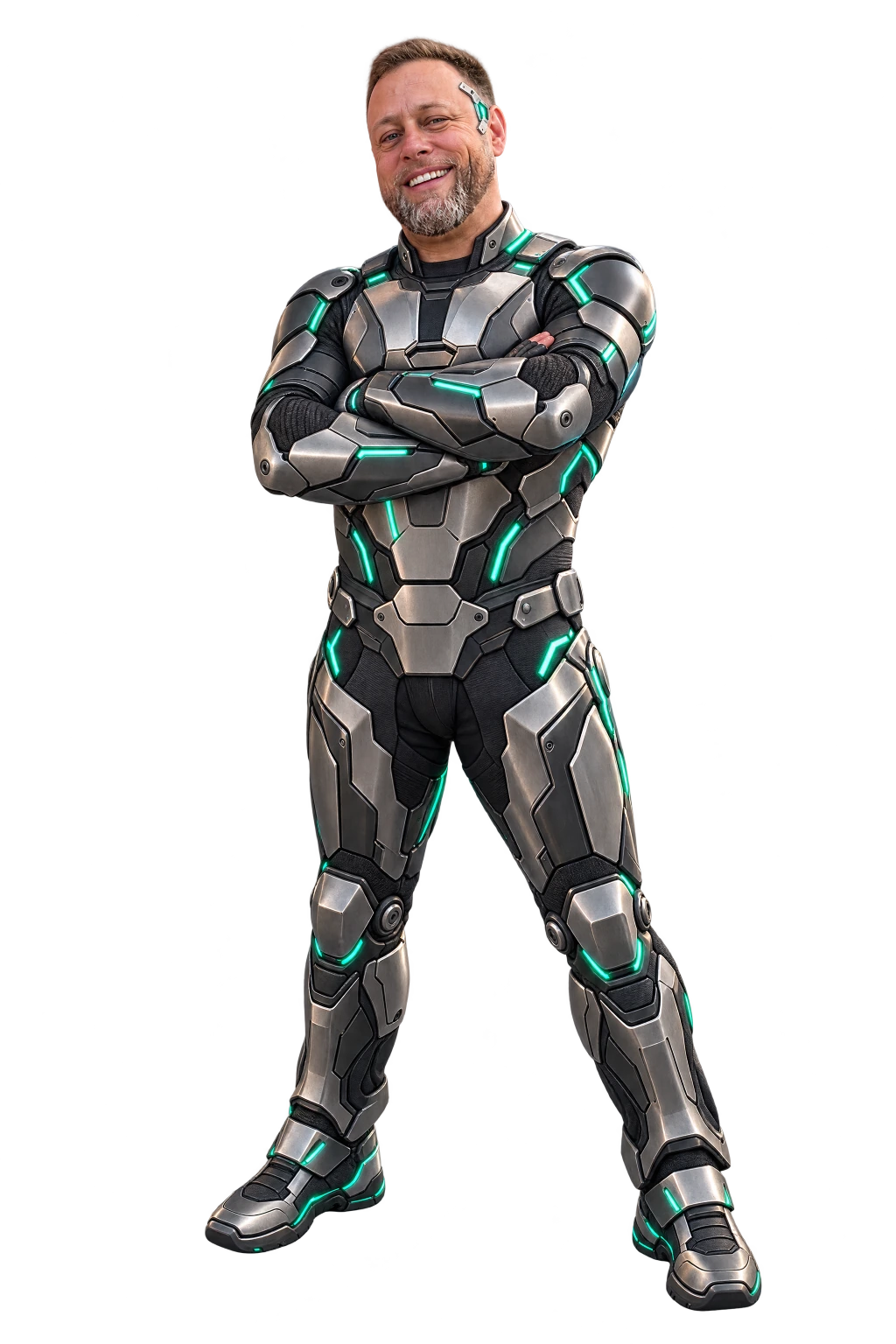
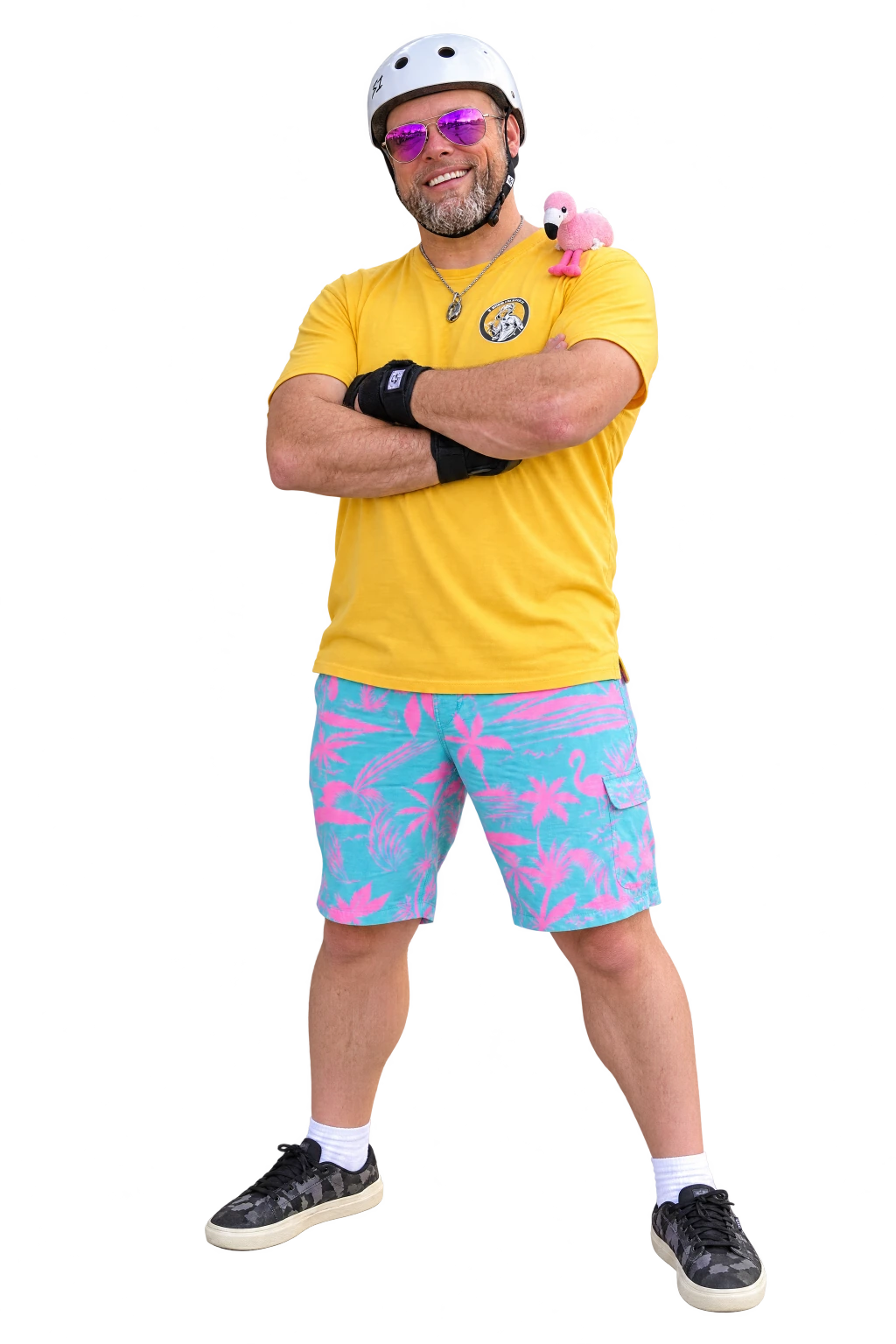
Personal portrait of Cory, created in Image StudioAI portrait of Cory, created in Image StudioRiding portrait of Cory, created in Image Studio
Creative software

Image Studio

A private image application for keeping one person recognizable across many scenes, with reference roles, saved recipes, masked edits and transparent output.

Inside Image Studio
The Story Scrolls
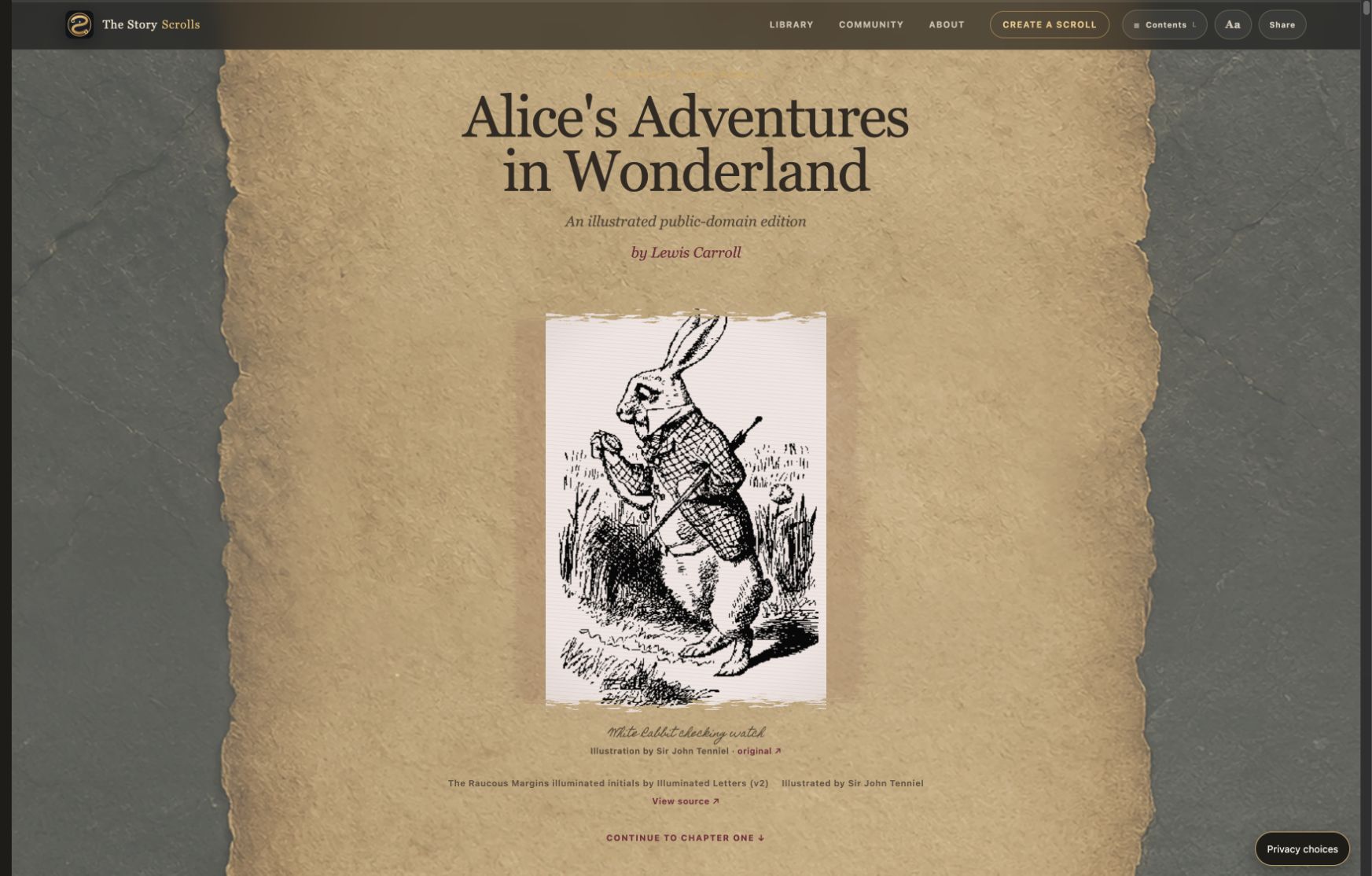
Alice’s Adventures in Wonderland in Story Scrolls, with John Tenniel’s original illustrations.
Creative software

An illustrated library with room to make your own.

An illustrated public-domain library, several ways to read and a guided workshop for writing and illustrating a story of your own.

Open The Story Scrolls
  1. Dealerships

    Selling cars showed me what finance and sales software had to do.

  2. Professional Software Systems

    Finance and insurance software for smaller dealerships.

  3. IBM Maximo

    Asset-management work, starting with barcoding software.

Before the current tools

Dealership software led me to Maximo.

I was building, selling and repairing computers by my mid-teens, and did early web work after that. Then came a stretch as an electronics supervisor at OfficeMax and several years selling cars at Casa Chevrolet in Albuquerque.

The car lot turned out to be good preparation. At Professional Software Systems, I built finance and insurance software for smaller dealerships, including buy-here-pay-here loan handling and sales tools. One of those tools compared amortization scenarios to show when a different use of a customer's money could benefit both the buyer and the dealership. I had worked the sales floor, so I knew what those screens needed to show.

The oddest problem involved driver's license numbers. Some states built their identifiers with Soundex patterns, and each state had its own variations. Inside the dealership workflow, we reverse-engineered those patterns and worked through the exception rules one state at a time.

A contracting connection then brought me into IBM Maximo, writing barcoding software. After that I left the industry for a while to travel and study, starting at San Juan College around 2005 and moving on to New Mexico Tech. Banetti brought me back to software.

How that experience grew into technology leadership

All the software stories.

Explore the applications, experiments and server work, including the private prototypes and the decisions that shaped them.

11 entries
Related work

The design, the businesses
and the skills behind the builds.

There's more to a project than its software: the identity it needs, the business it serves and the people who have to use it.

Build something

What needs
building?

Tell me what the software needs to do, what data it touches and where the current process breaks down. I'm glad to work through the details with you.

Tell me what needs building