ExplorePhotography
Learning through the lens
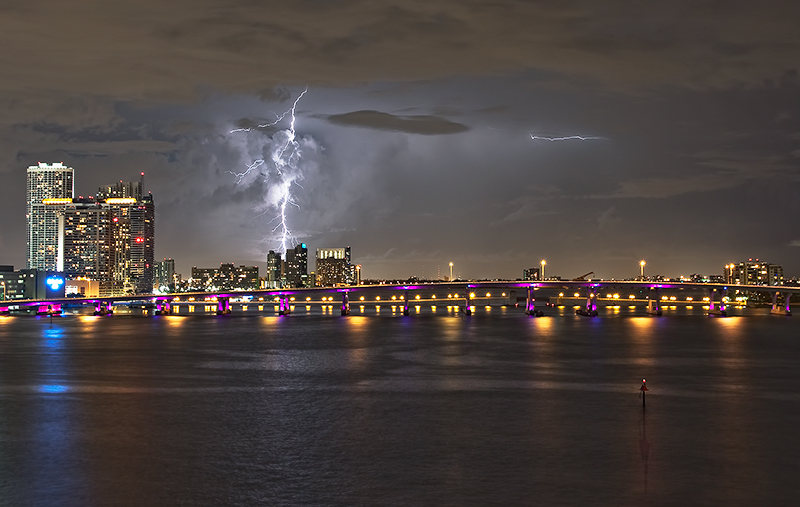
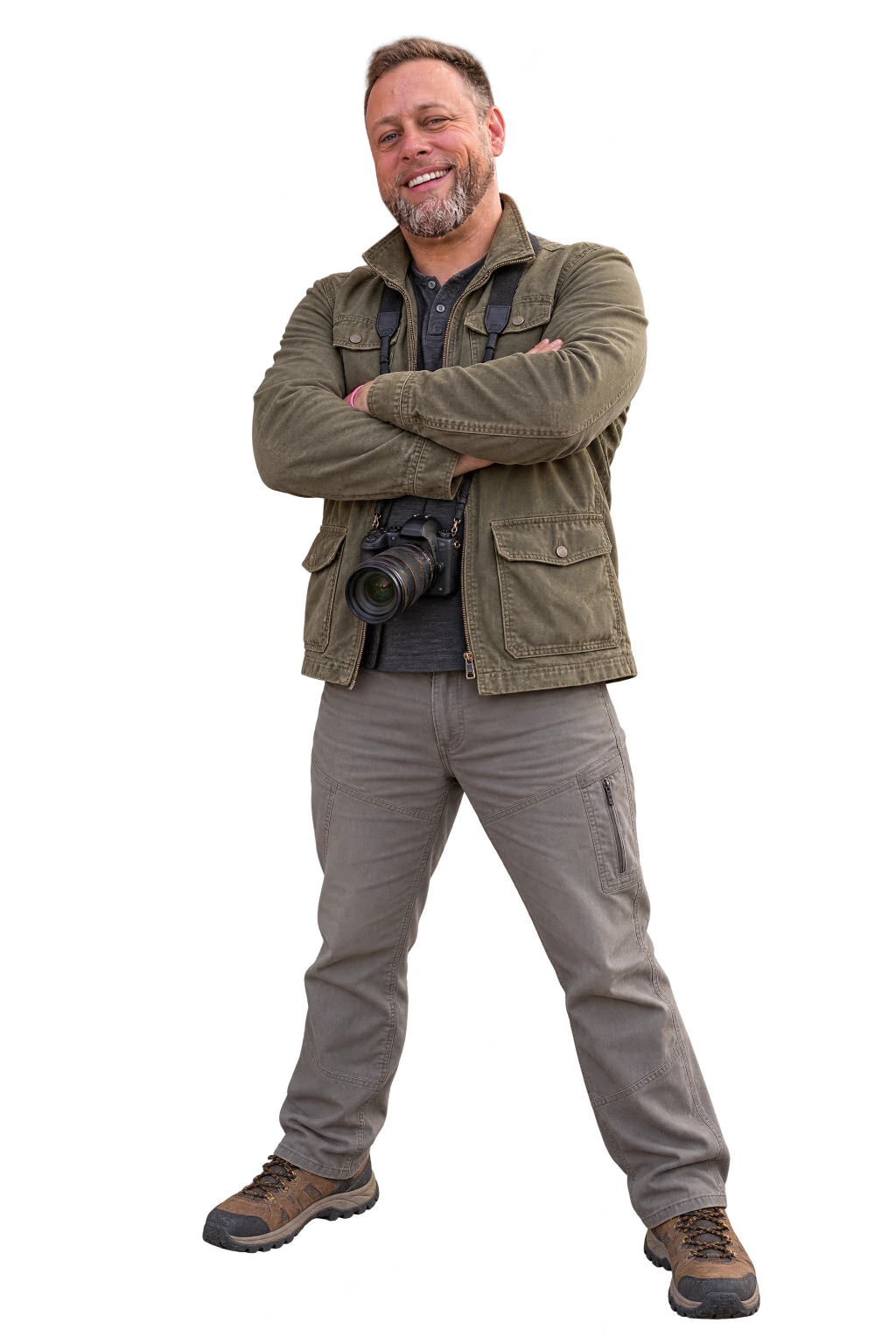
A bicycle ride under a Miami storm. A beetle trail at White Sands. A few thousand pictures from a weekend on one wheel. The subjects changed, and I kept bringing a camera.
In this story 11 chapters
A darkroom first
I got serious about photography in college, working in black and white and spending a lot of time in the darkroom. Making a print meant staying with a picture for a while. The exposure was only the beginning.
Later came a Canon EOS 50D and, in December 2009, DPChallenge. The site gives everyone the same assignment and lets them go in wildly different directions, which turned out to be a very good education: a reason to make the next photograph, and plenty of people willing to tell me what they thought of it.
I sold some photographs through a gallery and shot a few weddings. Mostly I followed whatever interested me: an animal, a storm, a strange idea for a portrait. Eventually a Onewheel, and a whole community of riders, joined the list.
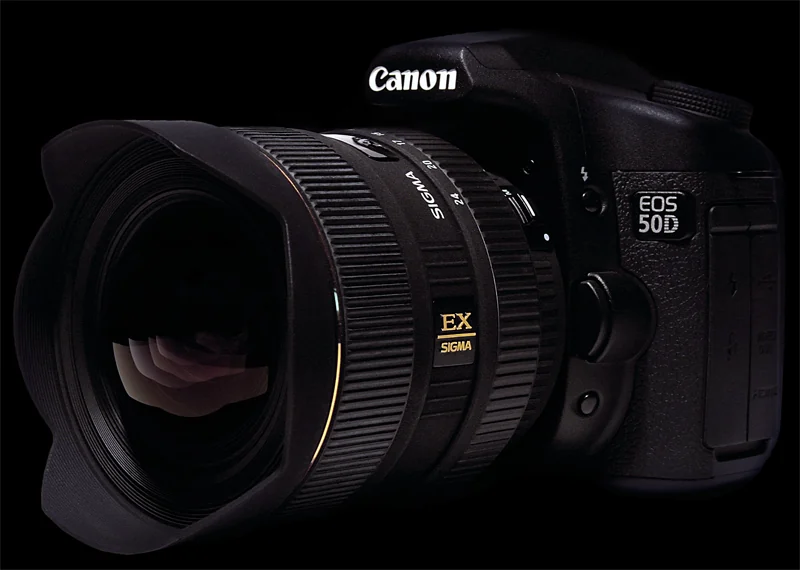
The Architect2010
The Canon EOS 50D, given a turn in front of the lens. This camera belongs near the beginning of the story.
View original entryA tripod on the bicycle
Miami Monsoon, the photograph at the top of this page, came from a bicycle ride in July 2011. I had a tripod on my cruiser and photographed the storm looking north from the Port of Miami Bridge, a thirteen-second exposure. It won the Skylines challenge out of 98 entries.
The part of that story I keep coming back to is the ordinary part: I went for a ride and brought the camera. And, less conveniently, the tripod.
The harbor photograph came from a morning with Pamb, a friend from DPChallenge who was visiting Miami. We traded lenses. I borrowed her wide lens while she carried my much heavier one. The sunrise was a lovely welcome; the lens was apparently less kind to her back.
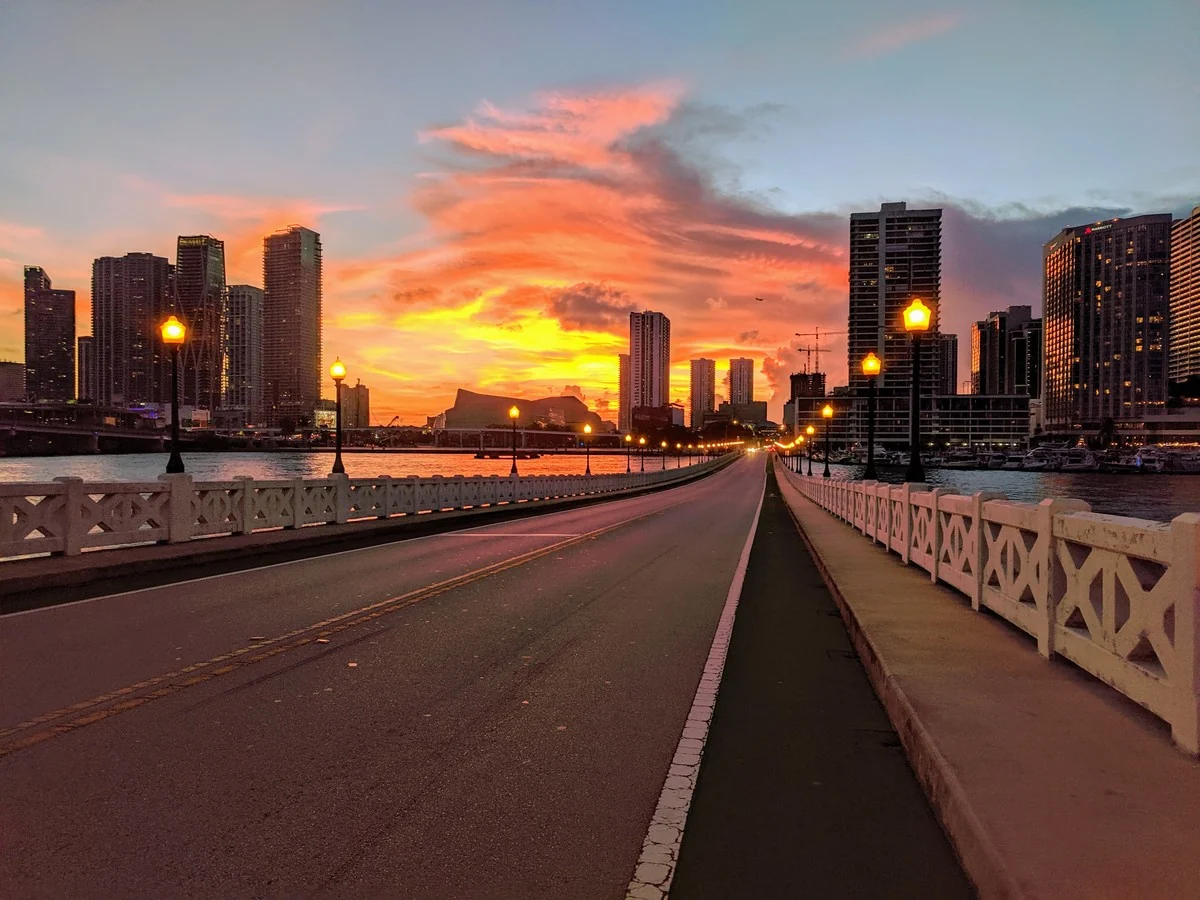
Magic City2019
Sunset from the bridge, photographed with a Google Pixel XL in October 2019.
View original entry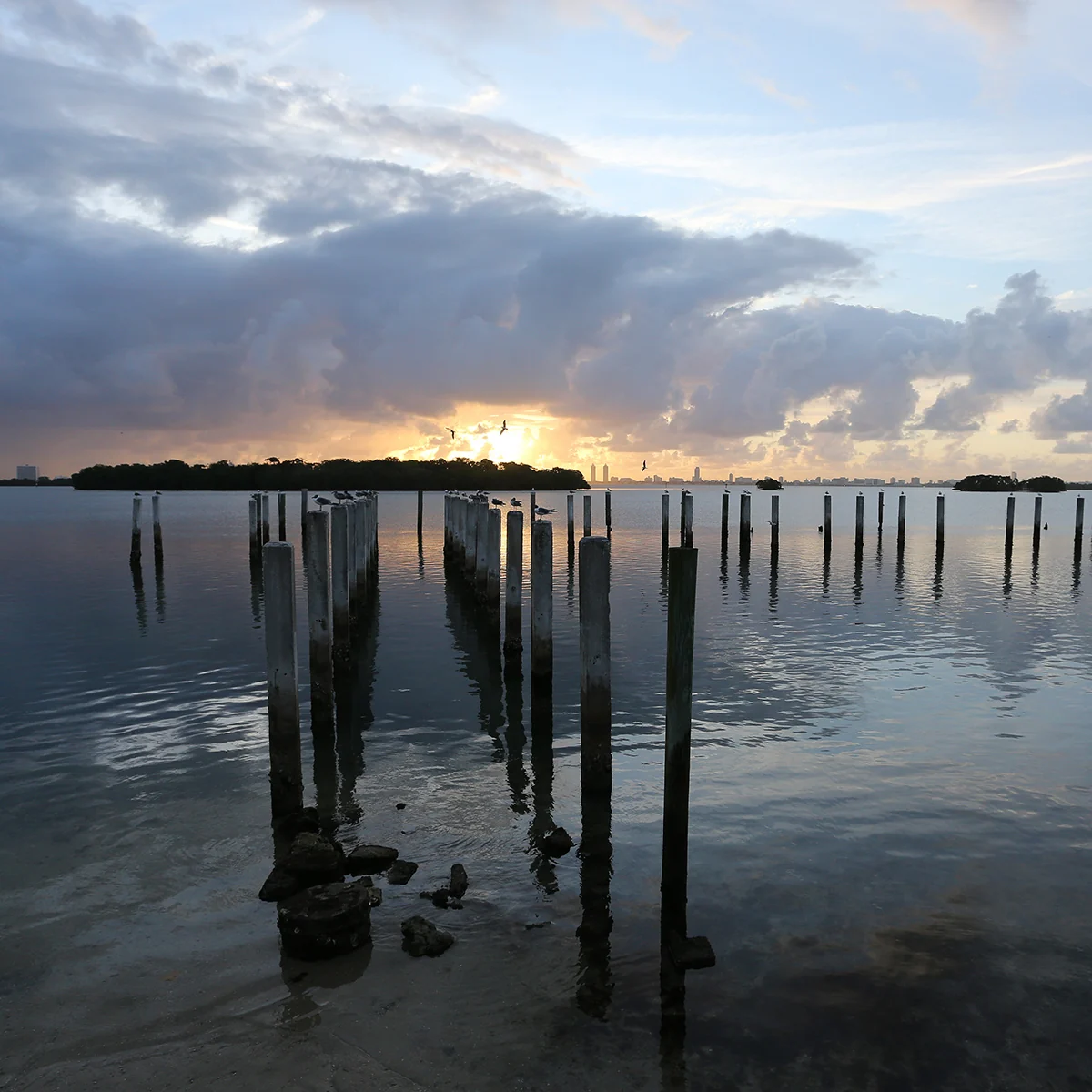
Majestic Morning at Island Harbor2020
Sunrise on the day Pamb arrived in Miami, made with her borrowed wide lens. March 2020.
View original entry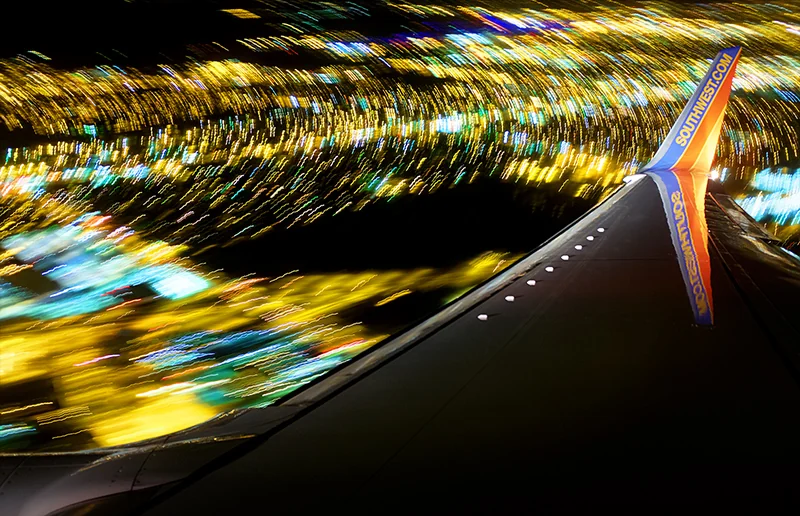
Night Flight2014
One second, handheld, through an airplane window. The city lights become streaks around the wing.
View original entryThe animals do not take direction
At Bosque del Apache in 2010, I spotted a coyote carrying a duck it had just caught, hundreds of yards away. I worked out where it was headed, got ahead of it and waited at a clearing. Predator and prey became my first DPChallenge ribbon and my first score over seven.
The turtle asked for almost the opposite. I was snorkeling and free-diving in Mexico, nearer Tulum than Playa del Carmen. One day there were no turtles; the next there seemed to be a dozen, and this one was curious enough to float right into my face. With the coyote I had to anticipate. With the turtle I mostly had to be ready.
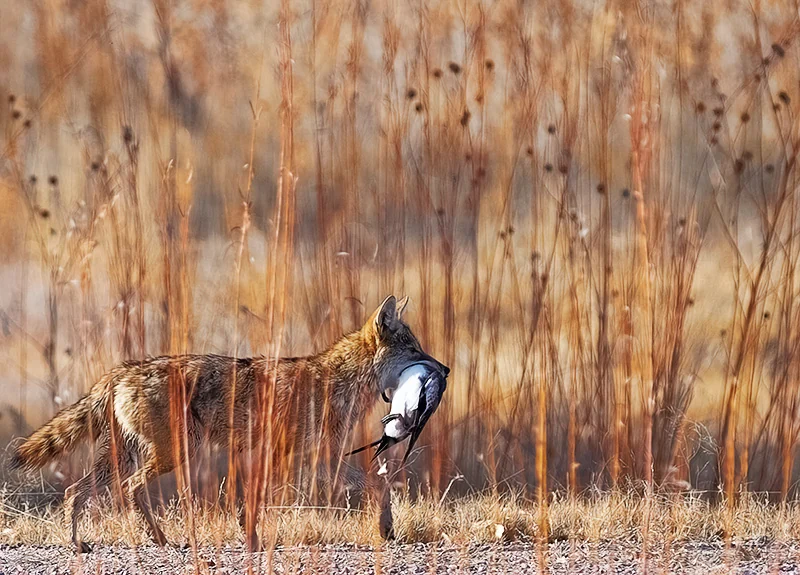
Predator and prey2010
A coyote crosses the clearing with its catch. Bosque del Apache, December 2010. My first ribbon.
View original entry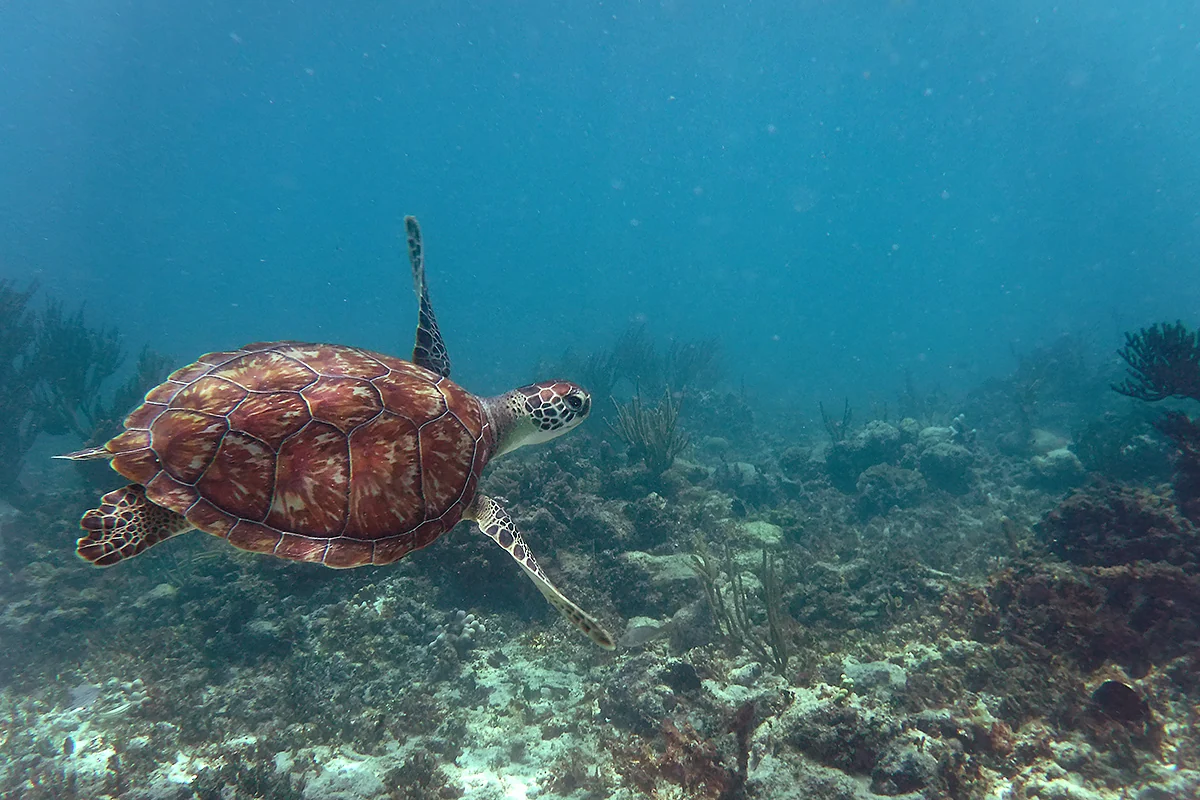
An encounter underwater2016
A curious turtle during a snorkeling and free-diving trip in Mexico.
View original entry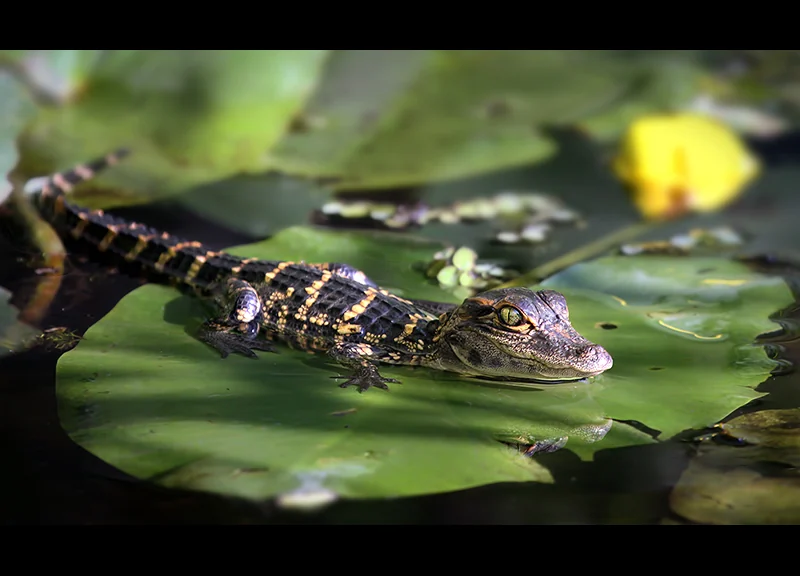
Born On The Bayou2011
A baby alligator at Shark Valley in the Everglades. Small enough to look rather endearing.
View original entry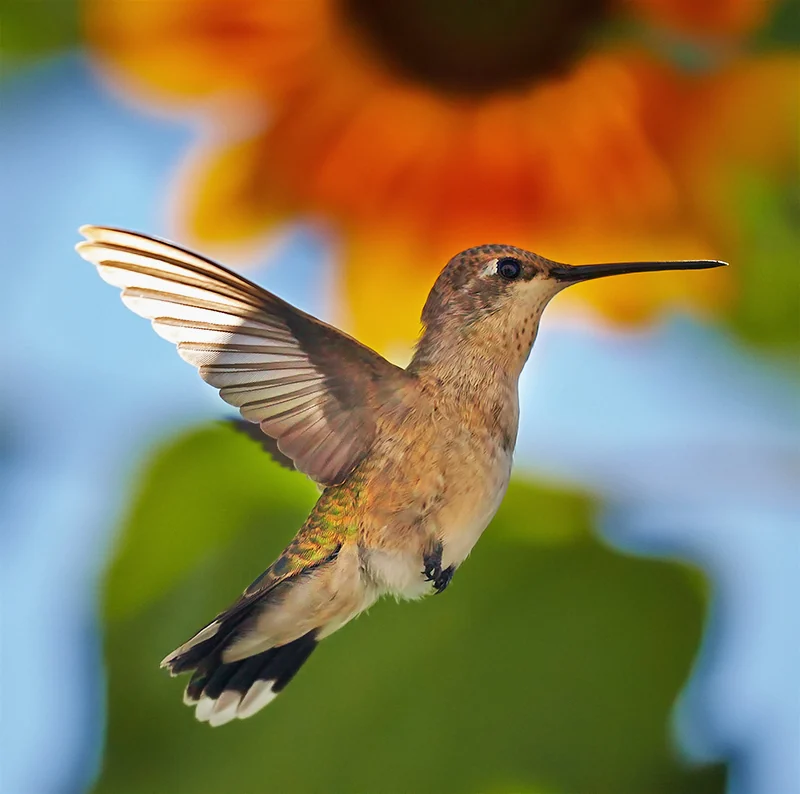
Wings upon the Wind2014
A hummingbird held in the frame for a moment, with the wings still telling you how fast it is moving.
View original entrySand, rust and a very large sky
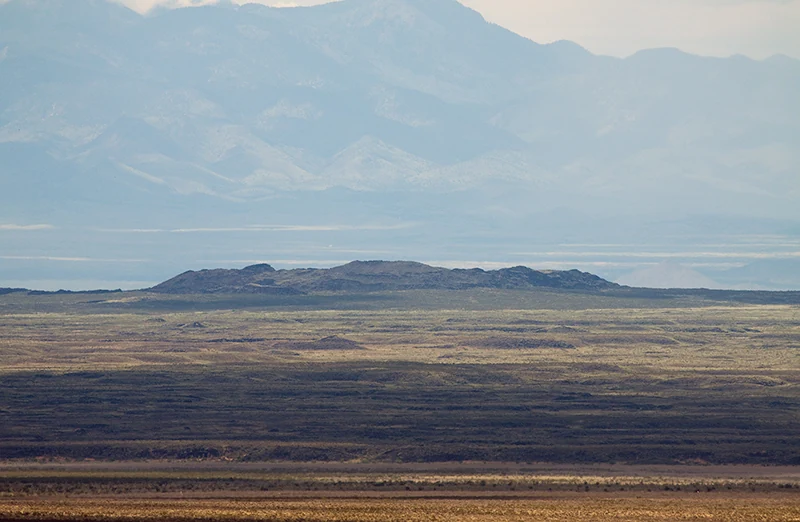
At White Sands, a beetle had already made the most delicate part of Edge of the Dunes: a little trail across untouched sand. I liked the light, asked a friend to walk past and made the photograph. We covered seven or eight miles barefoot that day.
Rusty Bullet Holes came from an abandoned Cadillac in the Jornada del Muerto. My friend Paul was helping with the lights and ended up as the person in the window. The wind was around thirty miles an hour, which made the lighting umbrellas a lot less cooperative than Paul.
The desert pictures look very still. Making them was not always a still or tidy business.
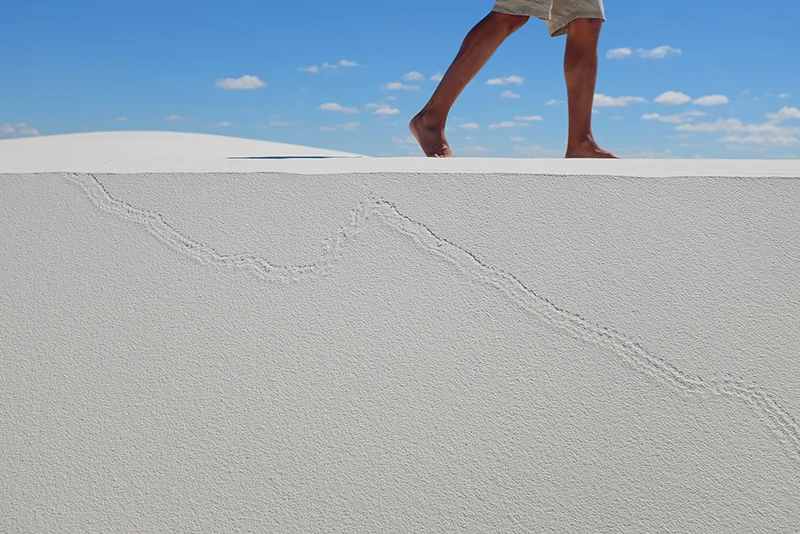
Edge of the Dunes2014
A beetle trail, a passing pair of feet and the edge of a dune at White Sands.
View original entry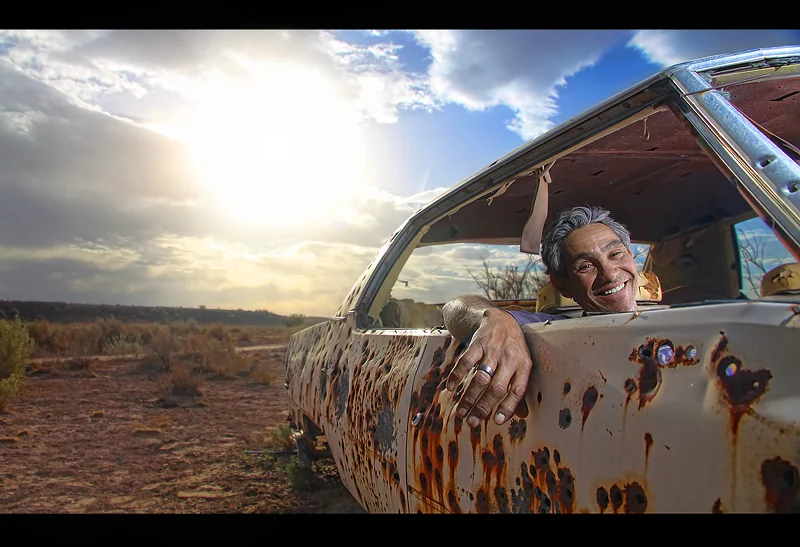
Rusty Bullet Holes2013
Paul in the window of a shot-up Cadillac in the Jornada del Muerto.
View original entry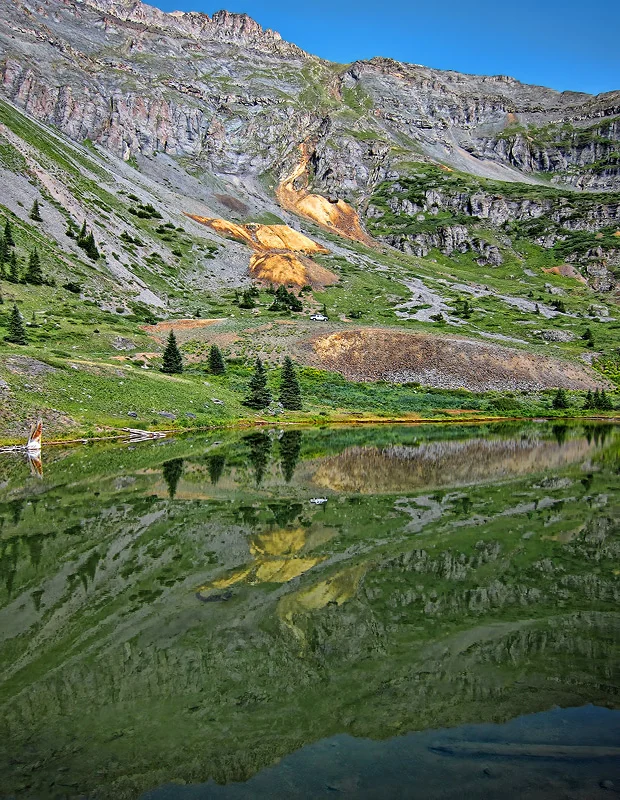
The beach @ 12,500ft2012
A mountain lake holds an almost complete second version of the mountainside.
View original entry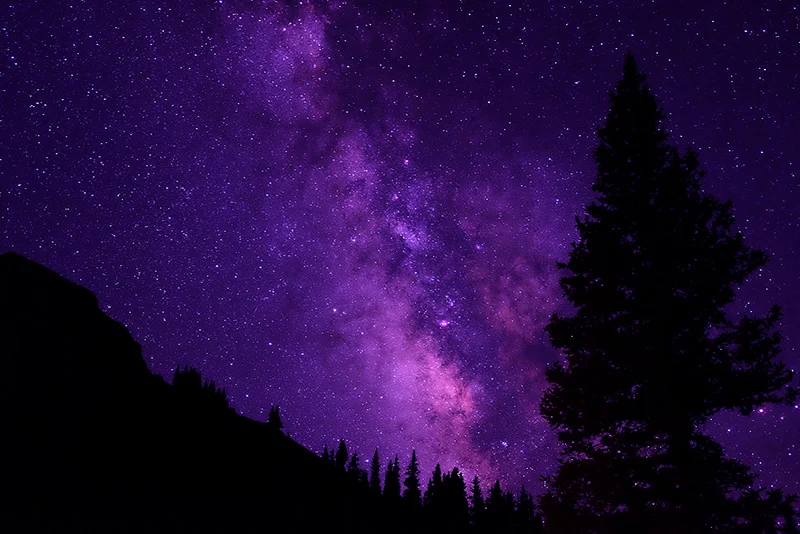
Galactic Disk2014
The night sky above Telluride, Colorado, with the trees reduced to silhouettes.
View original entryA day on the Cumbres and Toltec
These three are from a Cumbres and Toltec trip in September 2013. The train appears in one of them. In the others, the country around the railway fills the frame: water looping through a meadow, rock towers above a canyon and more sky than seems reasonable.
They read as a sequence. The bend of the train leads into the landscape, the stream carries the curve into the next frame, and then the rocks change the shape of the view entirely.
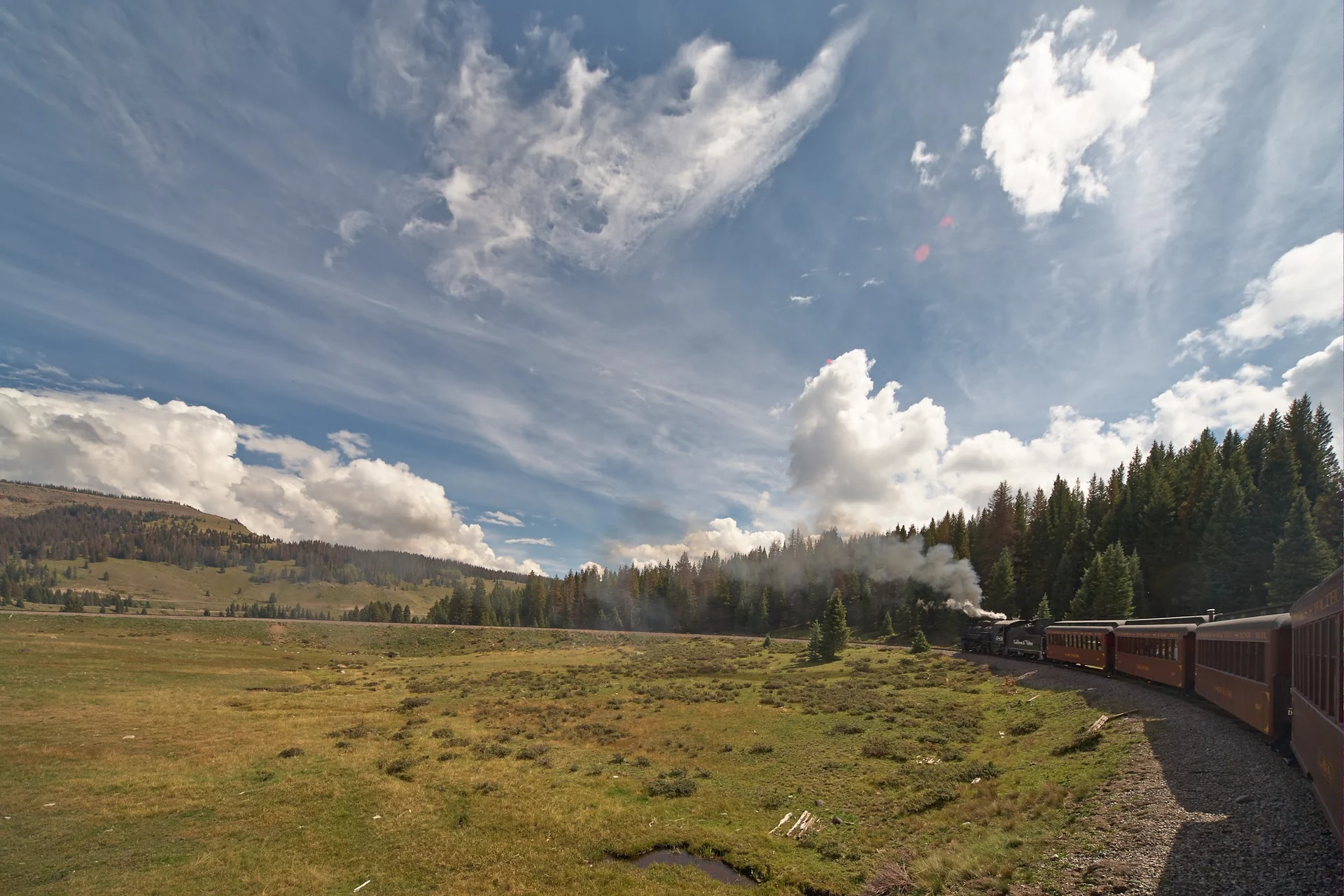
Around the bend2013
September 9, 2013. Looking along the carriages as the steam train rounds a curve.
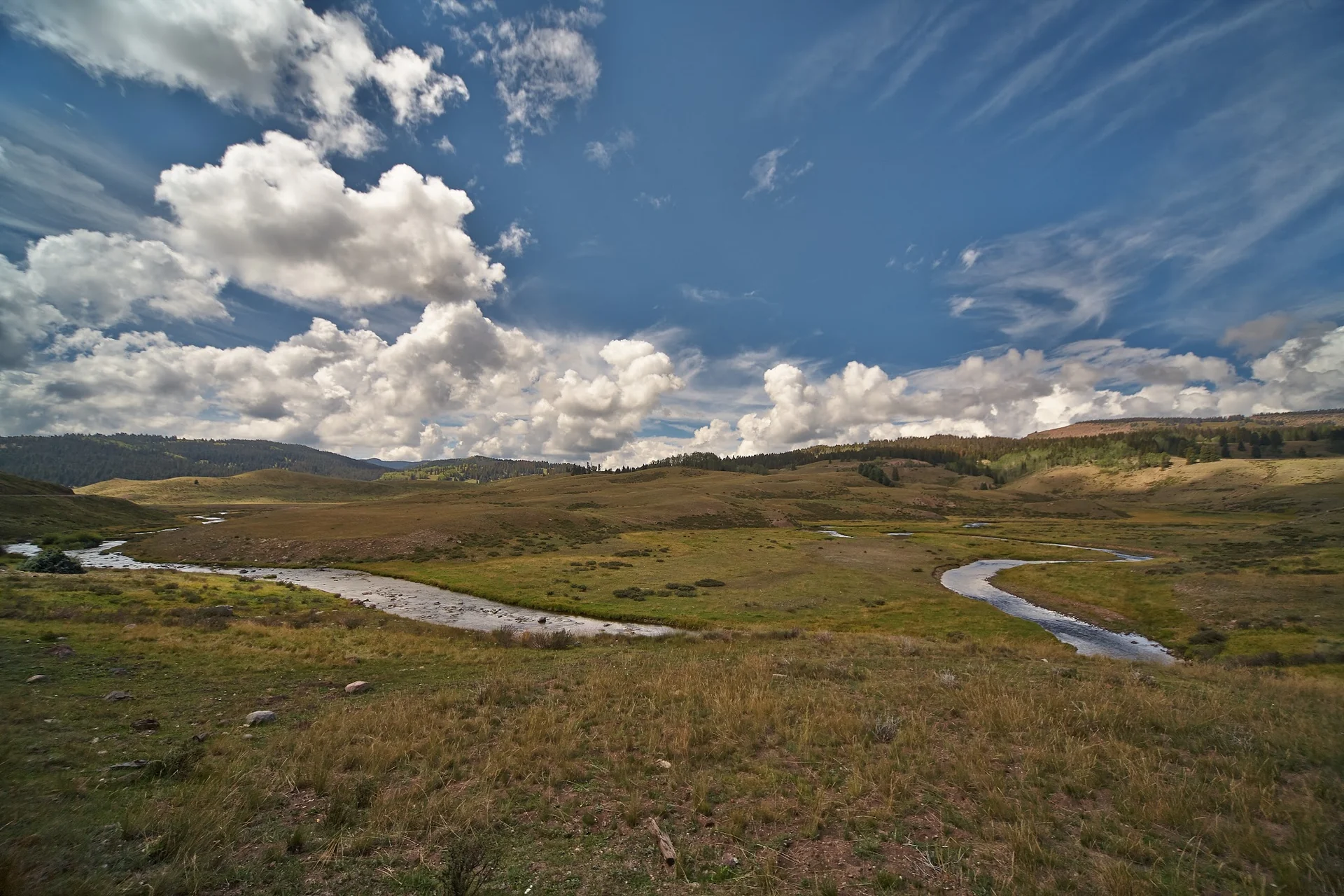
The long way through the meadow2013
The stream takes its time crossing the open grassland. From the same afternoon.
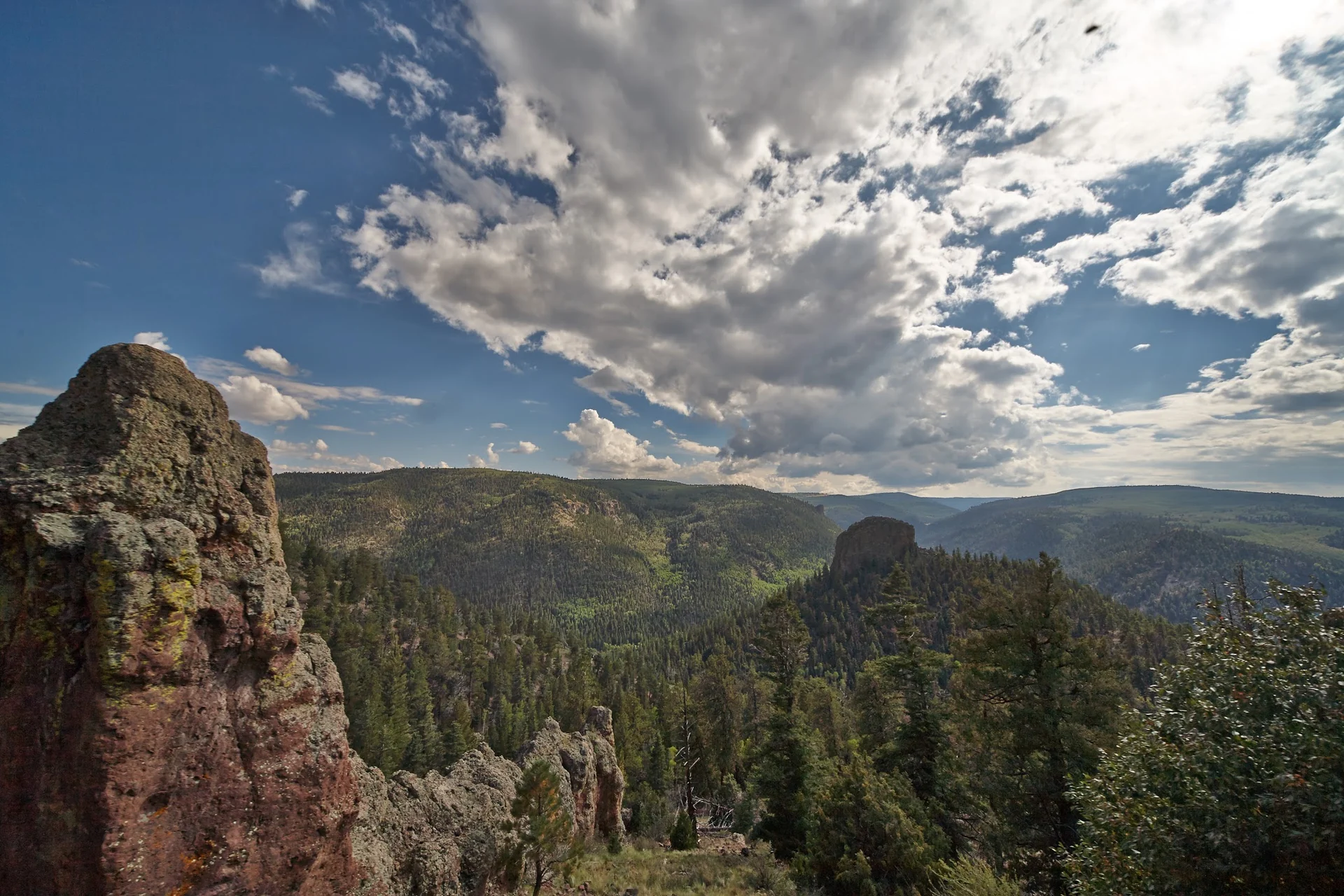
Above the canyon2013
Rock spires, forest and late-afternoon clouds, photographed later that day.
Making something strange on purpose
Some photographs didn't start with going anywhere. They started with a piece of material and the question of what would happen if I put a light behind it.
For into the beyond?, I reused mylar from a homemade large-format camera project, worked it over with sandpaper and photographed through it with a ten-dollar Canon S10. The smeared, uncertain face comes from that physical setup.
La Llorona involved a box, a colored light source, plastic wrap, coffee, oil and more treated mylar, and about three hours of trying things. The camera was focused on the grain of that surface, not on a conventional portrait behind it.
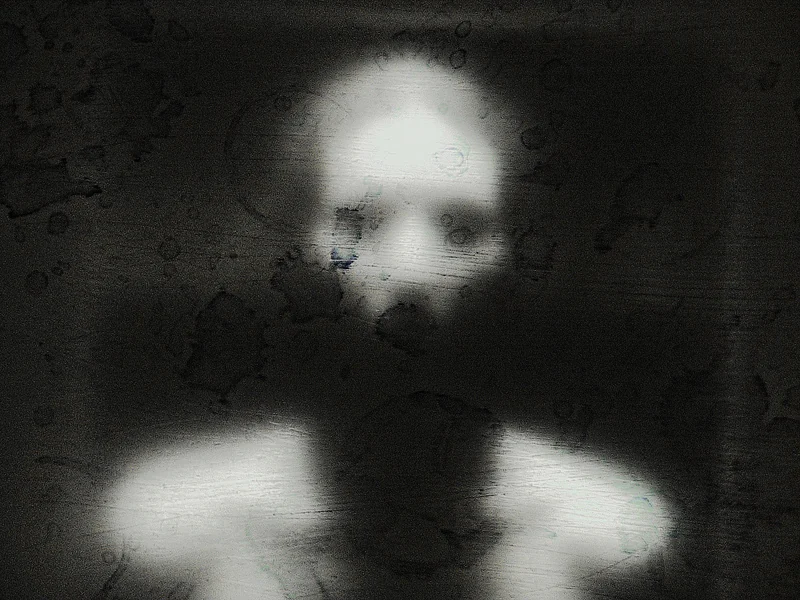
into the beyond?2013
A small, inexpensive camera looking through a deliberately altered surface.
View original entry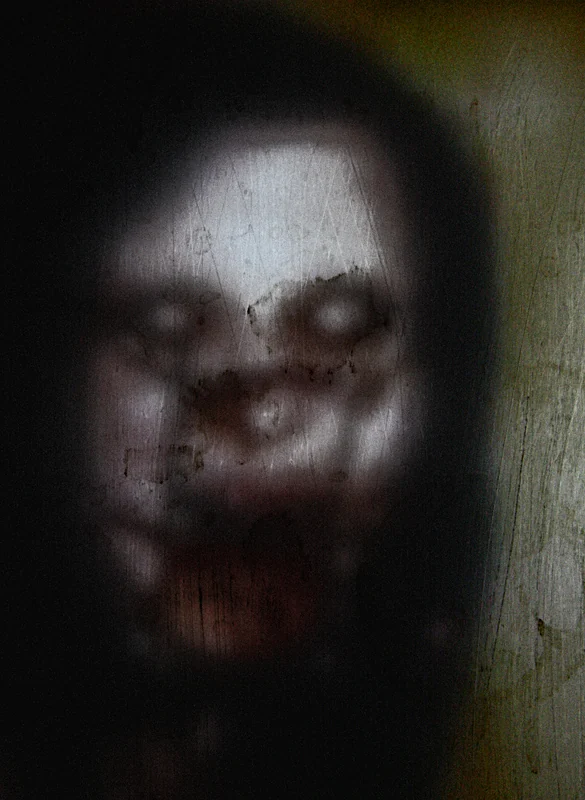
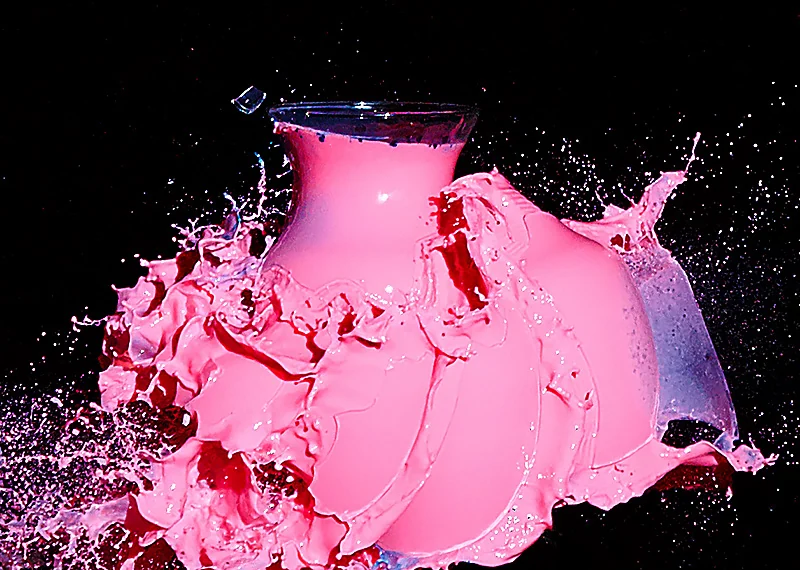
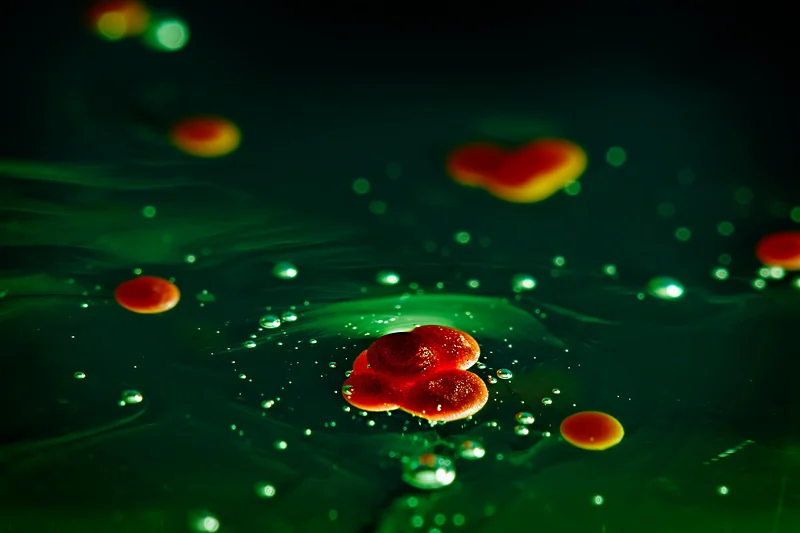
Engineers of our own destruction2013
Red and green droplets turn a small subject into something that could almost be seen through a microscope.
View original entryPeople in front of the camera
My first serious self-portrait needed help. Debbie and Kiersten attached the foliage for Last of the Boehicans, and George handled the camera. There is a fairly straight-faced person under all those leaves, which makes the whole thing more ridiculous.
Blood, Sweat & Tears is a different kind of portrait: a young athlete working toward his goals, with the gym still around him. It won the Let's Get Physical challenge in 2019. The face and the wrapped hands carry most of the picture.
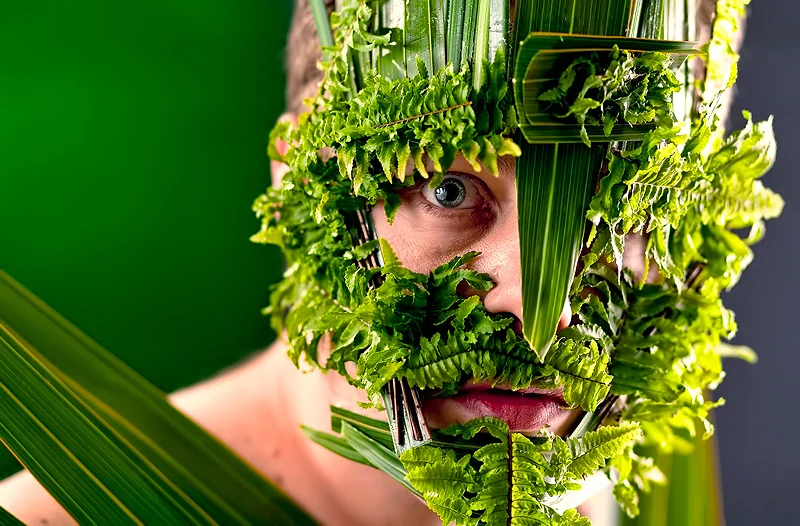
Last of the Boehicans2012
My first serious self-portrait, with a decidedly unserious amount of foliage.
Self-portrait made with help from Debbie, Kiersten and George.
View original entry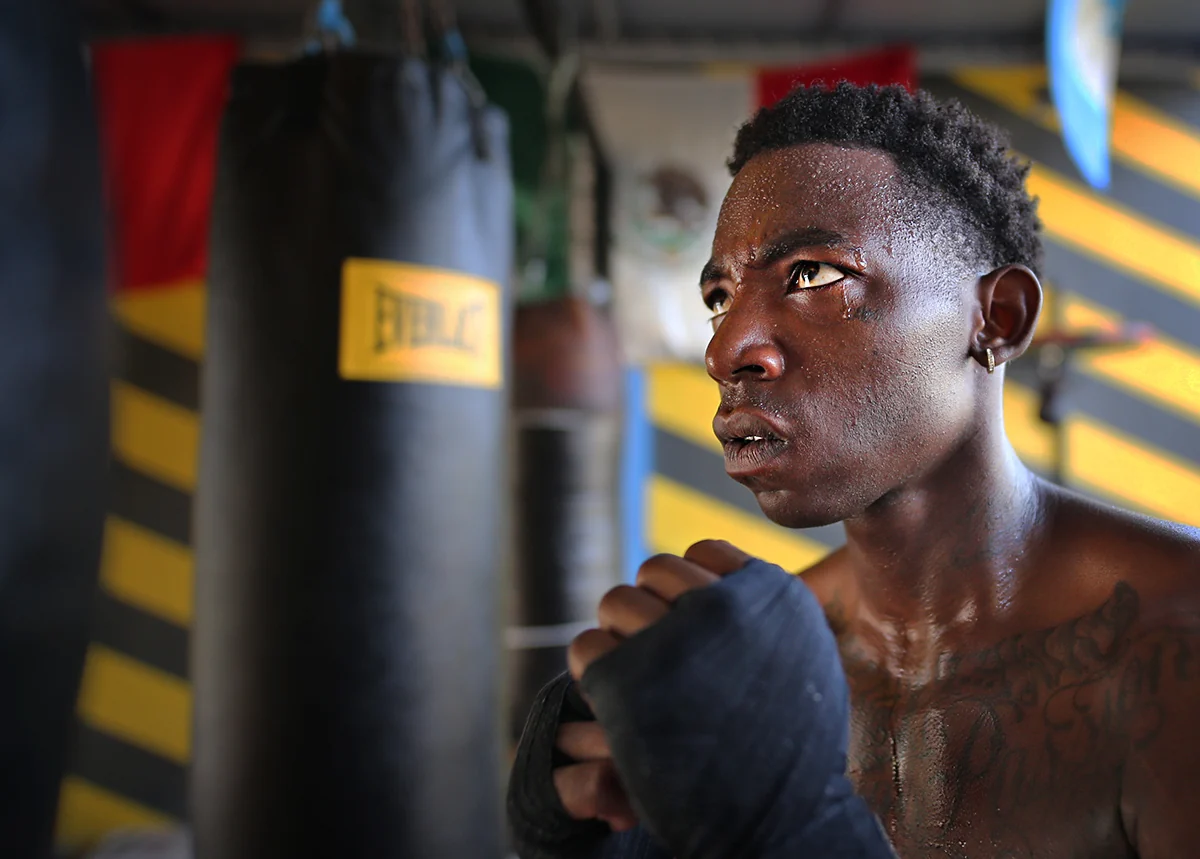
Blood, Sweat & Tears2019
A moment in the gym, between the face, the hands and the work still to do.
View original entryClose enough to notice
Green Dragon was made with a Pixel 4 XL. The iguana was a baby, and I was close enough that the finished picture needed very little cropping. It was my first Free Study blue ribbon made with a phone.
The butterfly is a phone photograph too, from Florida in December 2018, with no elaborate setup outside the frame.
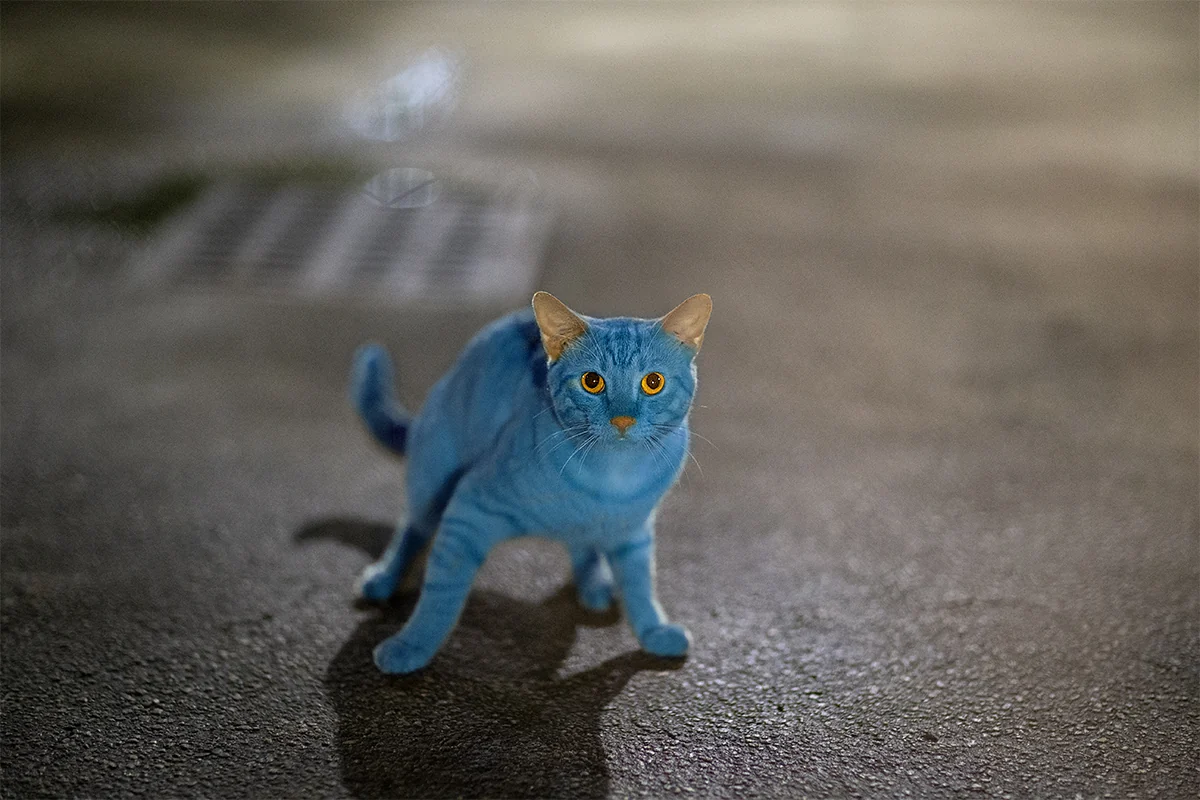
Pandora began as an alley cat seen through a chain-link fence. I deliberately pushed the colors toward the blue world of science fiction, building an invented place out of an ordinary encounter.
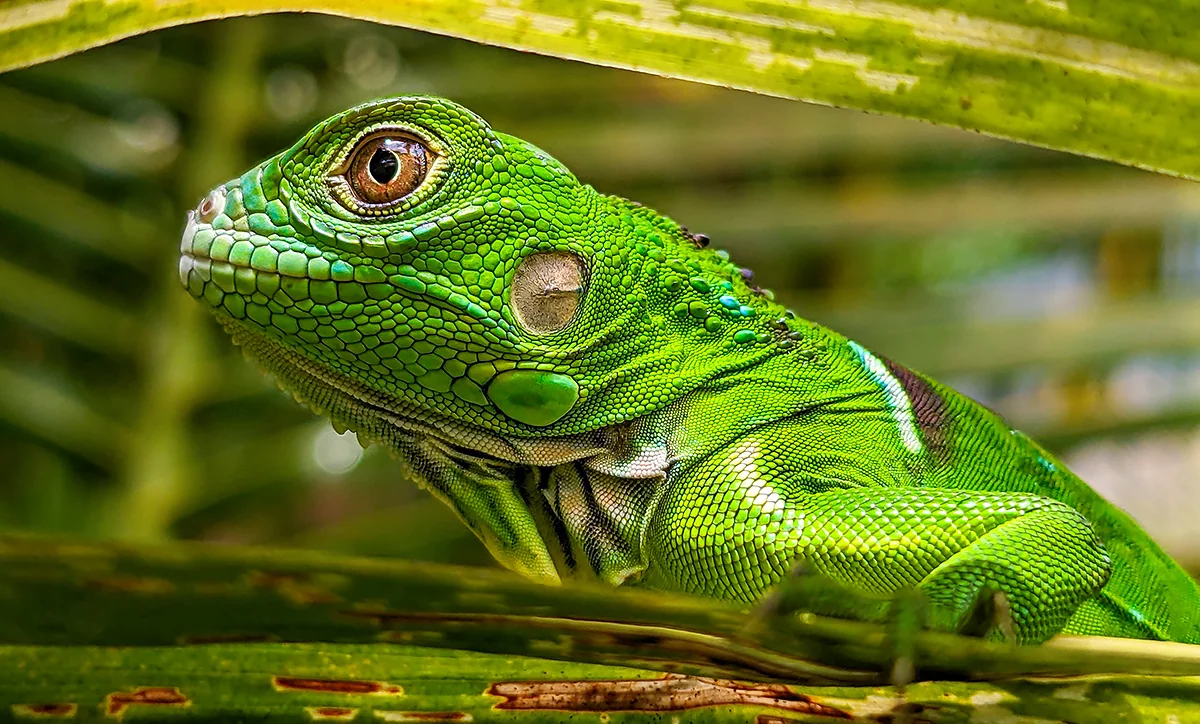
Green Dragon2023
A baby iguana, photographed close up with a Pixel 4 XL in July 2023.
View original entry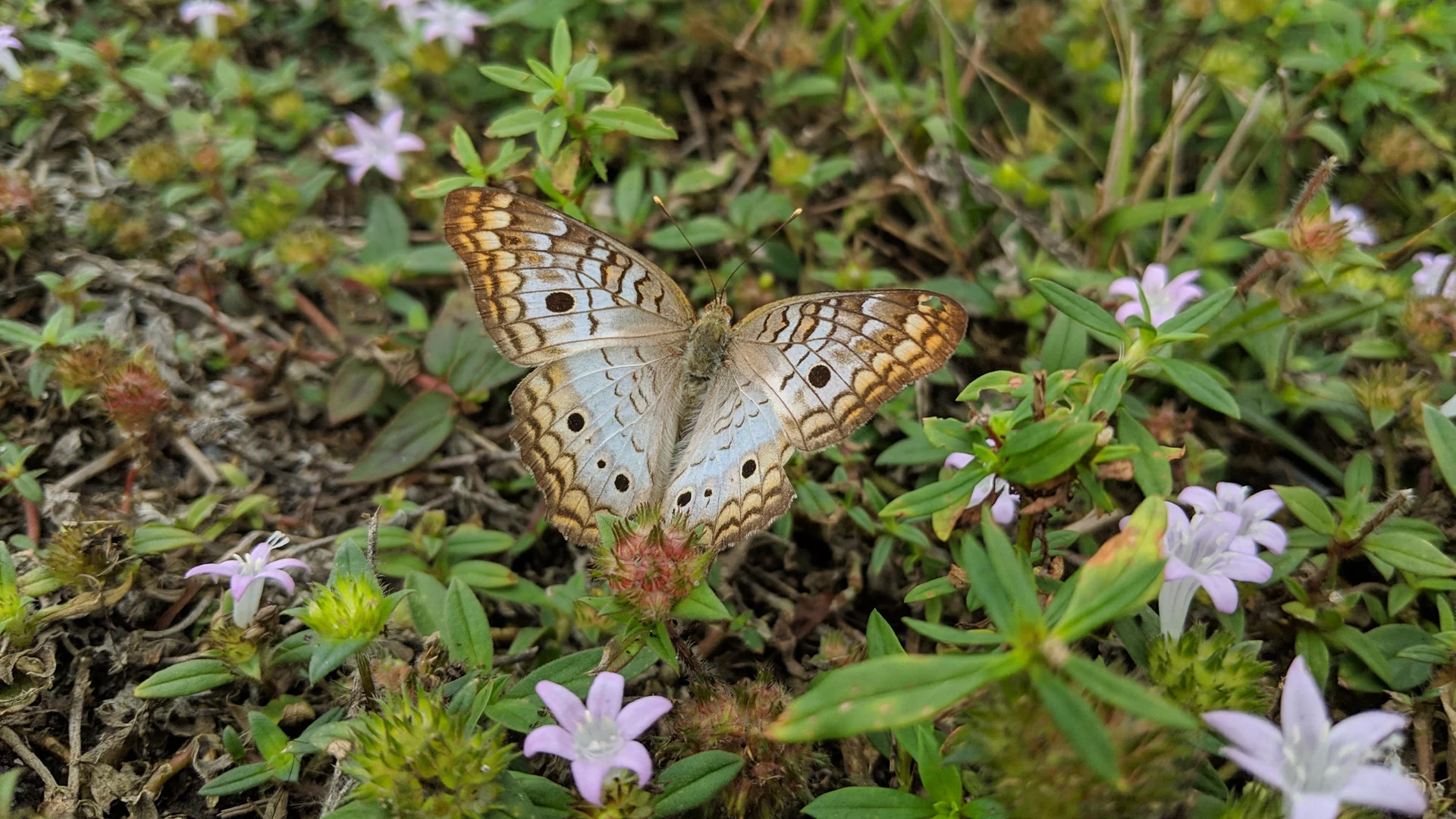
A butterfly in the flowers2018
Florida, December 2018. Made with a Pixel 2 XL.
Then the camera came riding
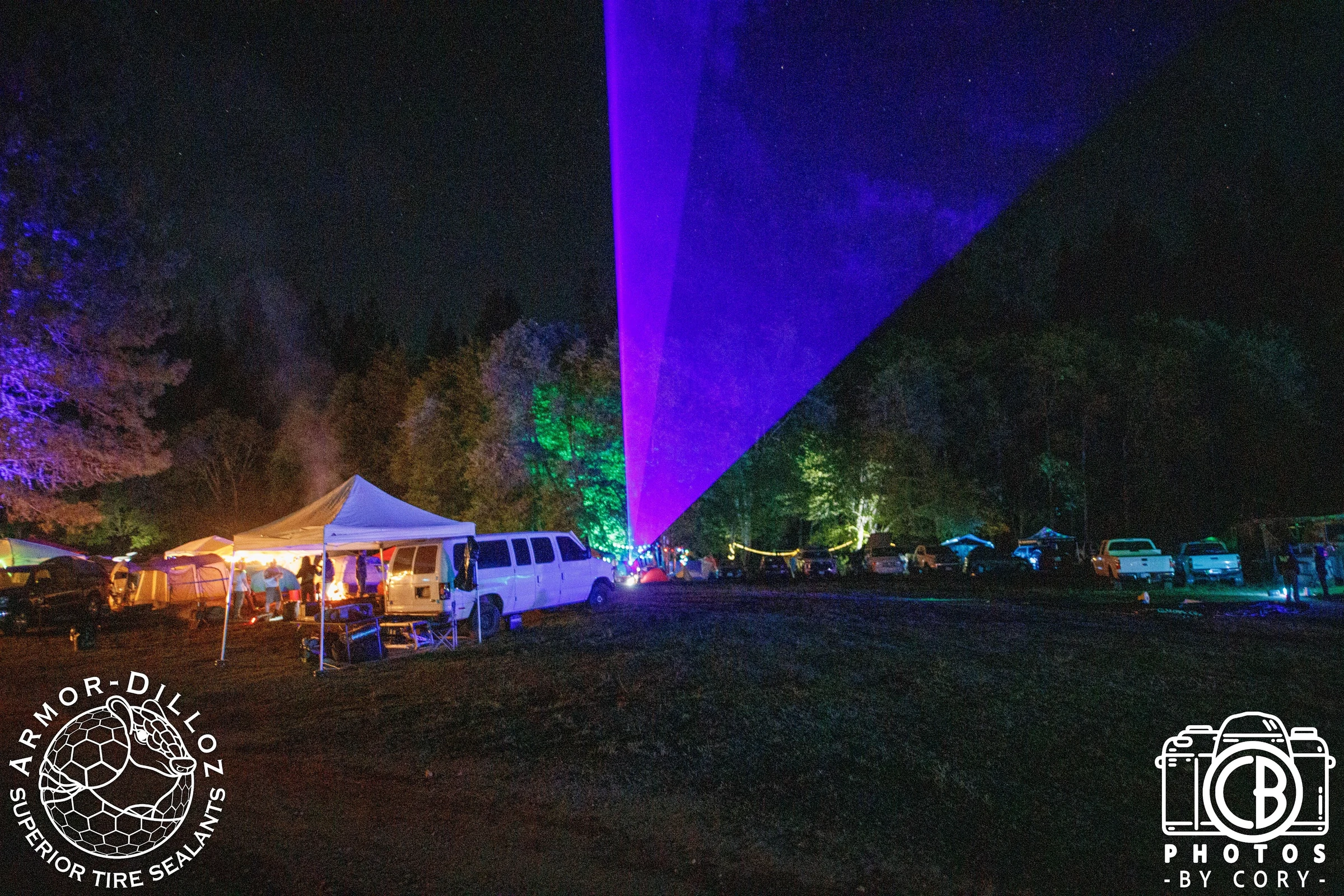
I brought a camera to Float Life Fest 2, and people were so appreciative of the photographs that by Fest 3 I was taking it seriously. Armor-Dilloz helped fund the equipment. The riding photography has its own story on the Riding page.
The challenge work followed me there. For the 2022 Imaginary Magazine Cover challenge, I made Onewheel Magazine from my Oak City Shredfest photographs. I had shot roughly seven thousand frames at the event, and turning one into a cover seemed like a good use for it. I carried the joke far enough to register the domain.
One of these is me. I set up the camera and long lens, handed them to a seated rider and rode through the frame.
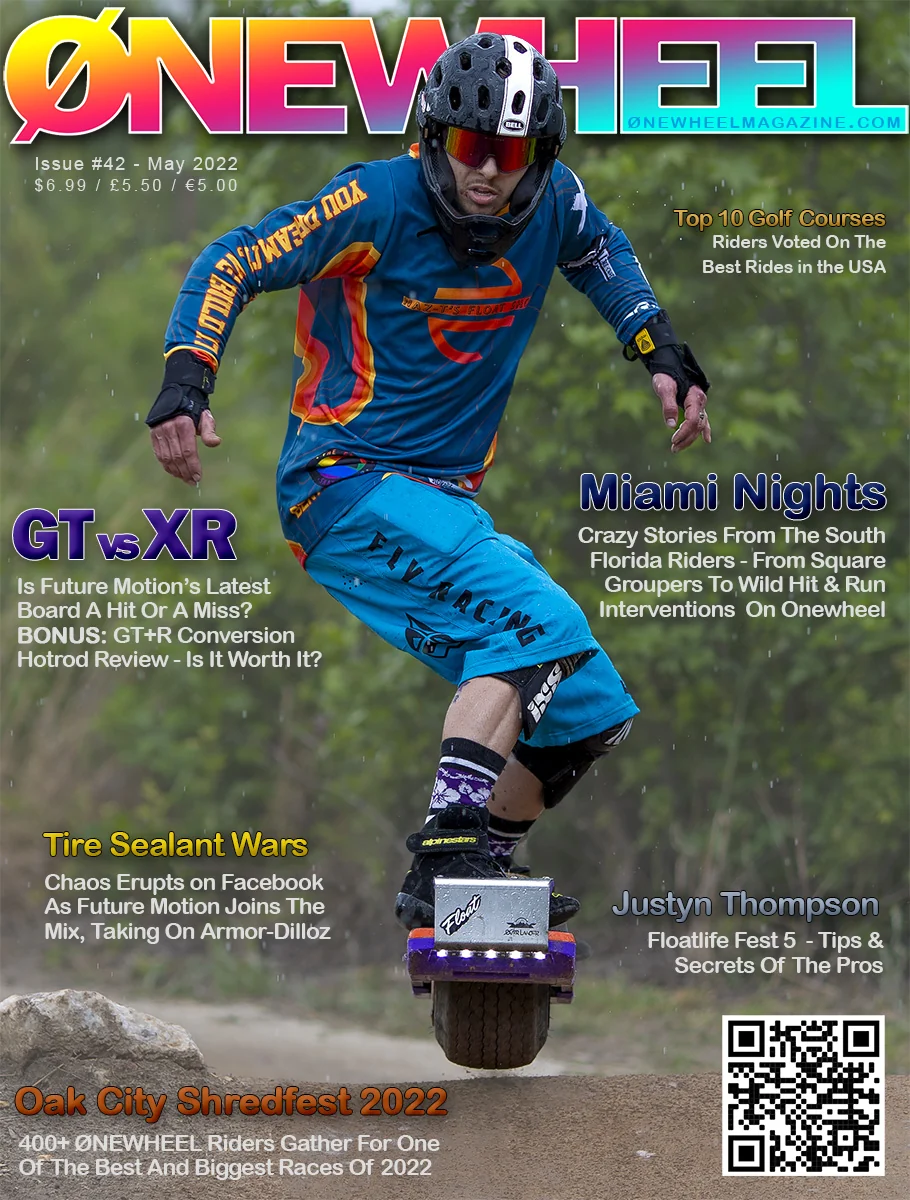
Onewheel Magazine2022
A real Oak City Shredfest photograph on the cover of an imaginary magazine. First place in the 2022 cover challenge.
A competition artwork, not a published magazine.
View original entry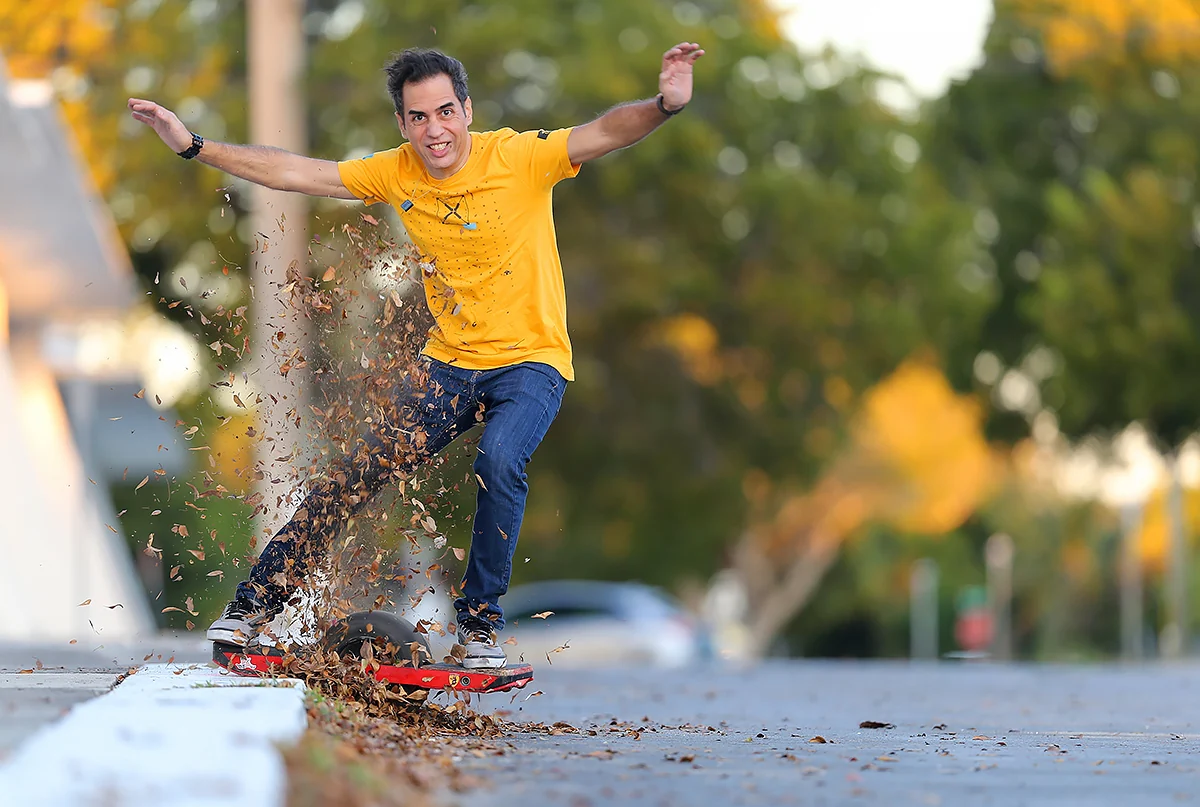
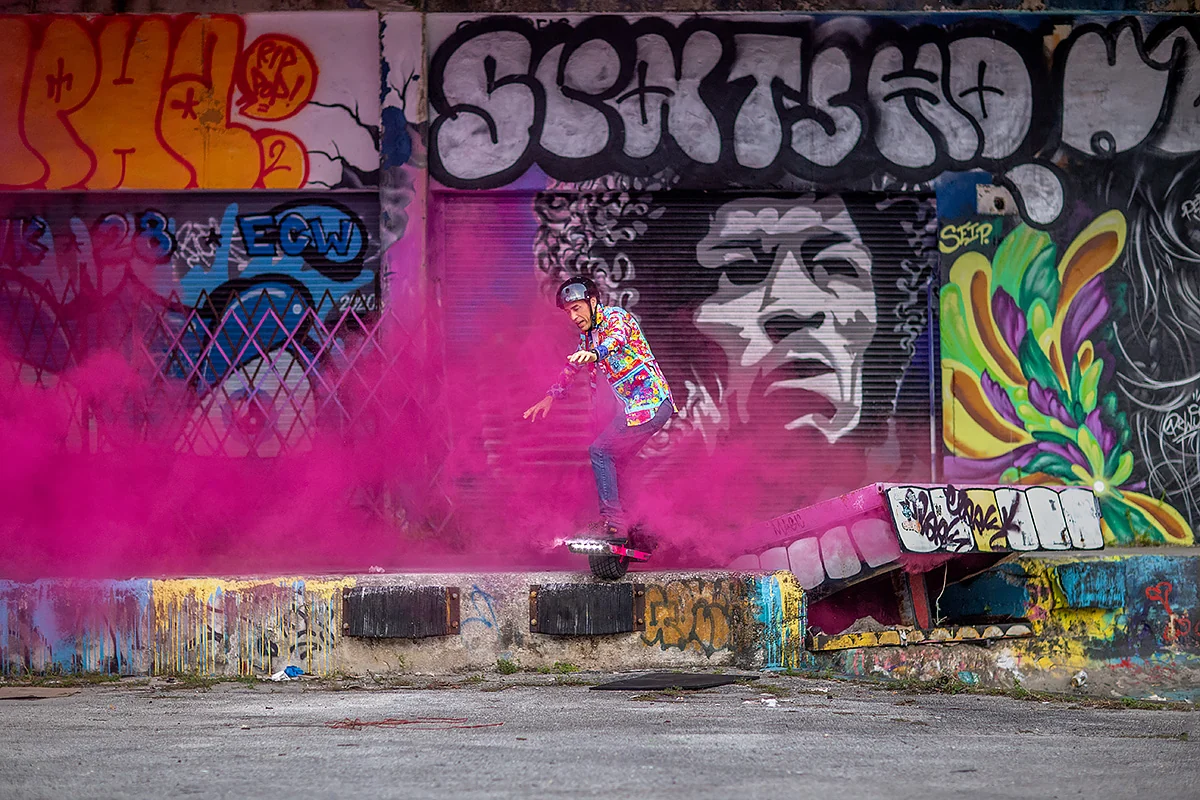
Street style2022
A cloud of pink against a wall of graffiti. A very different riding picture.
View original entry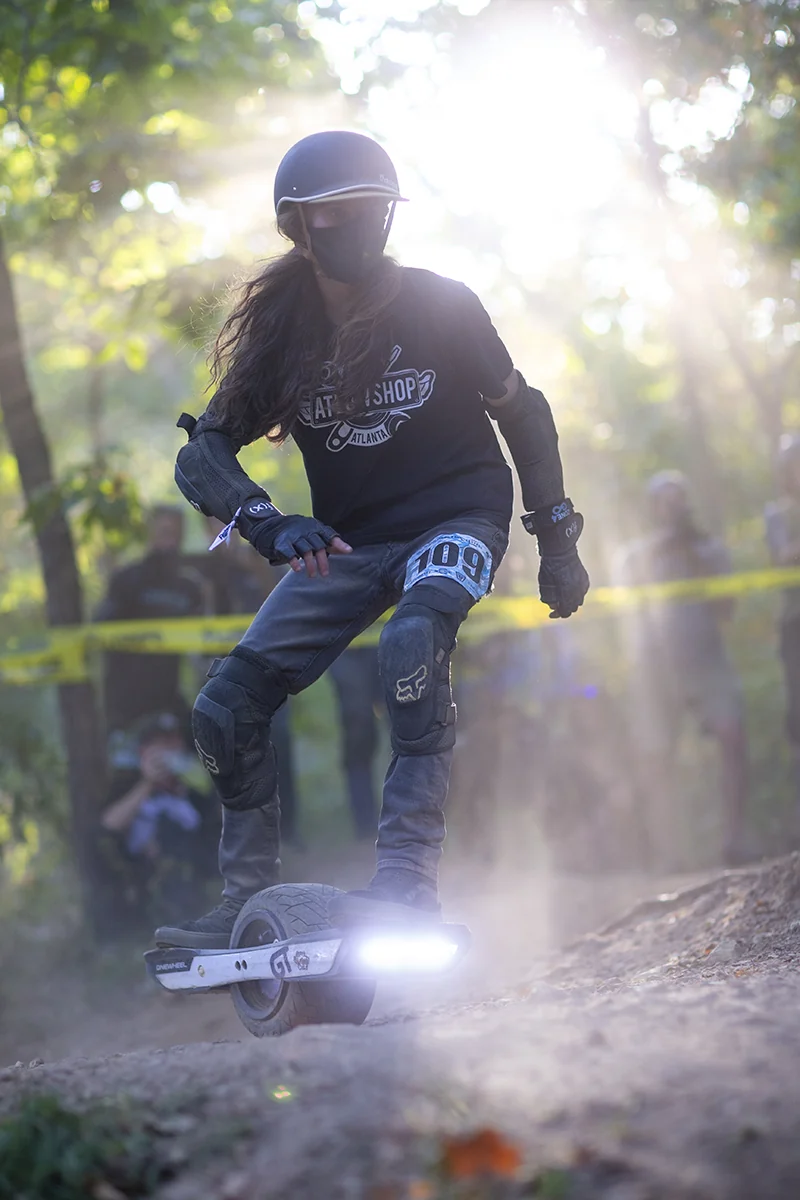
Race Time2022
FloatLife Fest in 2022. The event and the challenge happened to land in the same week.
View original entry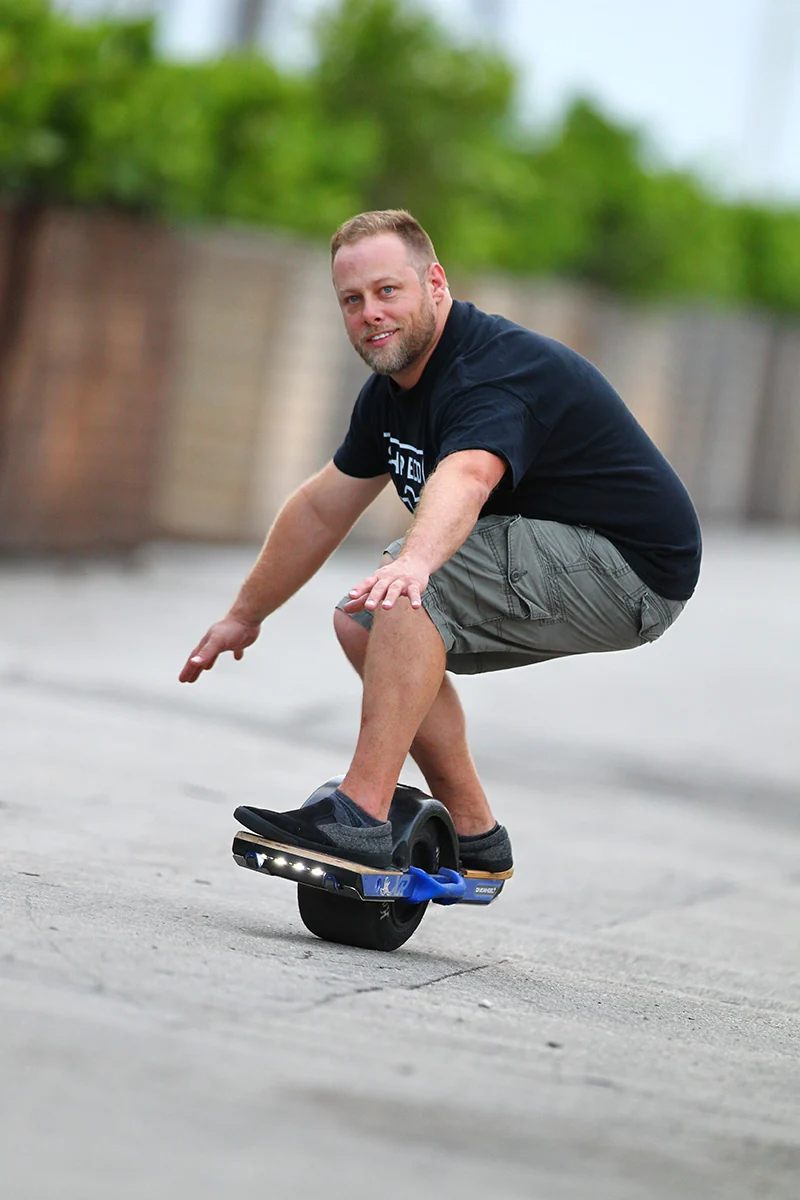
On the other side of the lens2019
That is me riding. I set up the camera and long lens, handed them to a seated rider, and rode through the frame.
Camera setup and direction by Cory; shutter operated by a fellow rider.
View original entryAfter dark at FloatLife Fest X
By FloatLife Fest X in 2026, the riding archive had grown into thousands of photographs. Night riding makes its own demands: the trail disappears, headlights move through the trees, and the rider is only in the light for a moment.
I wanted the setup in this sequence too. The lights beside the trail come before the finished riding pictures, and then the jump, with the rider hanging above the ramp and the woods falling away behind.
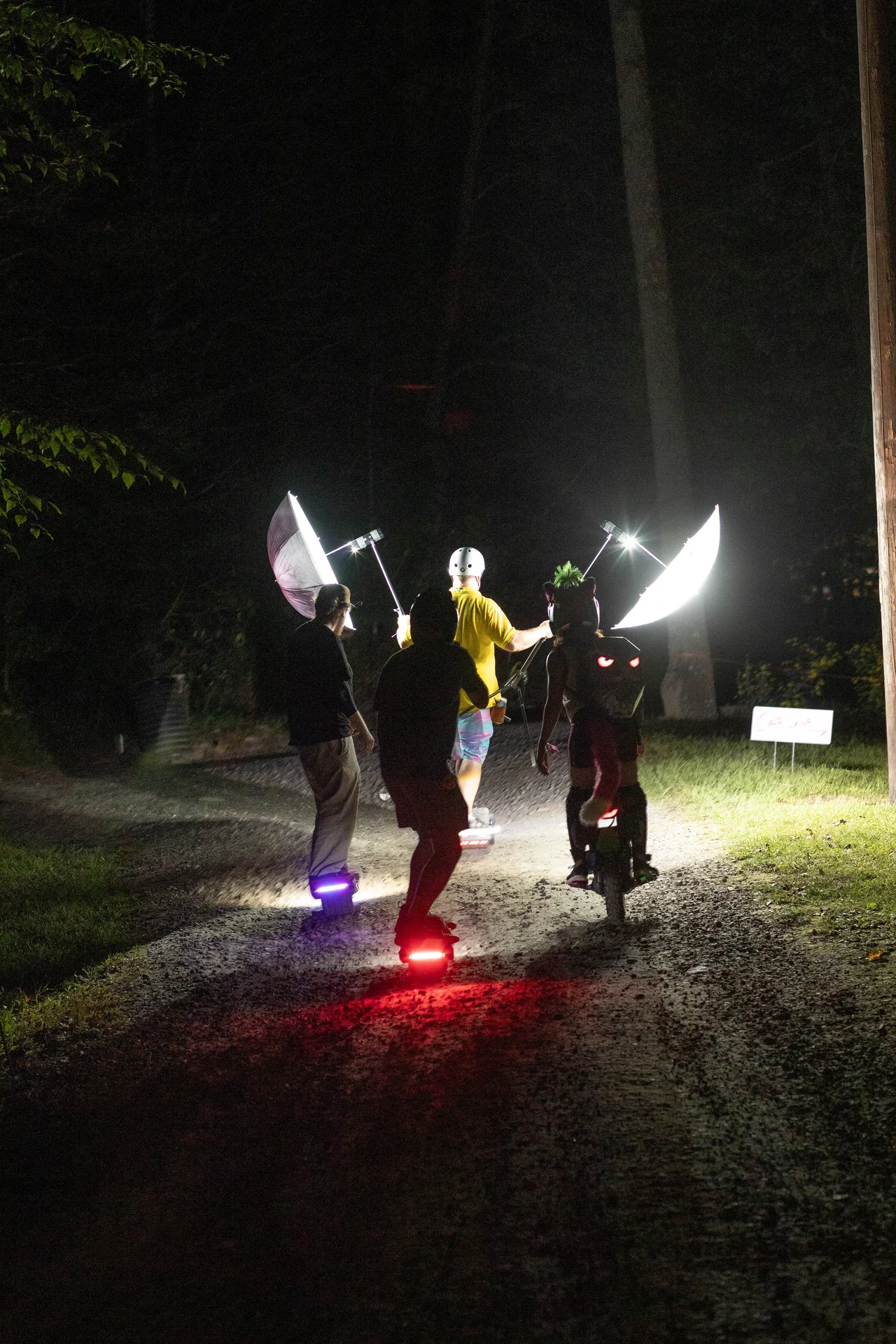
Before the next rider2026
The trail lights and board lights are part of the scene before the next run begins.
Photographs from my FloatLife Fest X archive.
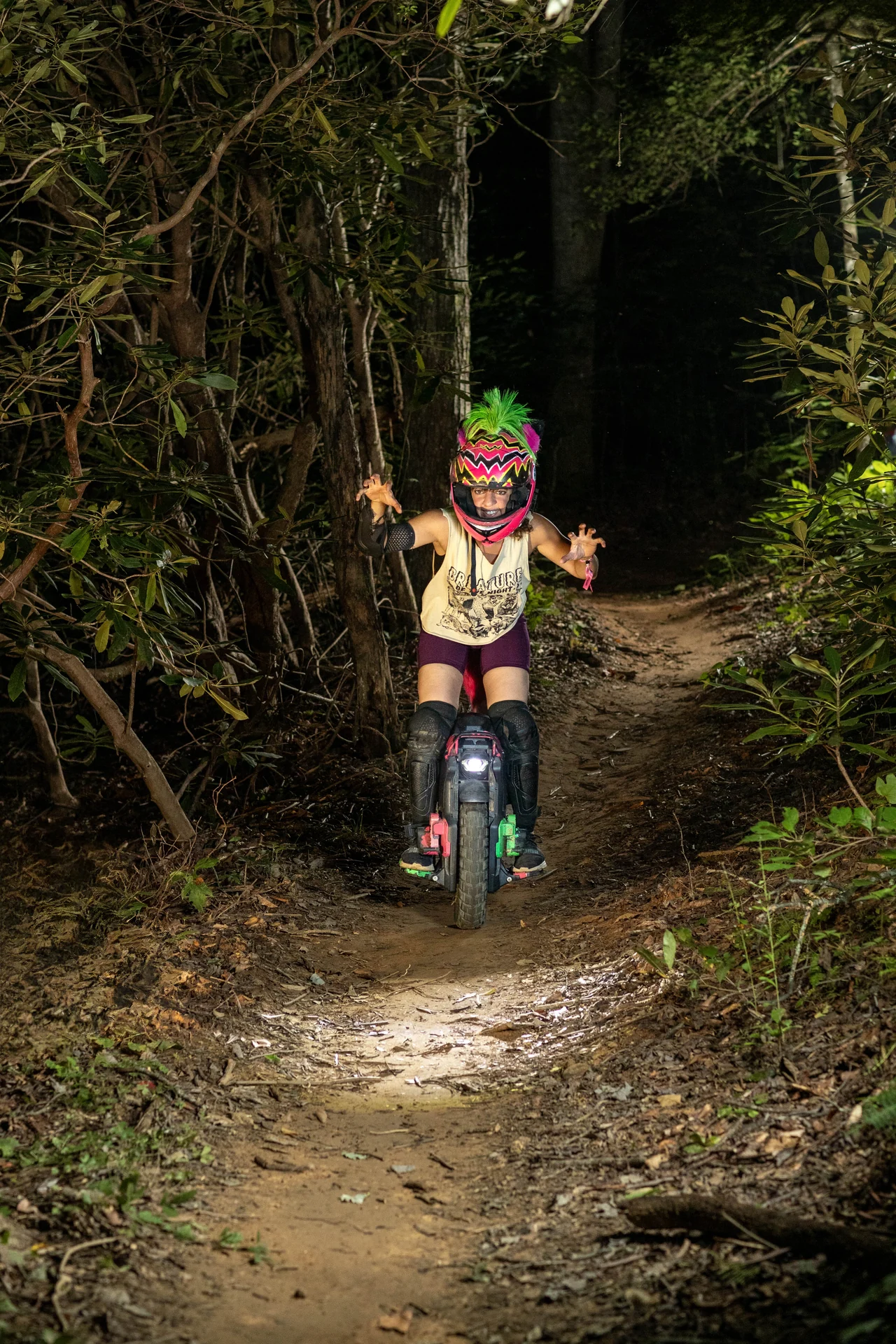
Into the light2026
A bright helmet and jersey appear from the dark woods.
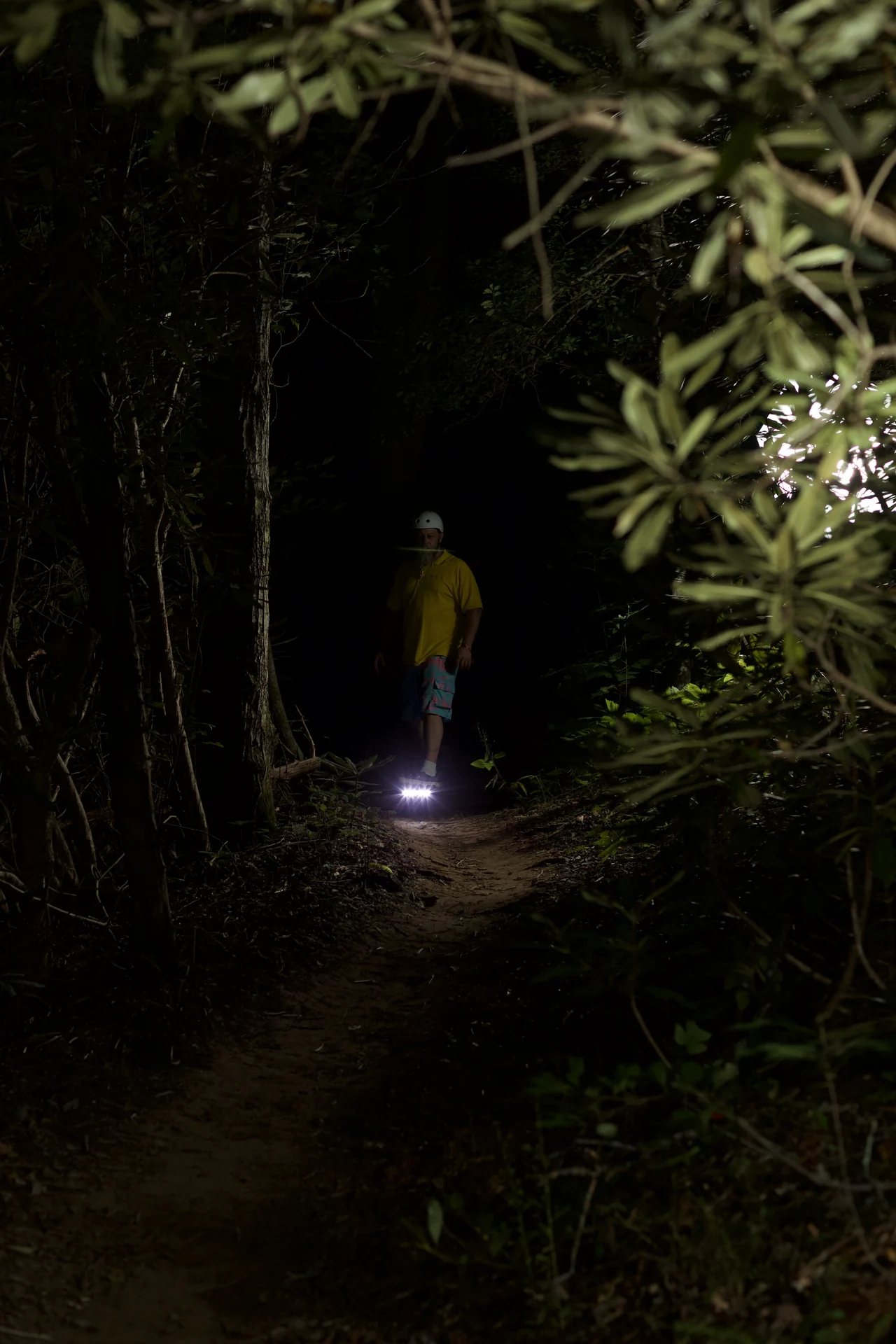
A small light in the trees2026
There is almost nothing outside the small pool of light around the rider.
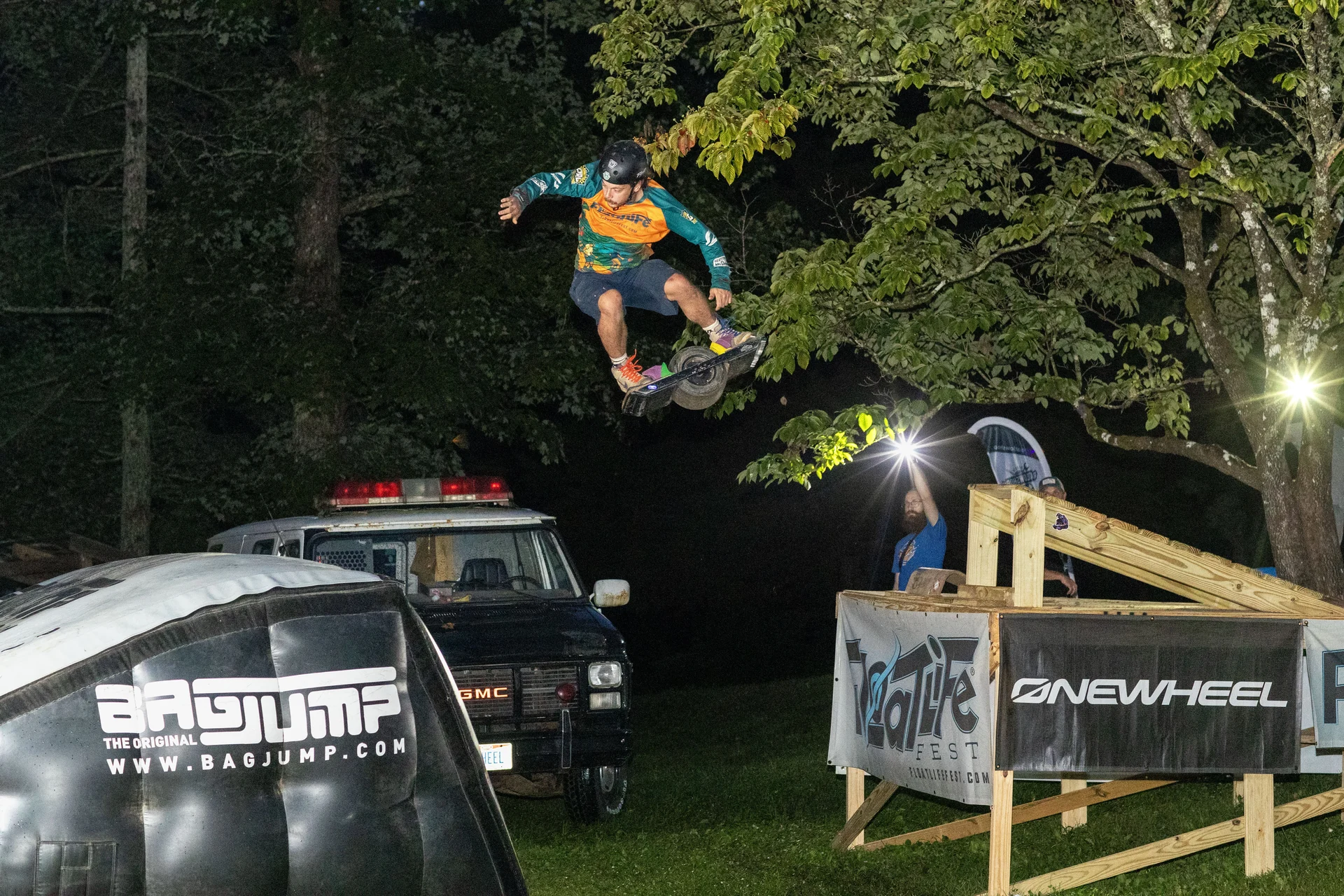
Above the ramp2026
FloatLife Fest X, 2026. A brief stretch of open air above the course.
The whole weekend belongs in the picture
Alex Mononen photographed the racing, the groups of friends, the scene down by the lake and the podiums at FloatLife Fest X, and the photographs in this final set are his. They are an important part of the weekend's collection.
A festival album can hold much more than the race. People gather by the lake, pose for a picture, stop to talk and fit a whole weekend around riding a single wheel. Someone finds their friend in the group shot, or gets a photograph of a turn that felt great.
These days, helping the next generation of shooters get going is a big part of this for me. I want more people bringing cameras, trying things and finding their own way of photographing the riding community. I still enjoy a good challenge, too.
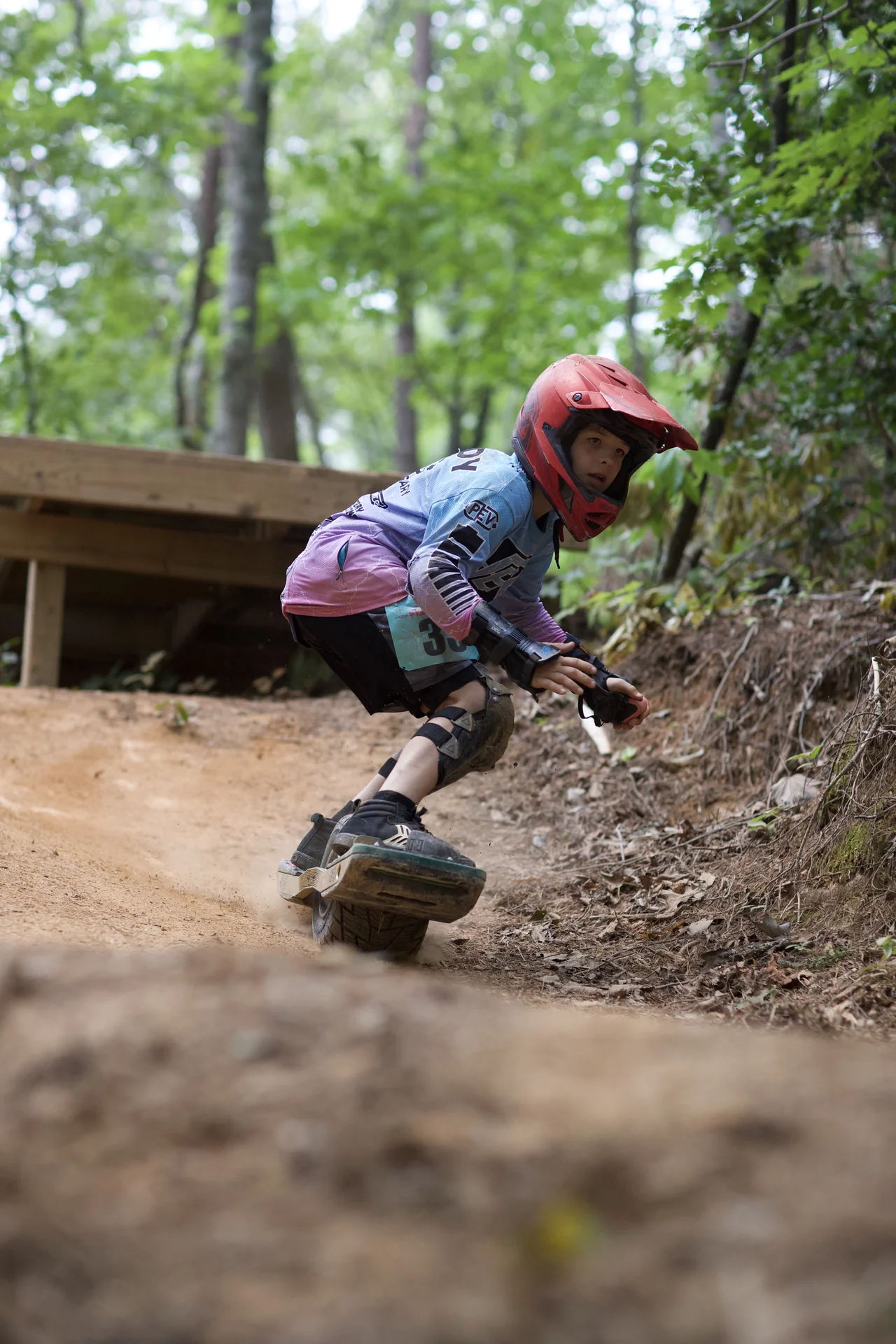
Through the corner2026
A low view of a rider leaning into the dirt turn.
Photograph by Alex Mononen.
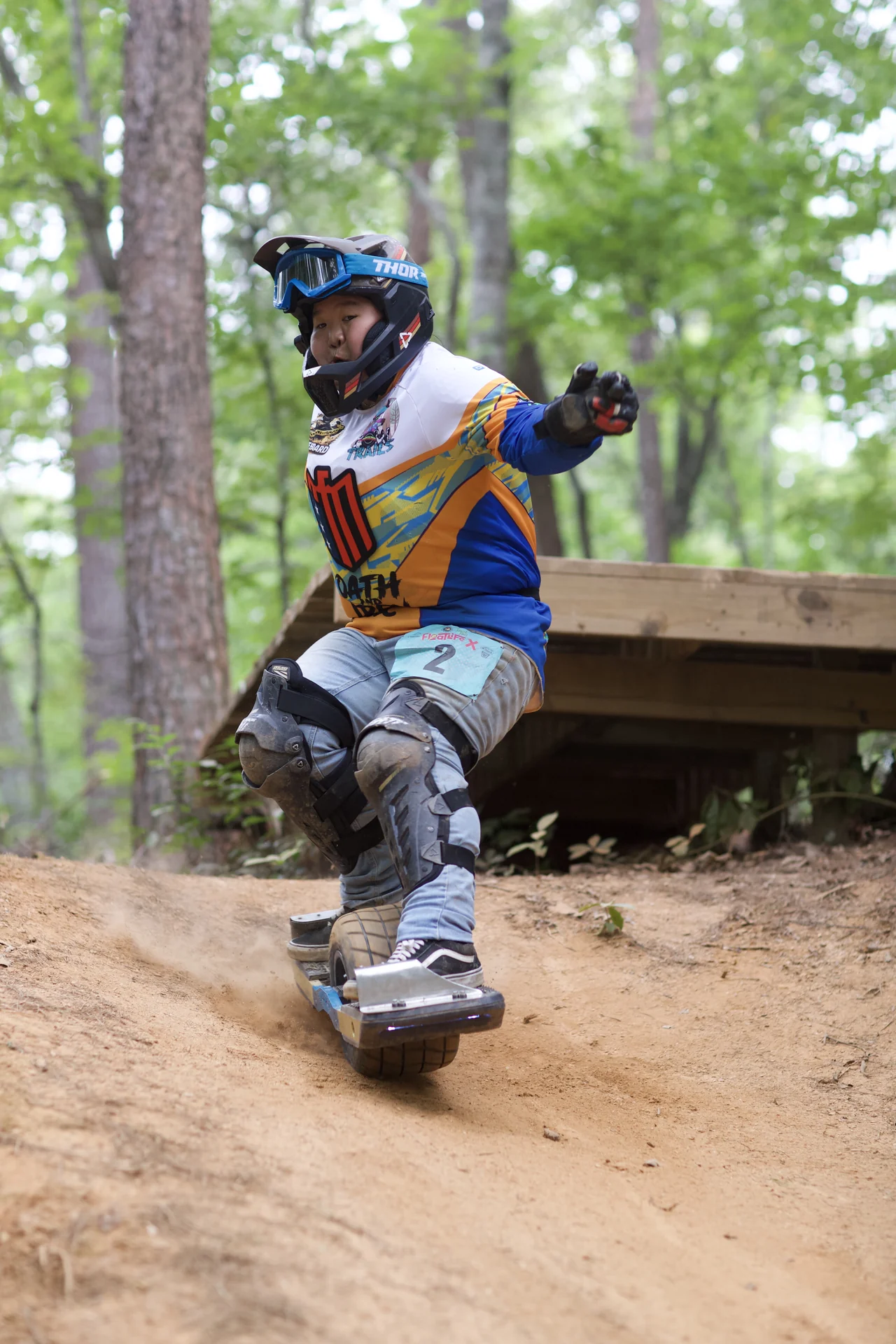
Eyes up2026
Coming through a turn in the woods at FloatLife Fest X.
Photograph by Alex Mononen.
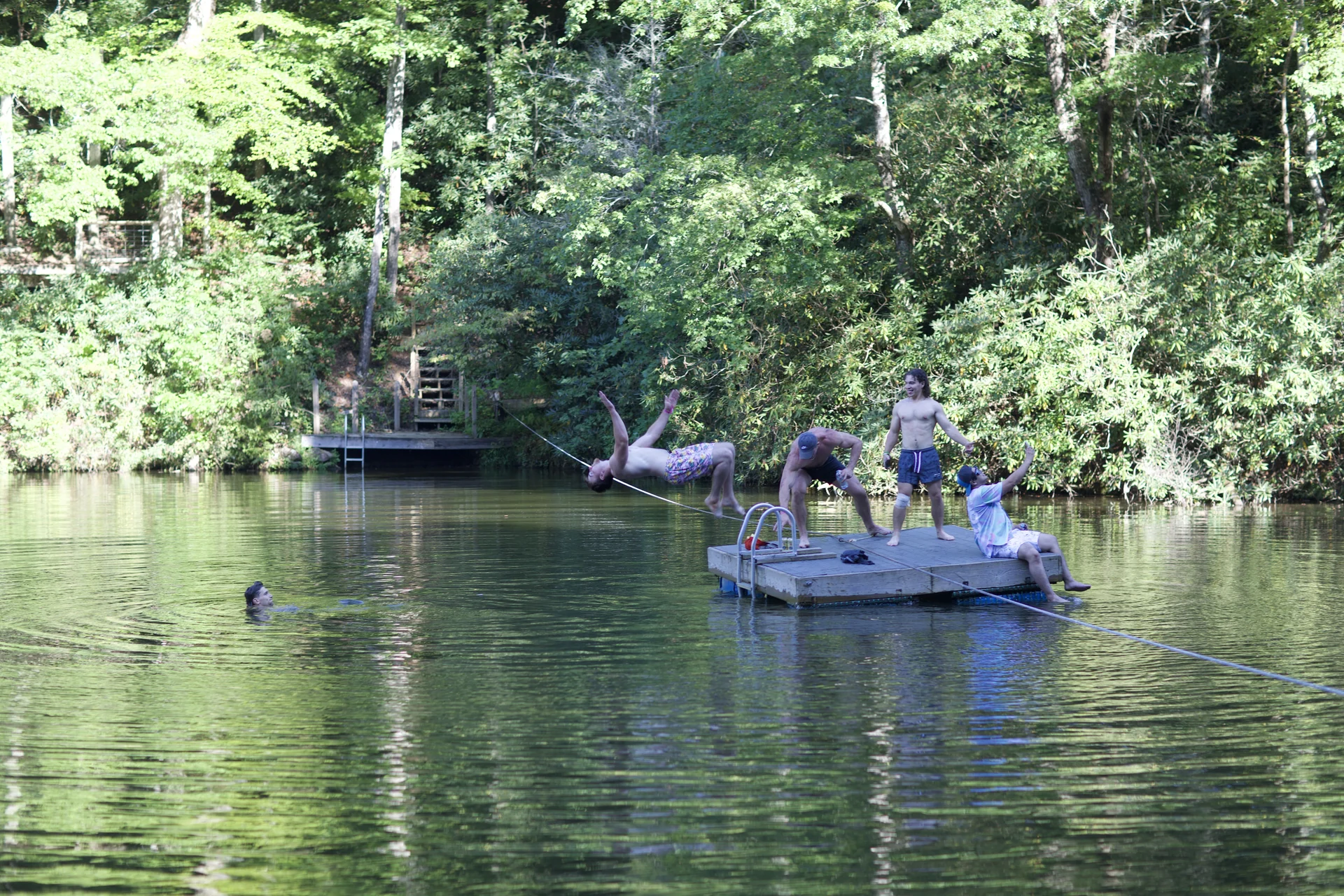
Down by the lake2026
A rope swing, a raft and a little time off the course.
Photograph by Alex Mononen.
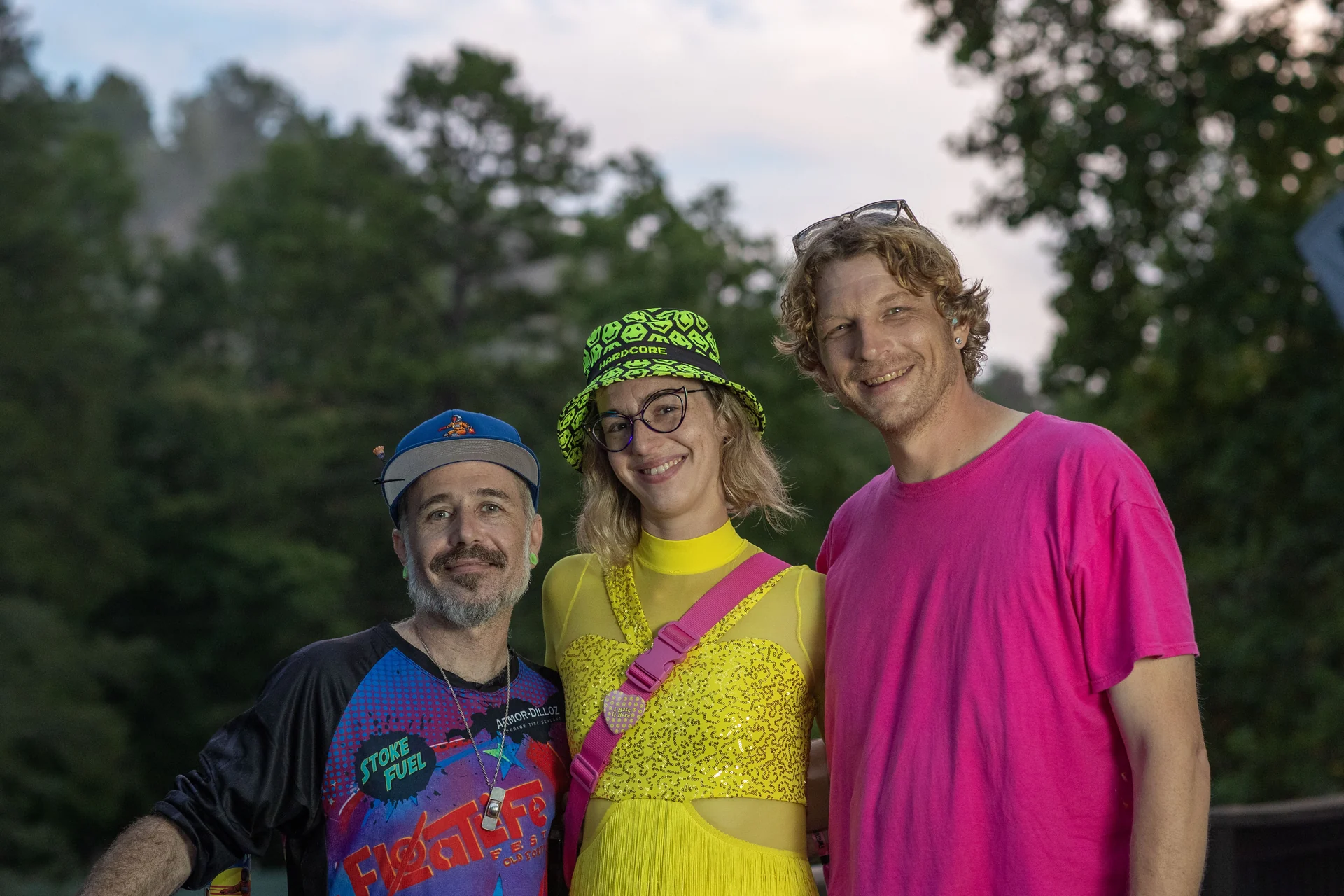
A pause before dark2026
Bright shirts and a quick portrait as daylight fades.
Photograph by Alex Mononen.
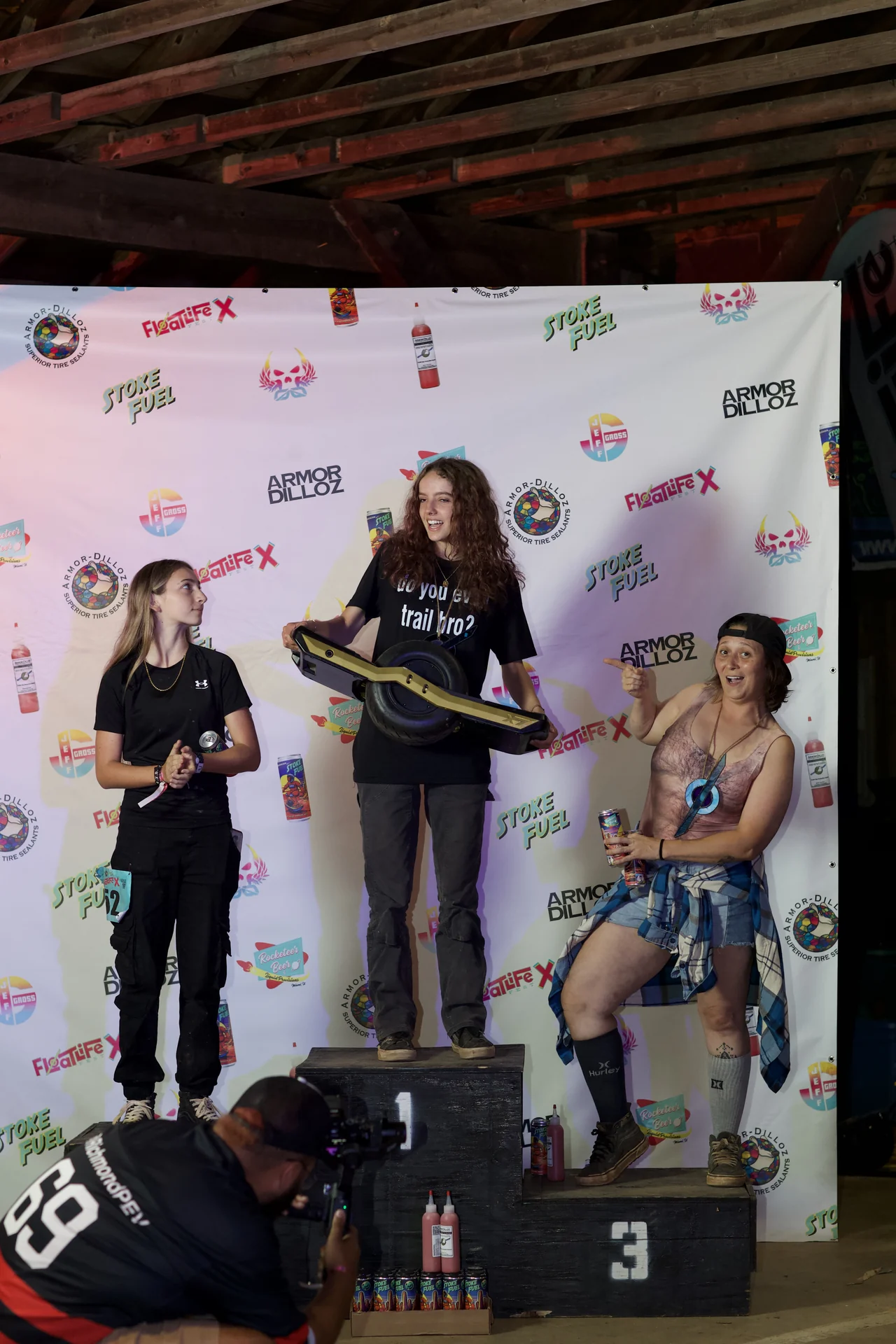
At the podium2026
The winners, the crowd and another camera in the foreground.
Photograph by Alex Mononen.
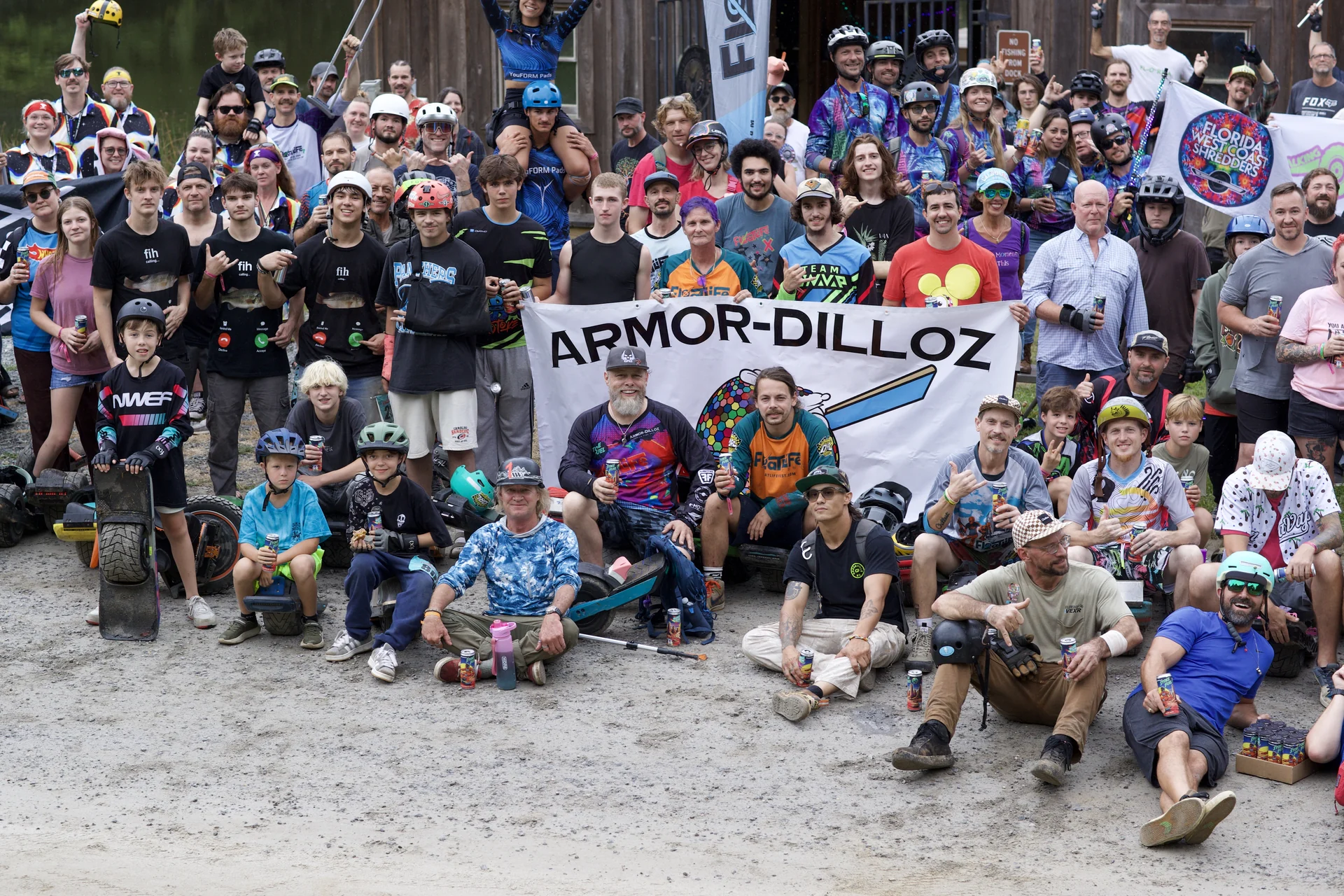
Everybody in2026
Riders, friends, families and boards. There is a lot of the weekend in this one frame.
Photograph by Alex Mononen.
Photographs and stories from my DPChallenge work, travel photographs and Onewheel event archive. The final six FloatLife Fest X photographs are by Alex Mononen. Other collaborators are credited beside the pictures they helped make.