ExploreMineral photography

Small worlds in stone
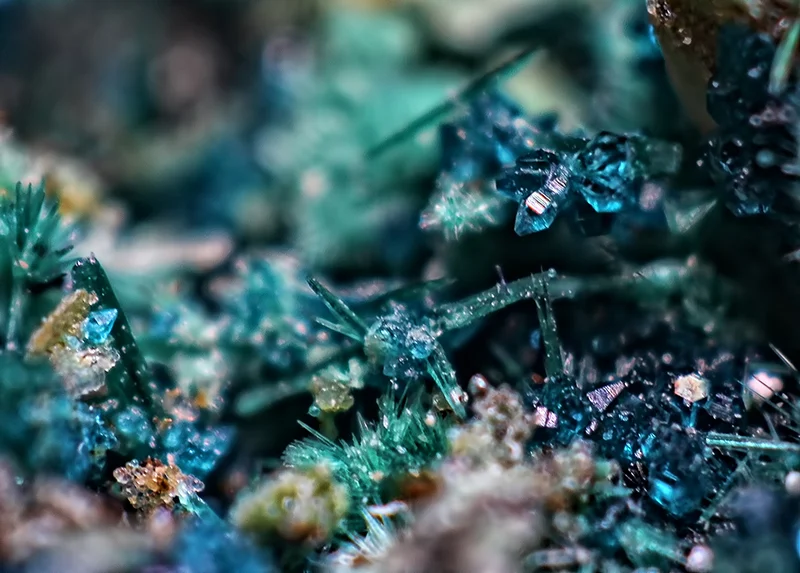
Spangolite and brochantite crystals from the Blanchard Mine, New Mexico.
Spangolite and brochantite, Blanchard Mine, New Mexico. Photo © Cory Boehne. Specimen from Mike Freeman’s collection.

I was photographing minerals before I worked at the New Mexico State Mineral Museum in Socorro. Time with the collection, and with Dr. Virgil Lueth, gave me a much better understanding of the small things I was trying to show.

A small subject with a lot in it

Move close to a mineral and the rock in your hand becomes a collection of surfaces, edges and crystals. A small change in the light can make one part visible while another almost disappears. There is a lot to look at before deciding where the picture begins and ends.

I was already photographing minerals when I went to work at the museum. My studies in geology, mineralogy and structural geology at New Mexico Tech put names and explanations to things that were visually interesting on their own.

Working with Dr. Virgil Lueth

At the museum, I worked under Dr. Virgil Lueth, and I think of the job as helping the curator with whatever needed doing. Incoming material had to be classified. Specimens had to be selected, documented and cataloged. I helped price and sell material that wasn't right for the collection, and I greeted visitors and talked with them about what they were looking at.

There was substantial photography to do, too, and the steady time around specimens made me better at it. Explaining a mineral to a visitor turned out to be good practice. You have to think about what the other person can see and what they might need help noticing. A photograph has to do that on its own, without the specimen or the person explaining it standing beside the viewer.

I remember that time, and working with Dr. Lueth, very fondly. The museum and its exhibits have changed since; its public displays now include mineral localities, meteorites, mining history and an ultraviolet display, with a reference collection supporting research.

Spangolite and brochantite

The specimen shown here holds spangolite and brochantite from the Blanchard Mine in New Mexico. It belongs to Mike Freeman's collection. I made the photograph; the specimen isn't mine, and the credit belongs with it.

Fine green needles cross the darker areas while broader blue-green crystal faces catch much brighter reflections. A few pale and warm patches break up the green. Some edges are sharp enough to follow; others fall away into the softer depth behind them. A tiny shift of attention turns up another surface.

My mineral photographs on Mindat keep the image and the information together. You can browse them for how they look, then follow the mineral names, localities and specimens behind them.

Cory BoehneLet's talk
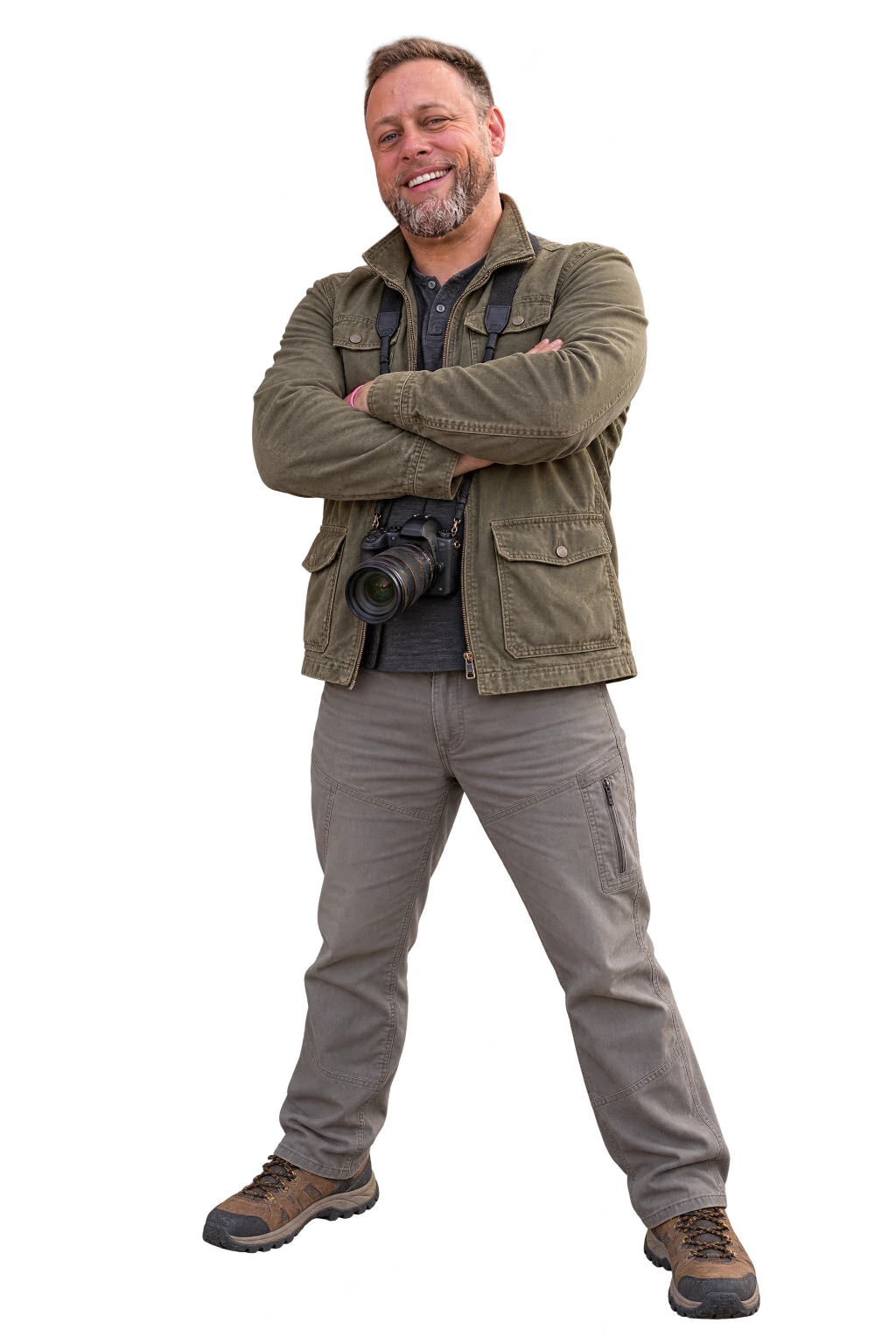
Creative full-body explore portrait of Cory Boehne
07LOOK A LITTLE CLOSER

Look closely.
Then check.

Photography, geology and fieldwork, and a ring-shaped feature on the seafloor off Miami that I have been trying to explain since 2012.

Darkroom, desert, museum, seafloor.

Look closer. Go a little farther.

Leave room
for surprise.

I have carried a camera into the desert, spent a summer excavating and surveying near Farmington, cataloged specimens at a mineral museum and spent more than a decade on one stubborn question about the seafloor.

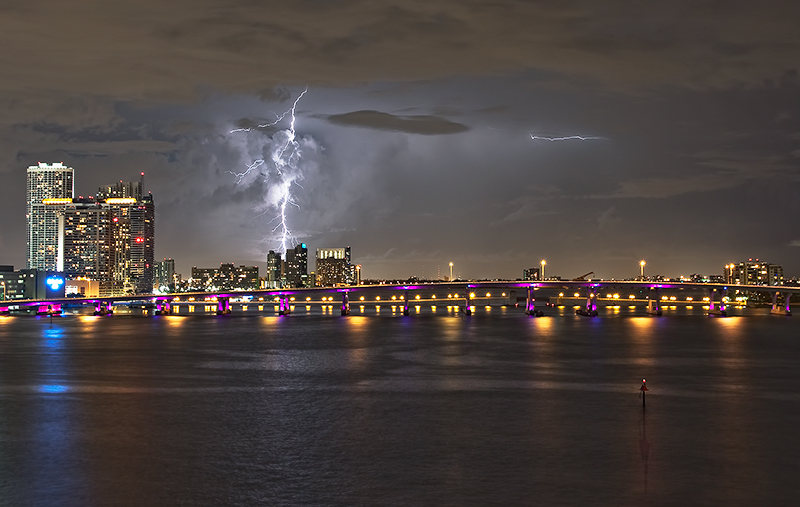
Lightning above the Miami skyline and its reflection in the water.
Miami Monsoon, July 2011. Looking north from the Port of Miami Bridge during a bicycle ride.
Photography

Learning through the lens

Forty photographs, from Miami storms and desert experiments to the people who make the ride.

Read the photo essay
Spangolite and brochantite crystals from the Blanchard Mine, New Mexico.
Spangolite and brochantite, Blanchard Mine, New Mexico. Photo © Cory Boehne. Specimen from Mike Freeman’s collection.
Mineral photography

Small worlds in stone

I photograph specimens closely enough for their structure, surface and color to become small landscapes, and I keep the specimen's name, locality and owner attached.

Look into mineral photography
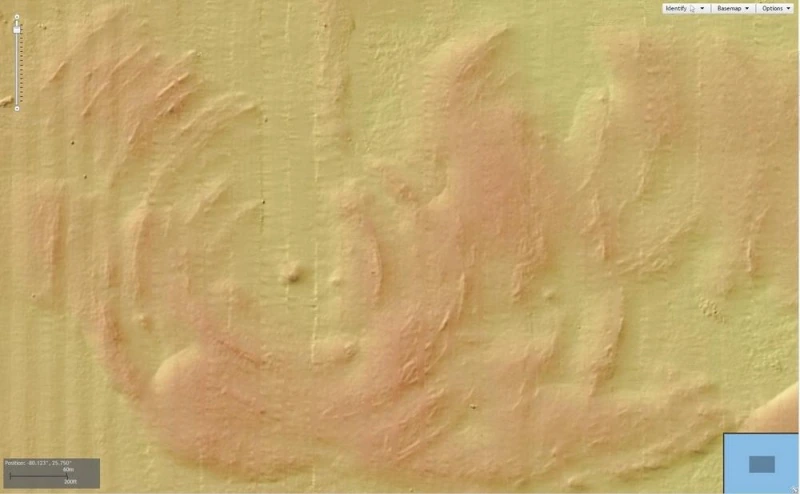
Bathymetry showing a concentric seafloor feature off Miami Beach.
The rings off Miami Beach. Image credited to USGS by Crater Explorer / Charles O'Dale.
Ongoing inquiry

The Miami structure

In 2012, a circular pattern in NOAA bathymetry off Miami caught my attention. I have kept testing an impact hypothesis against other explanations, and it remains a hypothesis. A 2020 field study attributed the feature to dissolving rock.

Follow the evidence trail
San Juan College
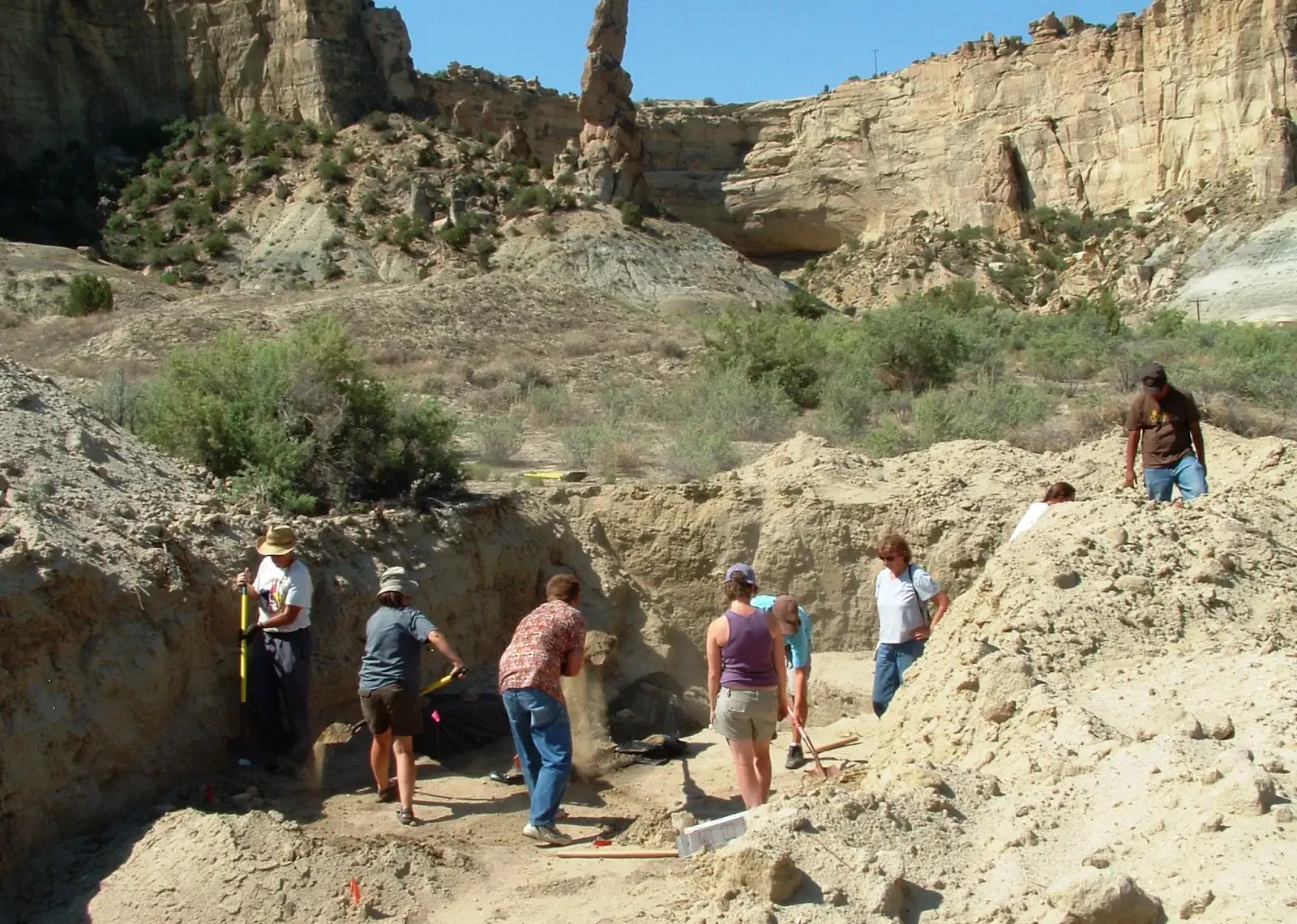
Field-school participants working in an excavation beneath tall New Mexico canyon walls.
A summer in the field with San Juan College.
Archaeology fieldwork

A summer in the field near Farmington.

With a San Juan College field school, I spent a summer surveying and excavating on B-Square Ranch, first at a small homesite and kiva, then at a Great House site.

Read the field note
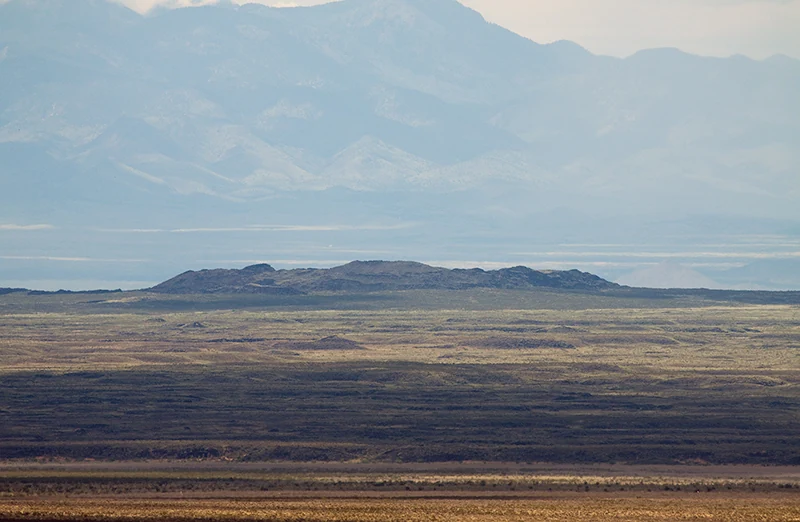
Low dark rim of Jornada del Muerto Volcano across a sunlit New Mexico plain, with mountains beyond
Looking north toward Jornada del Muerto Volcano, August 1, 2010. Photograph by Cory Boehne. Converted to WebP. Original photograph / CC BY-SA 4.0
New Mexico / August 2010

Looking north across Jornada del Muerto.

When I lived in Socorro, I spent a lot of time in the remote country around it. I liked places where the distance to the next person became part of the experience.

The ground around Jornada del Muerto Volcano is so flat that a clear vantage point takes some searching. I found one and made this photograph looking north across the plain on August 1, 2010. It later found another life on Wikimedia Commons.

Family and life in Miami Photography in the riding community

Out in the field.
Back at the workbench.

A field school near Farmington, a museum collection in Socorro, a disputed feature off Miami and a long-running fascination with light.

2 entries
Follow it further

Keep following the questions.

More photographs on the Riding page, and the family stories on Personal.

Compare notes

Worth a
closer look?

I'm always glad to compare notes on photography, minerals, field research or a question that refuses an easy answer.

Compare notes