ExploreExperiments with light

Following the light

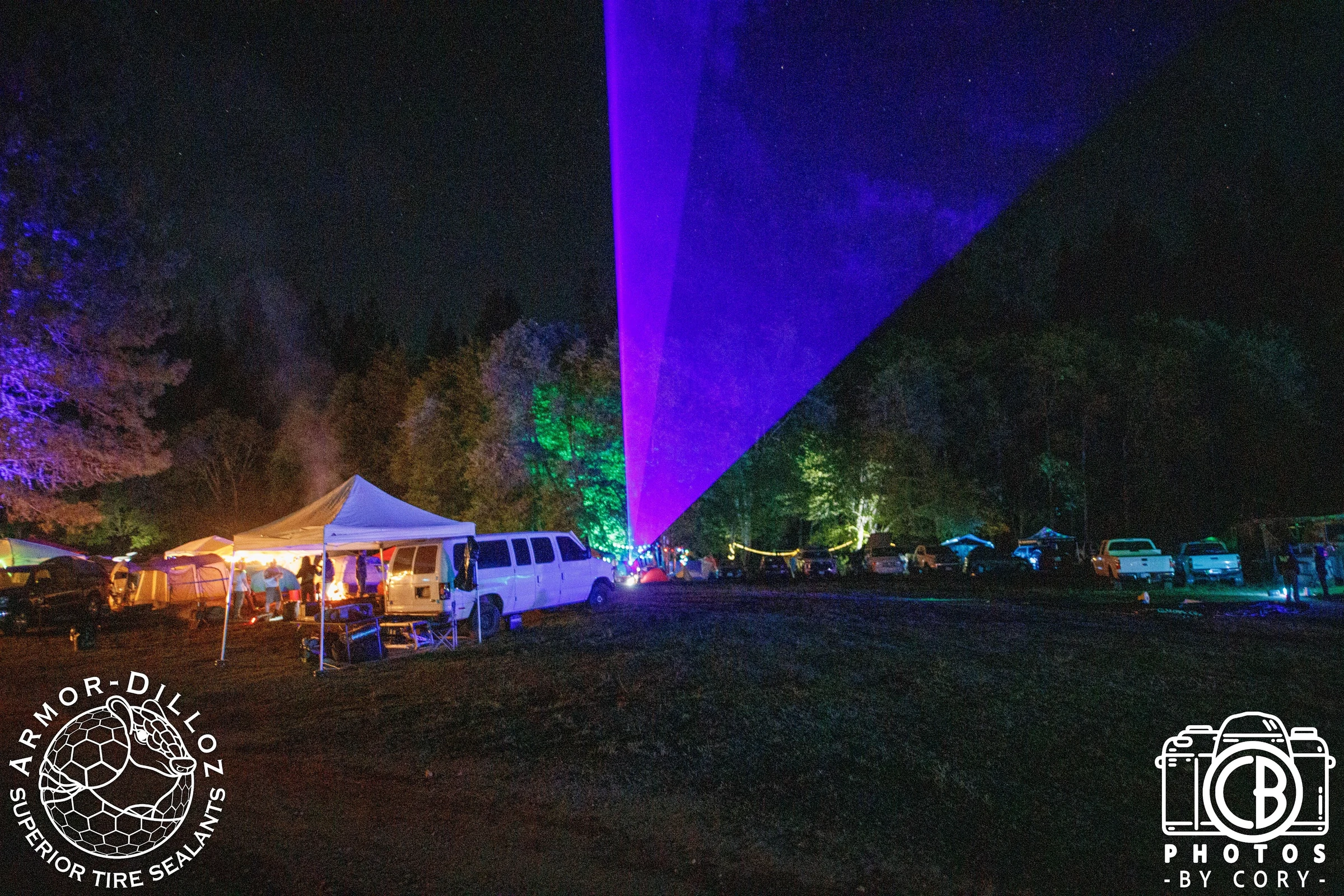
Purple laser beams fan out above the festival camp at night.
Seek N’ Shred, June 2024. Photograph by Cory Boehne.

I started with laser science projects as a kid, and light has kept giving me new reasons to pay attention: through a camera, at festivals after dark and on the screen of a thermal camera.

Helium-neon, then diodes

My first laser science projects used helium-neon tubes, somewhere in the late 1980s or early 1990s. The attraction was simple: here was something I could build that made an idea from physics visible.

I grew up making things, so an interest usually became a project quickly. Later I moved to diode lasers and made personal builds from diodes salvaged from projectors. I liked understanding the parts well enough to make something of my own.

Then there was the camera

Photography gave the same fascination another outlet. A mineral surface can change completely with the angle of the light. A storm can rearrange a skyline. Whether the subject is a specimen, a competition assignment or a riding event, the camera is a way of working with light and making a picture out of it.

After dark at the festivals

The festivals put cameras and lasers in the same scene. At Oak City Shredfest in May 2024, I photographed a person surrounded by blue and violet haze. You can make out a face and hands, but most of the picture is light filling the space around them.

A month later at Seek N' Shred, I photographed a wide fan of purple beams above the camp, with vans and tents giving the scene its scale. It's a long way from a racer coming at the camera in daylight, though both came from the same kind of weekend. An event keeps going after the last run, and the lights at night are part of what there is to photograph.
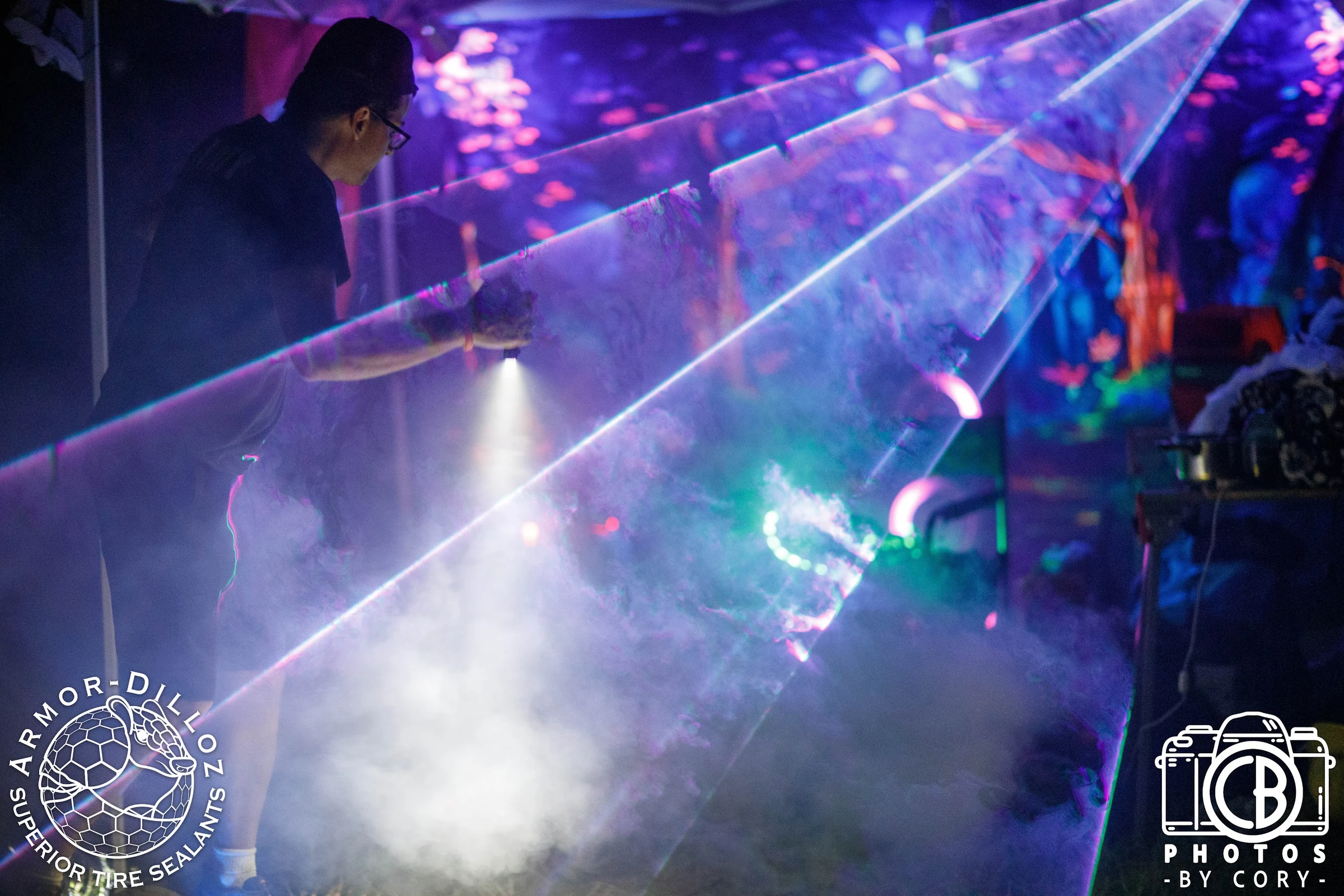
A festivalgoer surrounded by blue and purple light and haze at night.
Oak City Shredfest, May 2024. Photograph by Cory Boehne.

Seeing heat

Through reliability work, I have had some professional experience with thermography. A thermal camera shows differences in heat your eyes can't see, which can help when you're trying to understand what a piece of equipment is doing.

The photograph here is from 2018: a handheld FLIR camera pointed at a ceiling, its colored image on the little screen. My thermography experience comes through reliability work; I am not a certified thermographer.
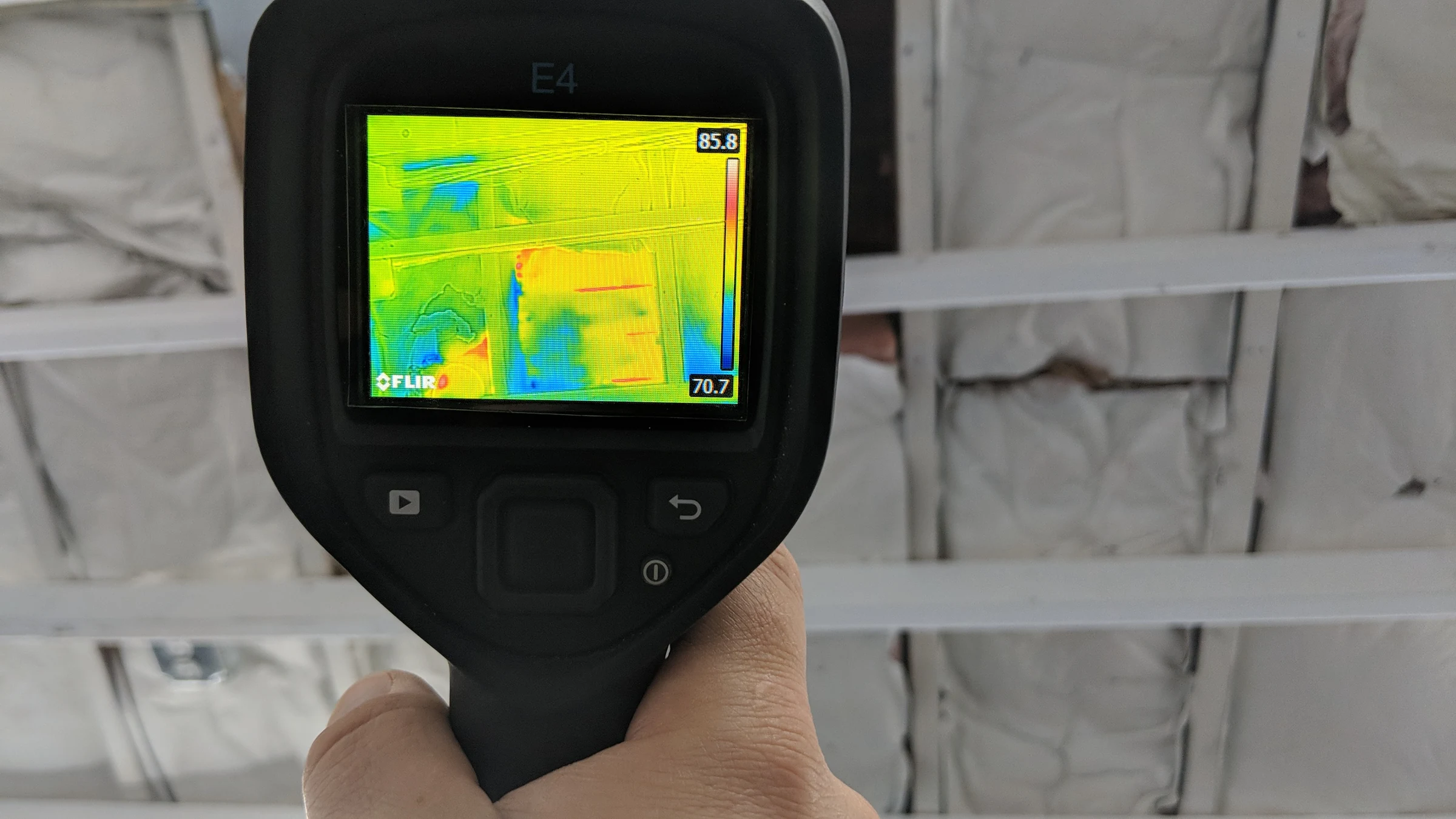
A hand holding a FLIR thermal camera pointed at a ceiling.
A different view through a thermal camera, September 2018.
Cory BoehneLet's talk
Creative full-body explore portrait of Cory Boehne
07LOOK A LITTLE CLOSER

Look closely.
Then check.

Photography, geology and fieldwork, and a ring-shaped feature on the seafloor off Miami that I have been trying to explain since 2012.

Darkroom, desert, museum, seafloor.

Look closer. Go a little farther.

Leave room
for surprise.

I have carried a camera into the desert, spent a summer excavating and surveying near Farmington, cataloged specimens at a mineral museum and spent more than a decade on one stubborn question about the seafloor.

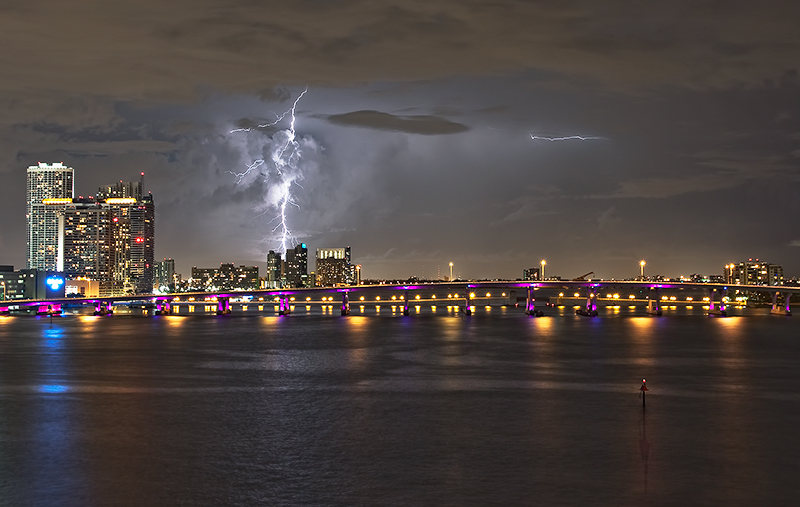
Lightning above the Miami skyline and its reflection in the water.
Miami Monsoon, July 2011. Looking north from the Port of Miami Bridge during a bicycle ride.
Photography

Learning through the lens

Forty photographs, from Miami storms and desert experiments to the people who make the ride.

Read the photo essay
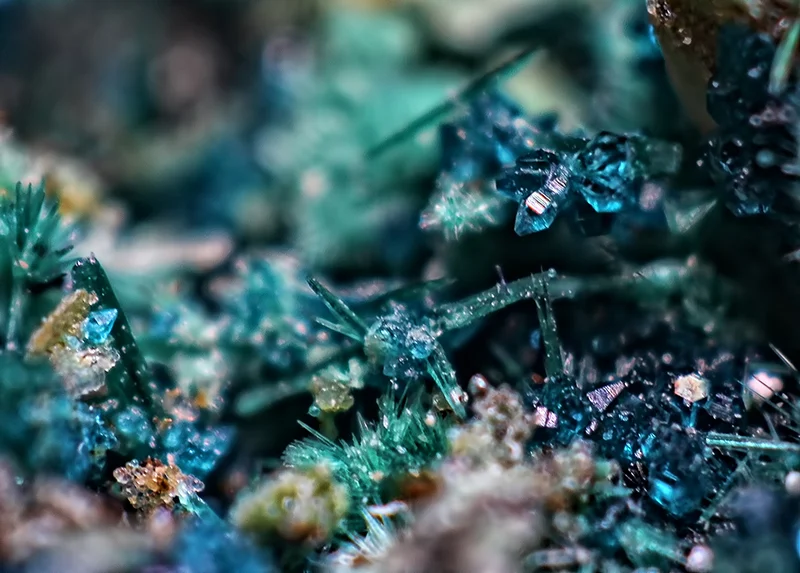
Spangolite and brochantite crystals from the Blanchard Mine, New Mexico.
Spangolite and brochantite, Blanchard Mine, New Mexico. Photo © Cory Boehne. Specimen from Mike Freeman’s collection.
Mineral photography

Small worlds in stone

I photograph specimens closely enough for their structure, surface and color to become small landscapes, and I keep the specimen's name, locality and owner attached.

Look into mineral photography
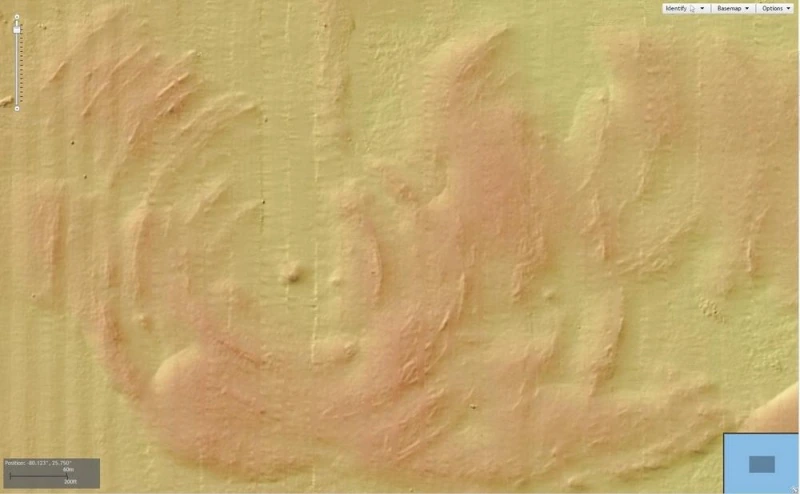
Bathymetry showing a concentric seafloor feature off Miami Beach.
The rings off Miami Beach. Image credited to USGS by Crater Explorer / Charles O'Dale.
Ongoing inquiry

The Miami structure

In 2012, a circular pattern in NOAA bathymetry off Miami caught my attention. I have kept testing an impact hypothesis against other explanations, and it remains a hypothesis. A 2020 field study attributed the feature to dissolving rock.

Follow the evidence trail
San Juan College
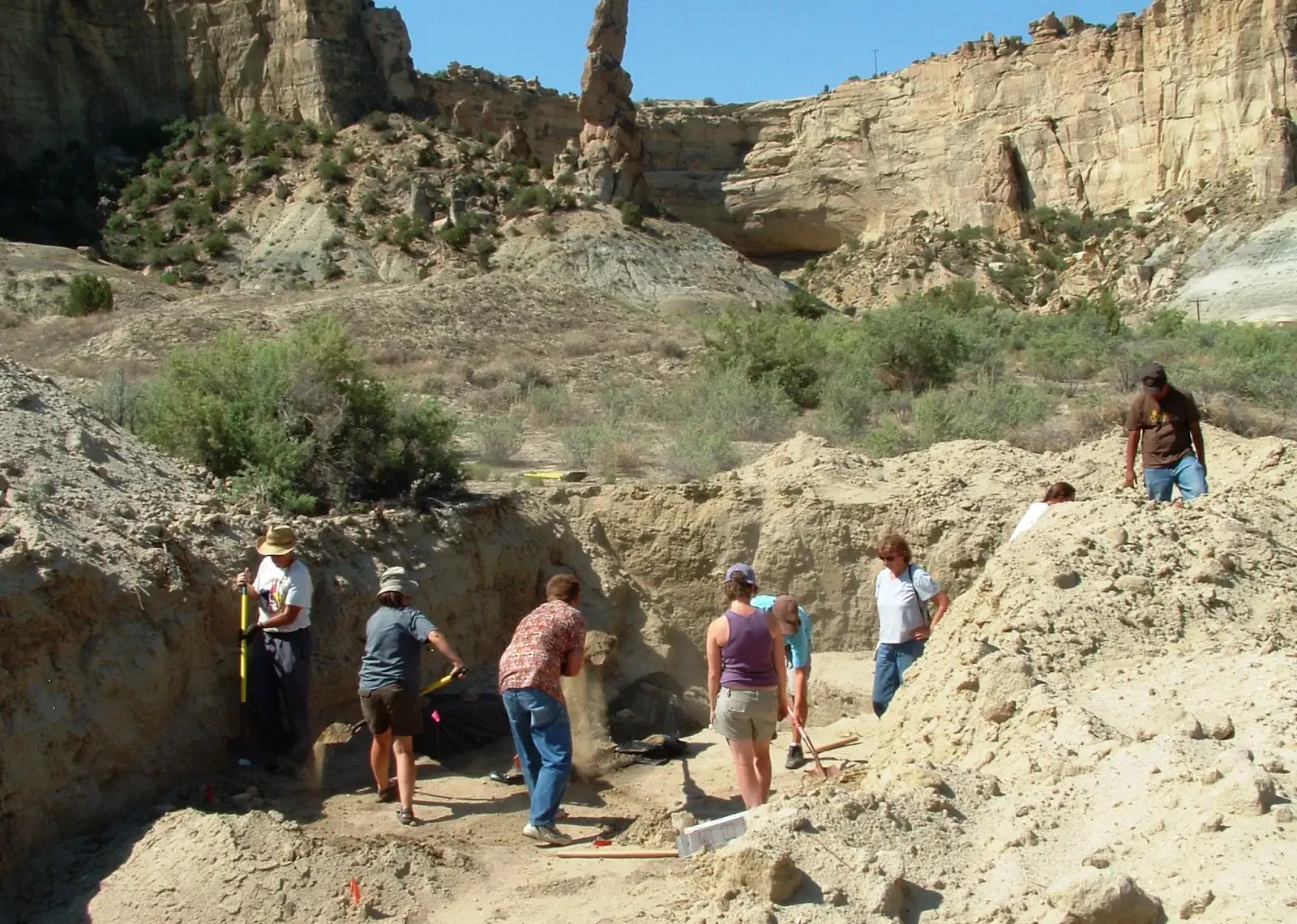
Field-school participants working in an excavation beneath tall New Mexico canyon walls.
A summer in the field with San Juan College.
Archaeology fieldwork

A summer in the field near Farmington.

With a San Juan College field school, I spent a summer surveying and excavating on B-Square Ranch, first at a small homesite and kiva, then at a Great House site.

Read the field note
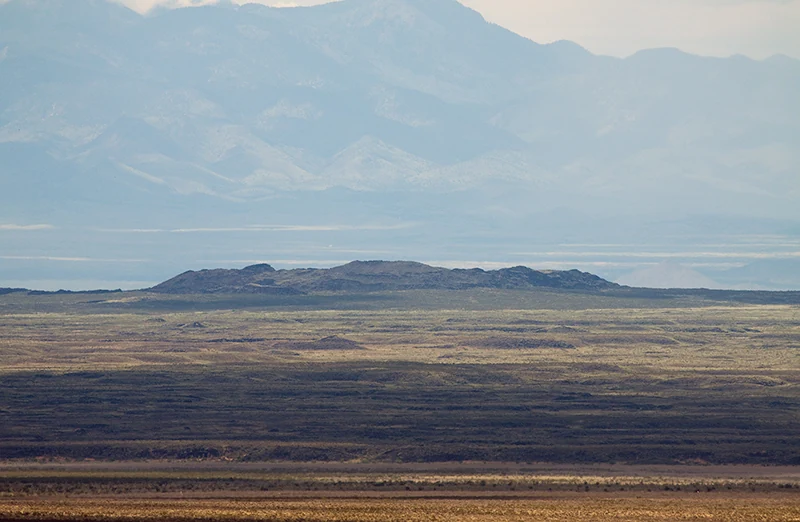
Low dark rim of Jornada del Muerto Volcano across a sunlit New Mexico plain, with mountains beyond
Looking north toward Jornada del Muerto Volcano, August 1, 2010. Photograph by Cory Boehne. Converted to WebP. Original photograph / CC BY-SA 4.0
New Mexico / August 2010

Looking north across Jornada del Muerto.

When I lived in Socorro, I spent a lot of time in the remote country around it. I liked places where the distance to the next person became part of the experience.

The ground around Jornada del Muerto Volcano is so flat that a clear vantage point takes some searching. I found one and made this photograph looking north across the plain on August 1, 2010. It later found another life on Wikimedia Commons.

Family and life in Miami Photography in the riding community

Out in the field.
Back at the workbench.

A field school near Farmington, a museum collection in Socorro, a disputed feature off Miami and a long-running fascination with light.

2 entries
Follow it further

Keep following the questions.

More photographs on the Riding page, and the family stories on Personal.

Compare notes

Worth a
closer look?

I'm always glad to compare notes on photography, minerals, field research or a question that refuses an easy answer.

Compare notes